
Valvular heart disease: Underlying mechanisms and tailored therapies
Meet Bahira Shahim, Research team leader at the Division of Cardiology at the Department of Medicine, Solna.

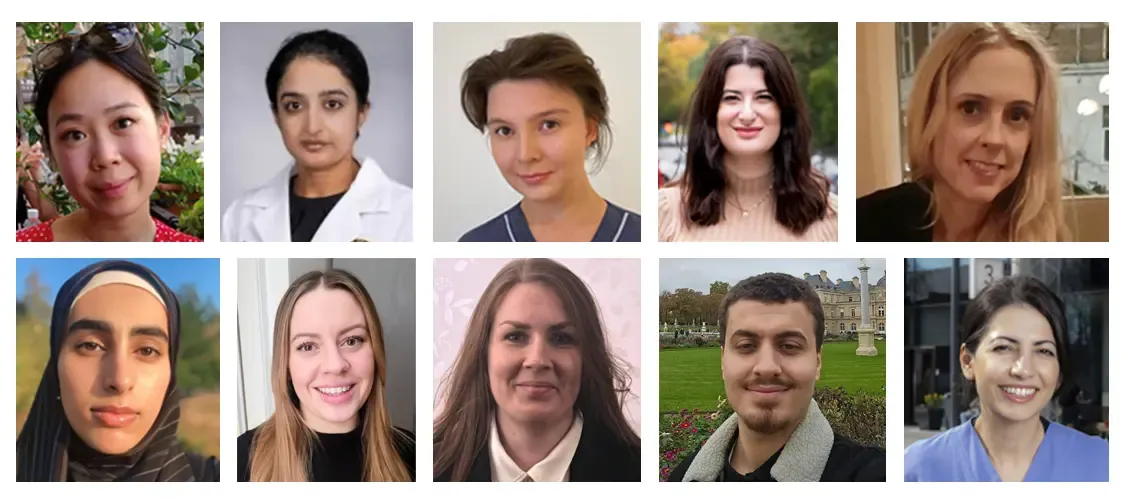
We are a research team based in the Department of Cardiology at Norrbacka and BioClinicum. The group includes four PhD students, two postdoctoral fellows, a statistician, a lab manager, a research nurse, an imaging biomedical scientist, as well as several affiliated junior as well as senior clinical researchers. We are a growing research group – both in terms of size and research activity – and it’s so enjoyable and stimulating to be able to work on what we do.
From risk factors to long-term follow-up
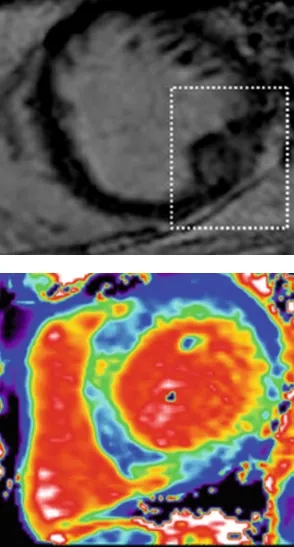
Our focus is valvular heart disease, particularly the mitral valve. Approximately 2–3 percent of the general population has mitral valve prolapse which can lead to leakage of blood over the valve, heart failure, serious arrhythmias, and in some cases sudden cardiac death. Our goal is to understand pathophysiology of the disease, how to identify high risk patients for serious arrhythmias and heart failure, and to tailor follow-up and intervention strategies according to the patient's specific risk profiles.
At Karolinska University Hospital, we have built a cohort called ChangeMR, consisting of approximately 2,000 patients who have undergone mitral valve surgery, with extensive echocardiographic data and long-term follow-up. This allows us to study changes in hemodynamics, cardiac function, and arrhythmias over time after valve surgery. In parallel, we are conducting the prospective MitraVT study, in which around 130 patients who have undergone surgery for mitral regurgitation have so far been screened with cardiac magnetic resonance imaging, heart rhythm monitoring, and blood sampling both before and after surgery. During the surgical procedures, we also collect tissue samples from the valve and myocardium, which are analyzed using deep sequencing techniques.
One hypothesis we are testing is that mitral valve disease not only affects the valve itself but may also drive a “silent” myocardial disease.
The aim: earlier detection and more effective treatments
We are also initiating a multicenter study (MitraVT II) in collaboration with cardiothoracic surgical centers in Sweden and the Nordic countries, where we compare different surgical strategies and their impact on arrhythmia burden and long-term outcomes. In addition, we use data from the population-based Swedish CArdioPulmonary bioImage Study (SCAPIS), where we assess early-stage valvular disease using computed tomography and echocardiography, and study progression rate of valvular disease over time.
Our hope is that our SCAPIS studies will help us to design feasible screening programs to detect valvular disease early and offer intervention before irreversible myocardial damage occurs. We also use the national Swedeheart registry to study factors influencing durability and long-term outcomes after valve interventions.
Teams and collaborations
Our research spans from molecular analyses to advanced cardiac imaging and registry-based studies. We collaborate closely with Hanna Björck’s group at BioClinicum, particularly within the MitraVT study and SCAPIS, and at Karolinska University Hospital with cardiothoracic surgeons Magnus Dalen and Peter Svenarud and imaging experts Marcus Carlsson and Jannike Nickander.
Our team is also part of a larger research environment focused on heart failure, where we discuss study design and research strategies. As a team leader, it is truly inspiring to work in an environment with strong infrastructure, a collaborative culture, and high-level expertise- which enables broad research initiatives.