
Tobias Regnstrand presented at the International Conference on Radiation Protection
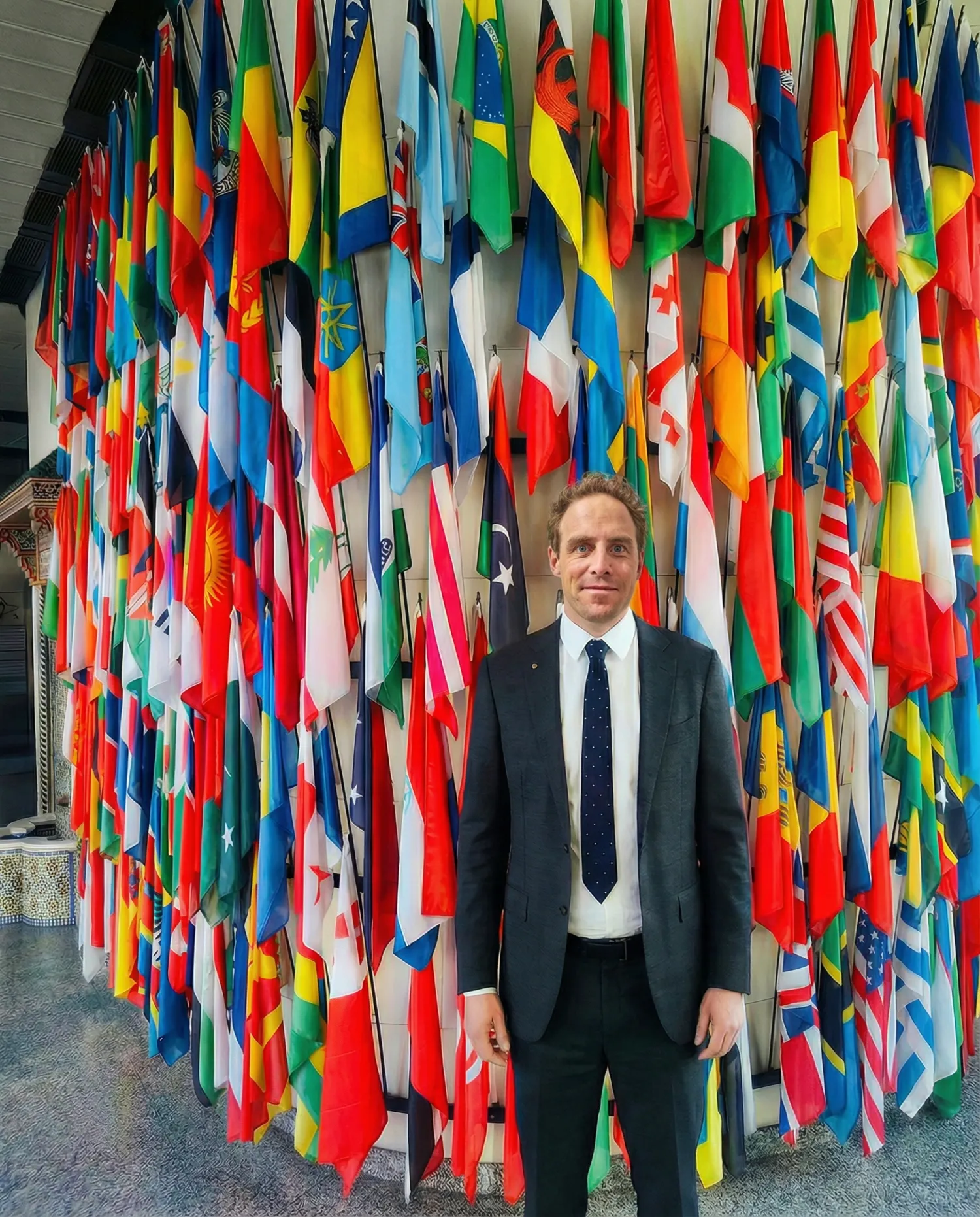
Tobias Regnstrand attended the International Conference on Radiation Protection in Vienna (8th -12th December) to represent Dentomaxillofacial Radiography as the delegate for the International Association of Dento-Maxillofacial Radiology (IADMFR) and the Department of Denta Medicine, KI.
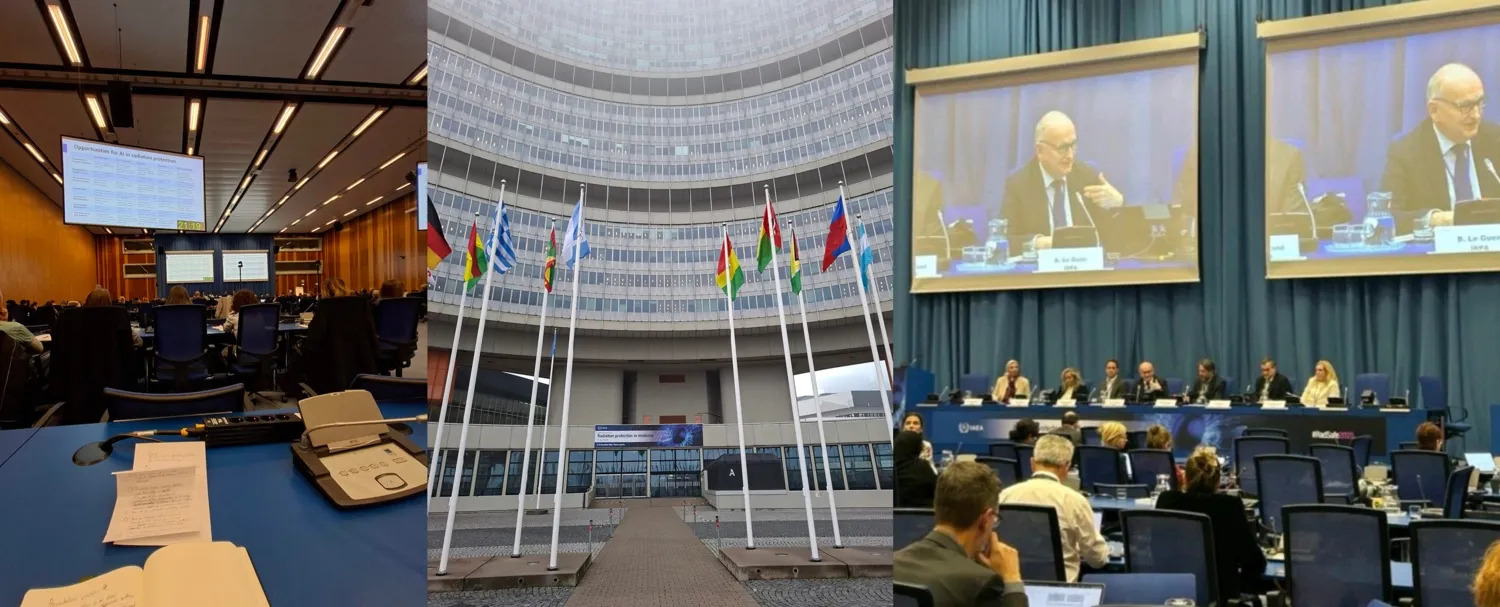
This conference was a held at United Nations Headquarters in Vienna by the International ATOMIC Energy Agency (IAEA) in collaboration with the World Health Organization (WHO) and Pan American Health Organization (PAHO). The conference brought medical professions together to review global developments in radiation protection and identified future challenges and opportunities. The aim of the conference was to discuss future development of Bonn Call for Action. Tobias had one presentation about their work with radiation protection and IADMFRs main priorities in radiation protection for the next decade. Tobias also represented IADMFR in a round table discussion with the topic human resources in radiation protection.
This was a fantastic opportunity to network and broaden his perspectives. Tobias was the only dentist at the congress (of a total of 800 participants). Even though dentistry has lower radiation doses than medicine, there was interest in the work with radiation protection within our field.
For the development of Bonn+ (development of the existing Bonn call for action) the following was in focus:
- Regional mentorships in areas with limited resources in radiation protection and collaborations between developed and undeveloped countries.
- Regulations and the technical developments need to go hand in hand, so the regulations adapt to technical developments continuously.
- More focus on patient centeredness, ethics, communication, and AI integration into the workflow within radiation protection.
A more holistic approach to radiation protection:
- Embed ethics into all aspects of radiation protection as applied in the holistic delivery of care.
- Strengthen communication skills among all professionals to portray a more positive face of radiation and to ensure accurate and timely information is provided.
- Ensure reliable use of AI for safe implementation in radiation protection.