

New study: Nicotine pouches are not a gentler alternative for the oral mucous membrane
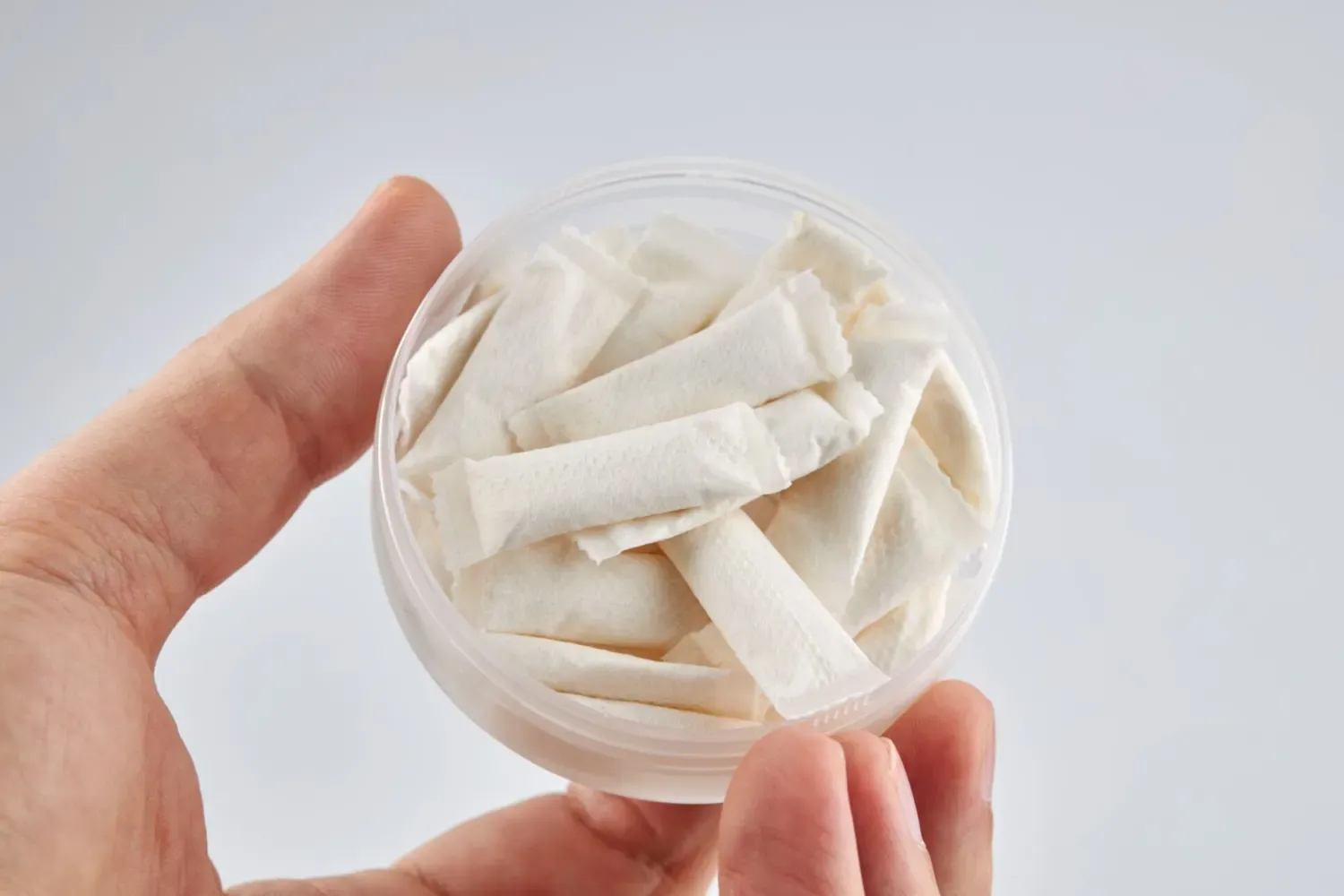
Karolinska Institutet, in collaboration with Folktandvården Stockholm, has shown in the first clinical comparative study of its kind that reactions in the mouth differ between tobacco-free nicotine pouches (also known as nicotine pouches) and traditional tobacco-based snus. Reactions associated with the use of traditional snus increased noticeably with higher consumption. No clear correlation of this kind was observed with the use of nicotine pouches.
– Nicotine pouches cause reactions in the oral mucosa that are harder to predict than with traditional snus. How severe these reactions become also varies more from person to person, says Karin Garming Legert, Associate Professor and senior consultant at the Department of Dental Medicine.

Previously, there have been no clinical studies showing whether and how nicotine pouches affect the oral mucosa. In a research study, Karolinska Institutet, in collaboration with the Folktandvården Stockholm, compared people who use nicotine pouches with people who use traditional snus and people who do not use snus at all. The study included 272 people aged 18–30 living in different socioeconomic areas.
Nicotine pouches and traditional snus cause different reactions
The results show that both nicotine pouches and traditional snus can cause reactions in the oral mucosa at the site where the snus is placed, known as a snus lesion, but that these reactions may appear differently.
Among users of traditional snus, thickening of the oral mucosa, known as hyperkeratosis, was more commonly observed, which is fully in line with previous studies. In contrast, people who used nicotine pouches more often showed redness and other more inflammatory reactions. Although more people in the traditional snus group exhibited a snus lesion, the reaction in several of those using nicotine pouches was more aggressive, with redness and sores.
– The study shows that nicotine pouches cannot be regarded as a gentle alternative for the oral mucosa. The inflammatory reactions we see with nicotine pouches need to be taken seriously, says Karin Garming Legert.
Different types of damage from nicotine pouches compared with traditional snus
The study also shows a clear difference in how reactions in the oral mucosa develop with the use of traditional snus and nicotine pouches respectively.
With the use of both traditional snus and nicotine pouches, a clear link was observed between increased use and more pronounced thickening of the oral mucosa. However, for nicotine pouches, no clear association was seen between the red, inflammatory changes and how many nicotine pouches were used or how long the person had used snus. Instead, users of nicotine pouches showed greater individual variation in how the oral mucosa was affected.
– With nicotine pouches, we see more varied reactions in the oral mucosa. In some people, reactions occur relatively early, while others are not affected at all. Unpublished results also show that healing in some cases tends to take a long time. This makes it more difficult for us to predict how you as an individual may be affected, says Karin Garming Legert.
Mint flavour may increase the risk of reactions
The study also showed that nicotine pouches with mint flavour caused more pronounced reactions in the oral mucosa. However, this association did not reach statistical significance and should therefore be interpreted with caution.
More research is needed to gain a deeper understanding of how the contents of nicotine pouches and different flavourings affect the oral mucosa. This study helps dental and healthcare services provide appropriate advice to patients about the effects of snus products. It also gives us insights into the direction future research should take.
Summary of the results:
- All snus products can cause harm.
- 79% of those who used nicotine pouches had reactions in the oral mucosa, compared with 89% of those who used traditional snus.
- The reactions in the oral mucosa differed between the types of snus: with nicotine pouch use, more people developed sores and inflammation in the mouth, as well as thickening of the oral mucosa. With traditional snus use, the oral mucosa thickened.
- With traditional snus use, changes in the oral mucosa increased the more snus was used. No such clear association was observed with nicotine pouch use.
- The cases of sores in the oral mucosa that were identified were seen only in those who used nicotine pouches.
- No increased risk of tooth decay or periodontitis could be observed during up to six years of use, either among those using nicotine pouches or traditional snus.
Study details:
- The study is a clinical cross-sectional study conducted between 2023 and 2025
- A total of 272 people aged 18–30 took part
- The study was reported in accordance with the STROBE guidelines
- The oral mucosa was clinically assessed according to two standardised grading systems developed specifically for the study
Research team:
Lead researcher: Karin Garming Legert, Associate Professor and Senior Consultant, Karolinska Institutet
Research dentist: Masoumeh Daneshian, dentist, Public Dental Service Stockholm
Project lead, Public Dental Service: Lars Fredriksson, PhD and Senior Consultant, Public Dental Service Stockholm
Head of Research, Public Dental Service: Pia Skott, PhD, Senior Consultant, Head of Research, Development, Education and Innovation, Public Dental Service Stockholm