
Single dose of psilocybin provided rapid relief from depression in new study

A single dose of the psychedelic substance psilocybin can provide rapid relief from depressive symptoms – within just a few days. This is shown by the first randomised, double-blind study in Sweden of psilocybin for depression. The effect persisted for over three months, according to researchers at Karolinska Institutet.
Depression is a public health problem that causes great suffering. SSRI drugs are the most common treatment, but many patients do not benefit from them. Their effect can also take several weeks to kick in and side effects are common.
Psilocybin, found in so-called magic mushrooms, has shown antidepressant effects in previous studies. However, most studies have focused on cancer-related or treatment-resistant depression. In the current phase 2 study, published in JAMA Network Open, the researchers investigated whether psilocybin can also alleviate common depression.
A total of 35 people aged 20 to 65 with moderate to severe recurrent depression took part. Participants were randomly assigned to receive either a single dose of 25 mg of psilocybin or an active placebo in the form of niacin, a vitamin that causes a noticeable physical reaction.
Focused inwardly on dosing day
Both groups received psychotherapeutic support on five occasions: before, during and after treatment. On the day of dosing, participants were asked to lie down and focus inwardly whilst wearing an eye mask and listening to music via headphones.
The effect of the treatment was measured using the MADRS (Montgomery–Åsberg Depression Rating Scale). The measurements were taken by doctors who were blinded to the treatment on days 8, 15, 42 and 365 following dosing.
To be included in the study, participants were required to have a total score of at least 22 points. The primary outcome of the study was the change in depressive symptoms eight days after treatment. At this point, the MADRS score had decreased by an average of 9.7 points in the psilocybin group, compared with 2.4 points in the placebo group. This represents a group difference of 7.3 points in favor of psilocybin. The difference was statistically significant and is considered clinically meaningful. The effect persisted even after 15 and 42 days.
Participants also completed a self-report version of the MADRS. Their own assessments showed an antidepressant effect as early as day two, which persisted for just over three months compared to the placebo group.
After six weeks, 53 per cent of participants in the psilocybin group were in remission, compared with six per cent in the placebo group. After one year, the same proportion of the psilocybin group remained in remission, but by then no confirmed difference between the groups was observed, as many of those who had received the placebo had also recovered.

”Our results suggest that psilocybin can provide rapid, clinically meaningful improvement in depression and may serve as an alternative to standard treatment when fast symptom reduction is important.”, says the study’s lead author Hampus Yngwe, consultant psychiatrist and PhD student at the Department of Clinical Neuroscience, Karolinska Institutet. He continues:
”However, the long-term effects are uncertain. Repeated treatments may be needed to prevent relapse. This needs to be investigated in larger studies.”
The treatment was generally well tolerated. Most side effects were mild or moderate and transient. However, two participants who received psilocybin reported severe and persistent anxiety that required medical attention.
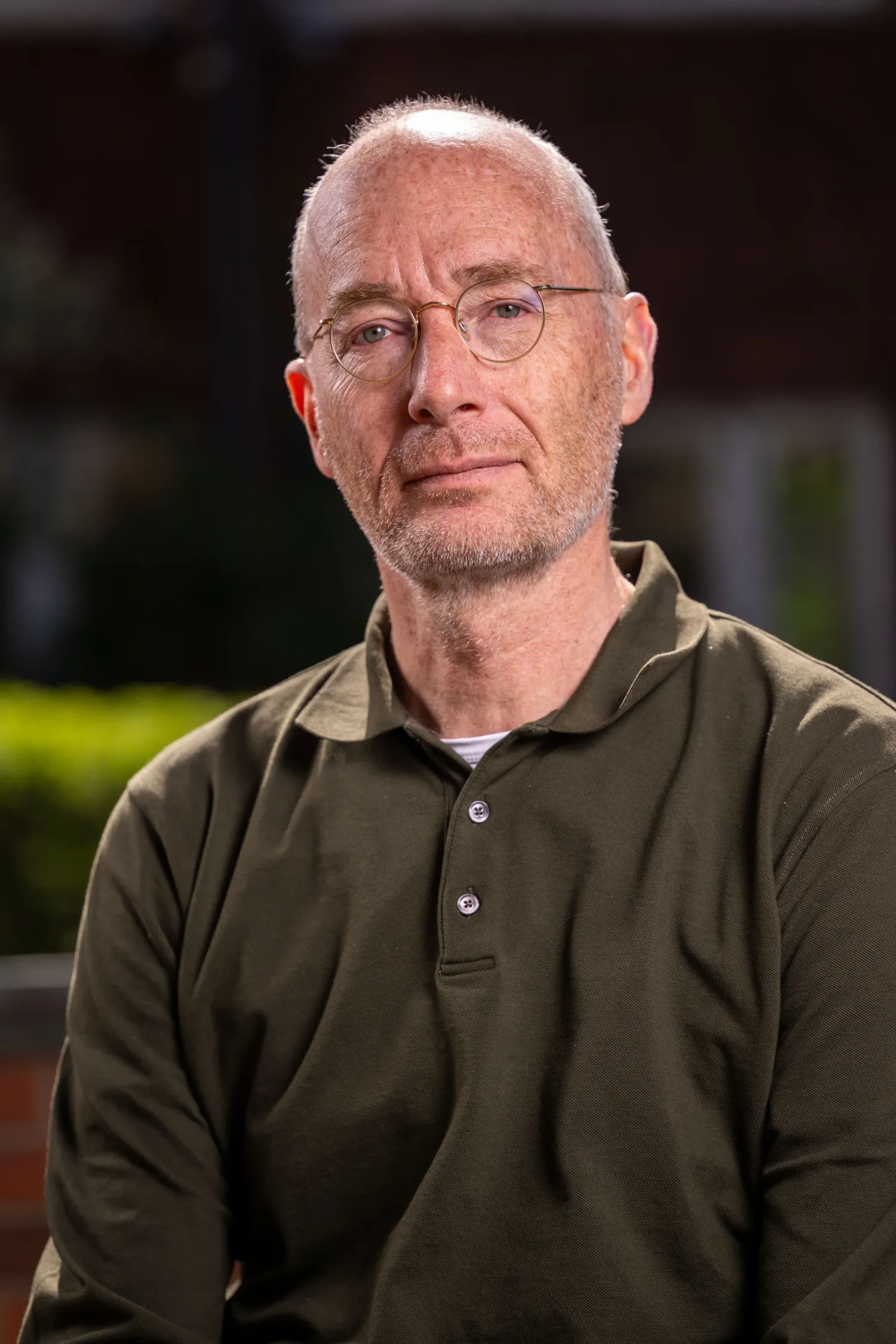
“It is important to emphasise that the treatment is not risk-free and that some patients may need extra support,” says Johan Lundberg, professor at the Department of Clinical Neuroscience and the Centre for Psychiatry Research, Karolinska Institutet, who led the study.
Research into psychedelic treatments faces methodological challenges because the substances produce strong and easily recognisable experiences. If participants and researchers can tell whether psilocybin or placebo was given, it becomes harder to separate the effect of the treatment from that of expectations. In the current study, almost all participants were able to guess which treatment they had received, which may have influenced the outcomes, the researchers suggest.
“We want to understand how factors such as treatment expectations and lack of blinding affect the results, as previous studies may have exaggerated the treatment effects,” says Hampus Yngwe.
Stimulates synaptic growth
The next step in the research is to analyse data from the PET scans, as well as blood and cerebrospinal fluid samples collected before and after dosing.
”Research suggests that the interaction between parts of the brain is impaired in depression and that this may be linked to changes in the connections between nerve cells, known as synapses. In preclinical studies, psychedelics have been shown to stimulate synaptic growth. We therefore want to investigate whether psilocybin alters synaptic density in the brain”, concludes Hampus Yngwe.
The study was conducted in collaboration between Karolinska Institutet and the Brain Stimulation Clinic within Northern Stockholm Psychiatry, Stockholm Region. The research was funded by Norrsken Mind and the Swedish Research Council. Johan Lundberg declares a personal honorarium from Janssen-Cilag.
Publication
”Acute and Late Effects of Psilocybin on Symptoms in Major Depression: a randomized clinical trial”, Hampus Yngwe, Pontus Plavén-Sigray, Carl Johan Ekman, Eva Henje, Anders Berglund, Mikael Tiger, Maria Beckman, Johan Lundberg, JAMA Network Open, online May 15, 2026, doi: 10.1001/jamanetworkopen.2026.12589.
Facts about the MADRS
The MADRS (Montgomery–Åsberg Depression Rating Scale) is used to assess the severity of depressive symptoms. The scale ranges from 0 to 60 points, with higher scores indicating more severe depression:
- 0–12 points: no depression or very mild depression
- 13–19 points: mild depression
- 20–34 points: moderate depression
- 35–60 points: severe depression