
Lectures and seminars Opponent Seminar: "Exploring human DNA replication with the auxin-inducible degron technology"
We are pleased to welcome Professor Masato Kanemaki, PhD, National Institute of Genetics and University of Tokyo, Japan, for an opponent seminar at KI/SciLifeLab.
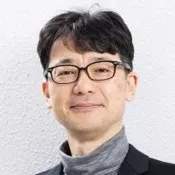
Dr. Kanemaki earned his Ph.D. from Chiba University (2001) and conducted postdoctoral research at Cancer Research UK Manchester, where he used ts-degron technology to probe essential genes in budding yeast. He later developed the auxin-inducible degron system for animal cells at Osaka University (2006) before joining the National Institute of Genetics as associate professor (2010) and full professor (2016). Since 2022, he holds a professorship at the University of Tokyo while maintaining his laboratory at the National Institute of Genetics, where his group applies degron technology to study chromosome replication and other areas of cell biology.
Genetic perturbation is a powerful approach for defining protein function in living cells. For essential proteins, conditional perturbation is particularly valuable because it enables precise, rapid protein depletion while preserving cell viability. Dr. Kanemaki’s group pioneered auxin-inducible degron (AID) technology, enabling the targeted degradation of degron-tagged proteins upon auxin addition. Its next-generation system, AID2, combines chemical biology with CRISPR-based genome editing to generate conditional mutants in mammalian cells and mice.
In this seminar, Dr. Kanemaki will show how AID2 can reveal mechanisms of human DNA replication and genome maintenance—processes central to cell proliferation, genome instability, and cancer. In contrast to the sequence-defined replication origins of yeast, replication initiation in human cells occurs stochastically within initiation zones, often near active, open chromatin. How these zones are established and regulated has remained unclear. He will present a new method to detect initiation zones and discuss the key mechanisms that define and control them in human cells.
Host
Bennie Lemmens, Department of Medical Biochemistry and Biophysics, KI