

Lectures and seminars Frontiers in Neural Circuits seminar series: with Summer Thyme
Title: "Using Zebrafish to Study Neurodevelopmental Disorders and Discover Treatments". September 17 at 15:15 in room Ragnar Granit, Biomedicum.
Welcome all members of Karolinska Institutet, as well as researchers and trainees from KTH Royal Institute of Technology, Stockholm University, and other universities in the Stockholm region. We warmly encourage students, postdocs, and faculty to attend and engage with our distinguished guest.
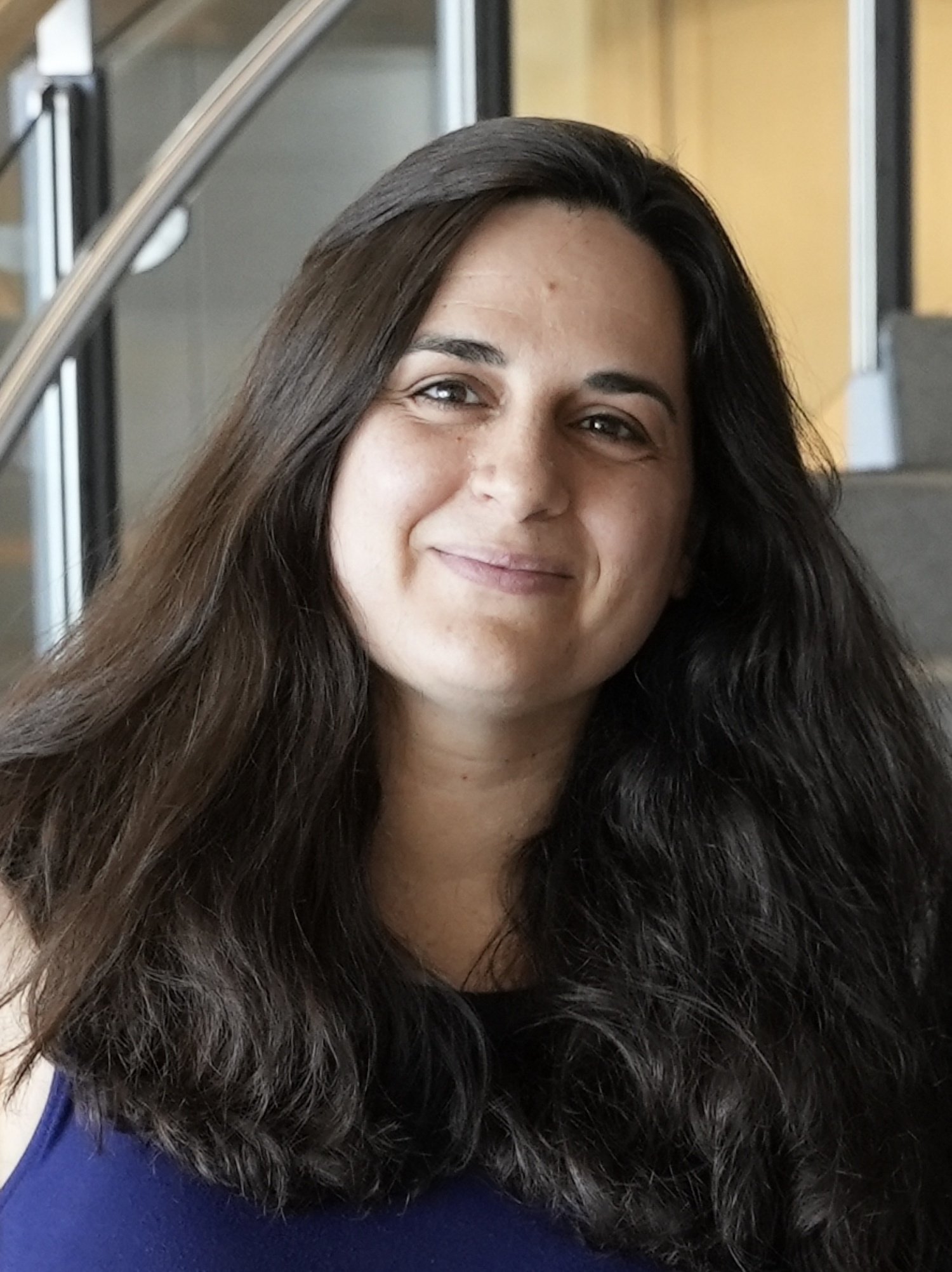
Speaker:
Summer Thyme, Associate Professor of Biochemistry & Molecular Biotechnology, UMass Chan Medical School, USA
Time: 17 September, 15:15–16:15
Location: Room Ragnar Granit, Biomedicum (level 3), Solnavägen 9, Solna
Title: Using Zebrafish to Study Neurodevelopmental Disorders and Discover Treatments
Abstract:
Currently, there are no effective pharmacological treatments for most genetic neurodevelopmental disorders. Drug development for these conditions is particularly challenging: cell-based screens cannot capture the full complexity of the nervous system, and our limited understanding of the relevant proteins, cell types, and neural circuits hampers targeted strategies. Our lab uses zebrafish, as this model uniquely combines vertebrate brain complexity with the capacity for high-throughput analysis and conservation of pathways and genes. We are working on two complementary fronts: using genetic mutants to understand disease biology and developing pipelines for drug discovery. We use broad behavioral and brain activity screens coupled with transcriptomic profiling to identify candidate mechanisms, followed by in-depth mechanistic validation. We have identified zebrafish carrying mutations in orthologs of autism-risk genes that exhibit behavioral deficits in relevant domains, including working memory and social interaction, as well as alterations in neuromodulatory systems such as oxytocin and dopamine. More recently, studies of schizophrenia-risk genes have identified sterol pathway dysregulation as a convergent molecular phenotype across distinct genetic models, suggesting a potential shared mechanism and therapeutic target. To complement this mutant work, our lab has recently established a new pipeline for computational drug discovery, using zebrafish to test the in vivo activity and specificity of predicted compounds. Through rational drug design as well as unbiased compound screens, we aim to identify compounds that can mitigate disease-relevant phenotypes.
Recent papers:
Zebrafish screen of schizophrenia risk genes reveals convergent dysregulation of cholesterol metabolism.
Moyer AJ, Capps MES, Conklin CL, Bastien BL, Martina V, Gannaway WC, Cummings CE, Martinez JA, Chen M, Kioschos G, Torija-Olson EG, Klein MC, Vivian MD, Calhoun CCS, Thyme SB
bioRxiv 2026 Feb;():
Disrupted diencephalon development and neuropeptidergic pathways in zebrafish with autism-risk mutations.
Capps MES, Moyer AJ, Conklin CL, Martina V, Torija-Olson EG, Klein MC, Gannaway WC, Calhoun CCS, Vivian MD, Thyme SB
Proc Natl Acad Sci U S A 2025 Jun;122(23):e2402557122
Prioritizing neuroactive ligands using motif-guided virtual discovery and zebrafish profiling.
Ginsparg AB, Martinez JA, Patel I, Buton A, Lee LT, Sarwar R, Moretti R, Puig S, Thyme SB
NPJ Drug Discov 2026 Jul;3(1):
Disrupted development of sensory systems and the cerebellum in a zebrafish ebf3a mutant.
Dang NDP, Barcus AK, Conklin CL, Truong TQ, Vivian MD, Wang J, Thomas HR, Parant JM, Yeo NC, Thyme SB
G3 (Bethesda) 2025 Jul;15(7):
Refreshments
Sandwiches and coffee will be provided.
Registration
No registration is needed.