
ARC at 25 – a legacy of knowledge and influence
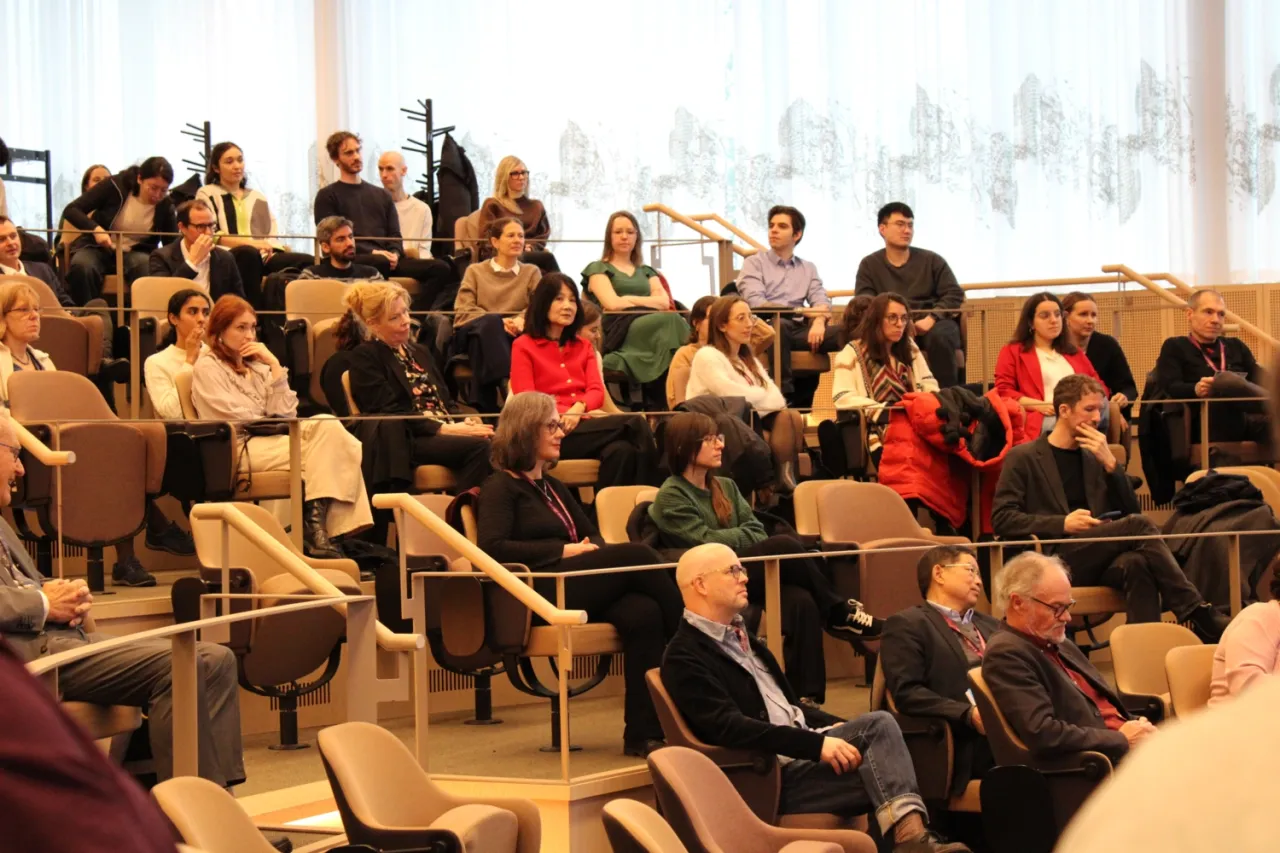
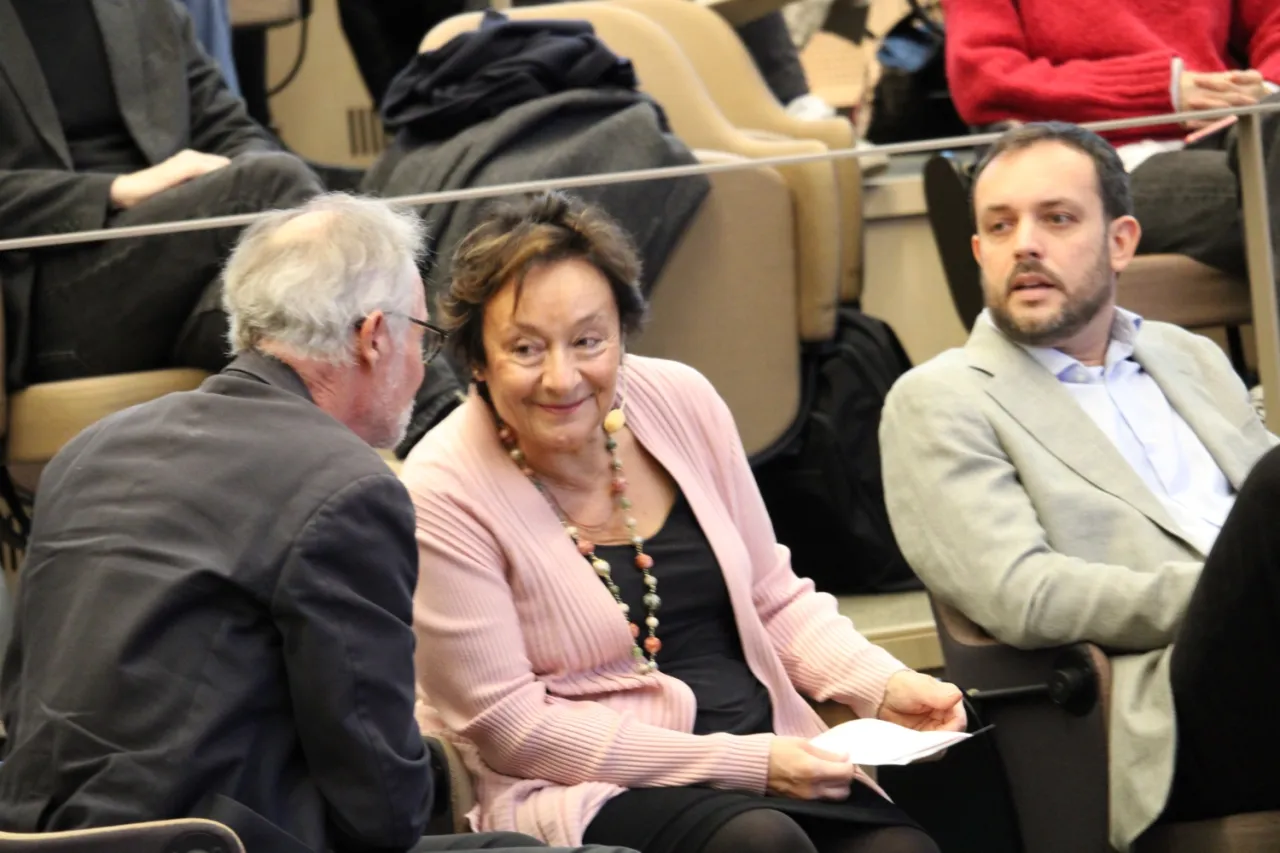
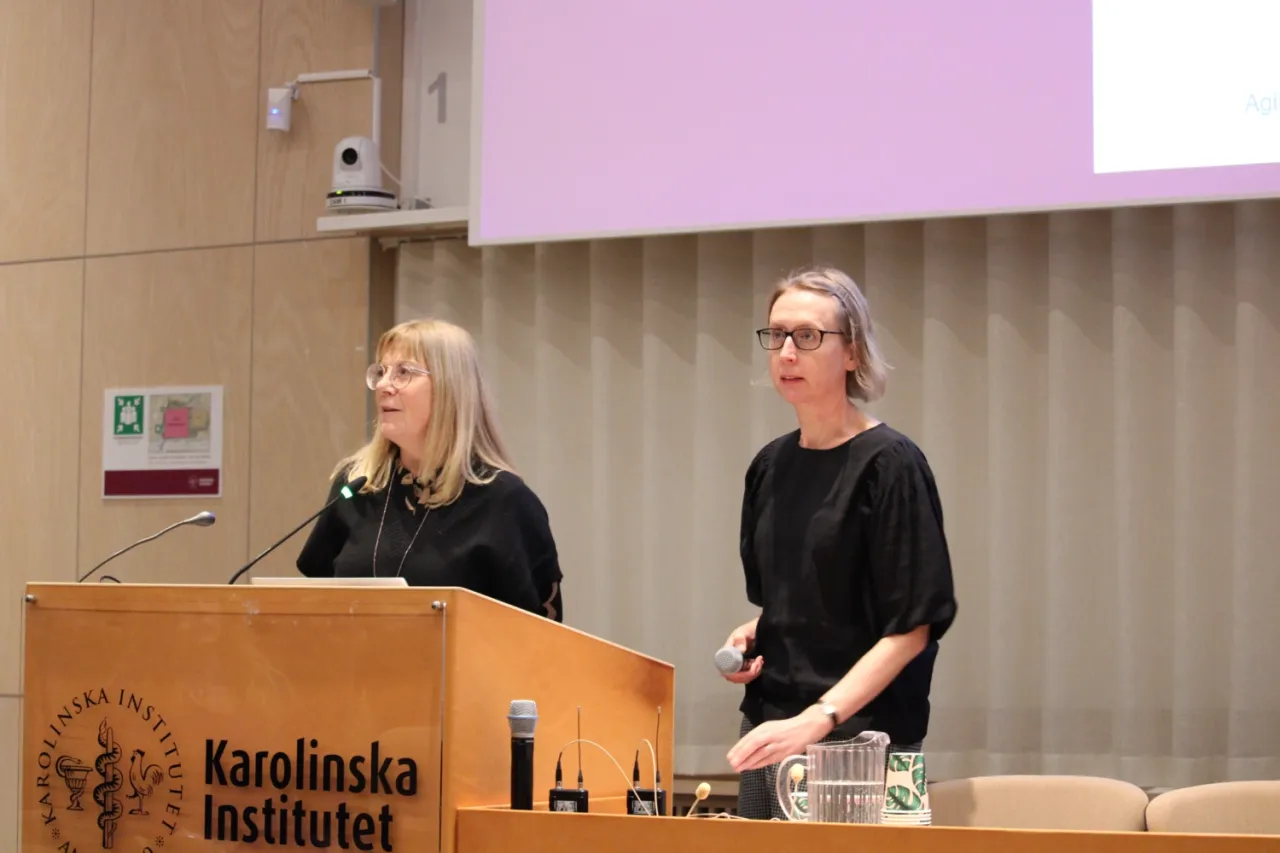
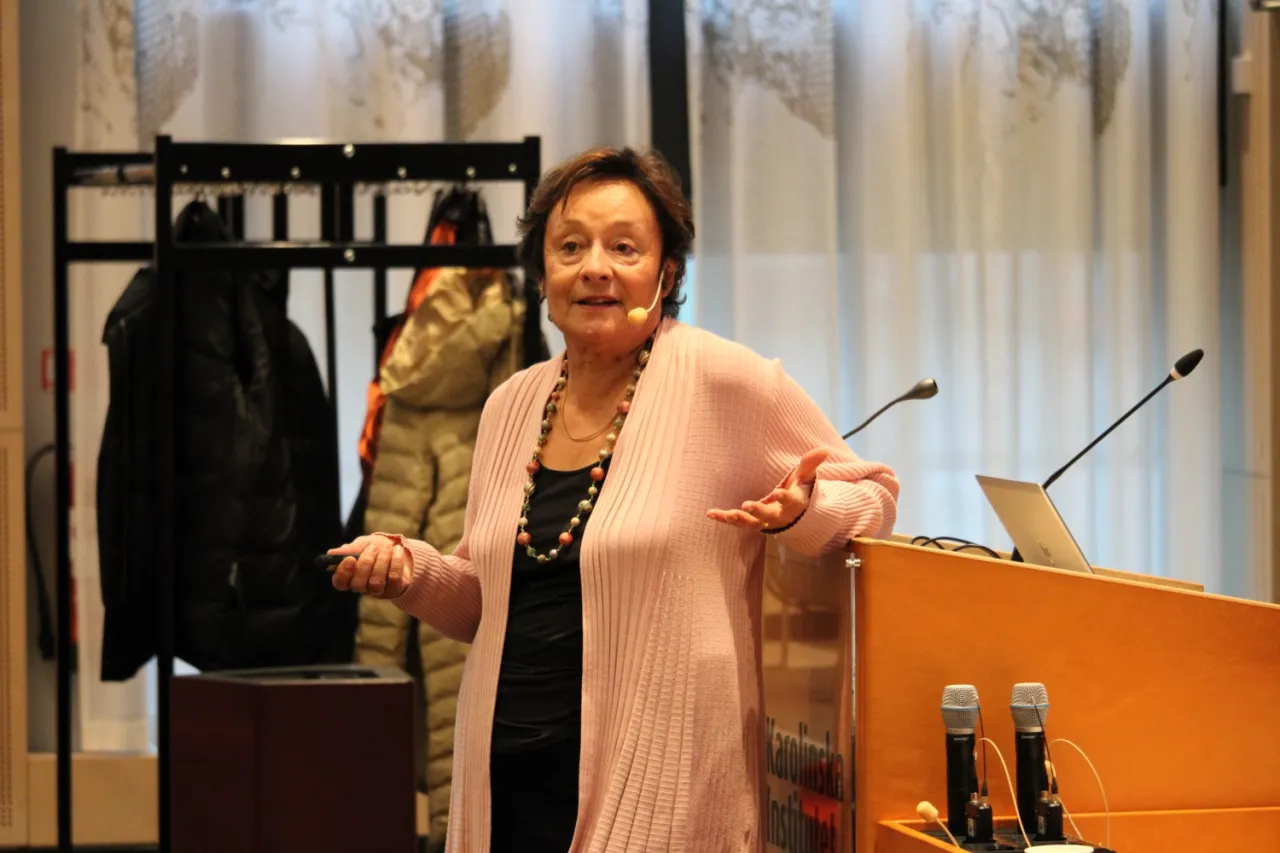
The Aging Research Center (ARC) celebrated its 25th anniversary on 1 December 2025, with an afternoon filled with reflections, presentations and heartfelt reunions. The event highlighted how ARC has grown from a bold idea shared by four founders to become one of Sweden’s most significant research centres focusing on ageing and the health and living conditions of older people.
Since 2000, ARC has brought together social and medical sciences in an interdisciplinary research environment under one roof. The research centre has trained more than 100 PhD students, produced over 2,200 scientific articles and formed the basis for major, long-term population studies such as SNAC and SWEOLD.
Research with real societal benefit
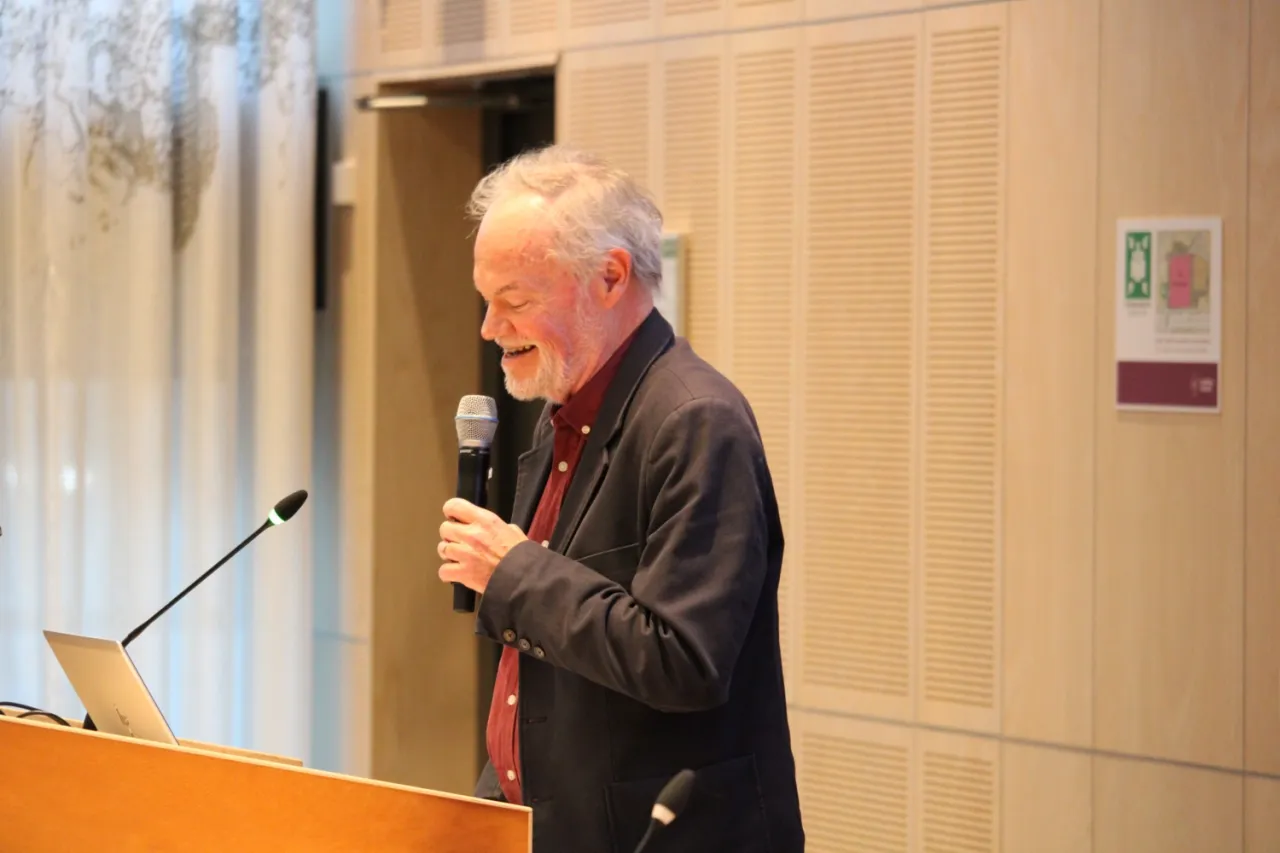
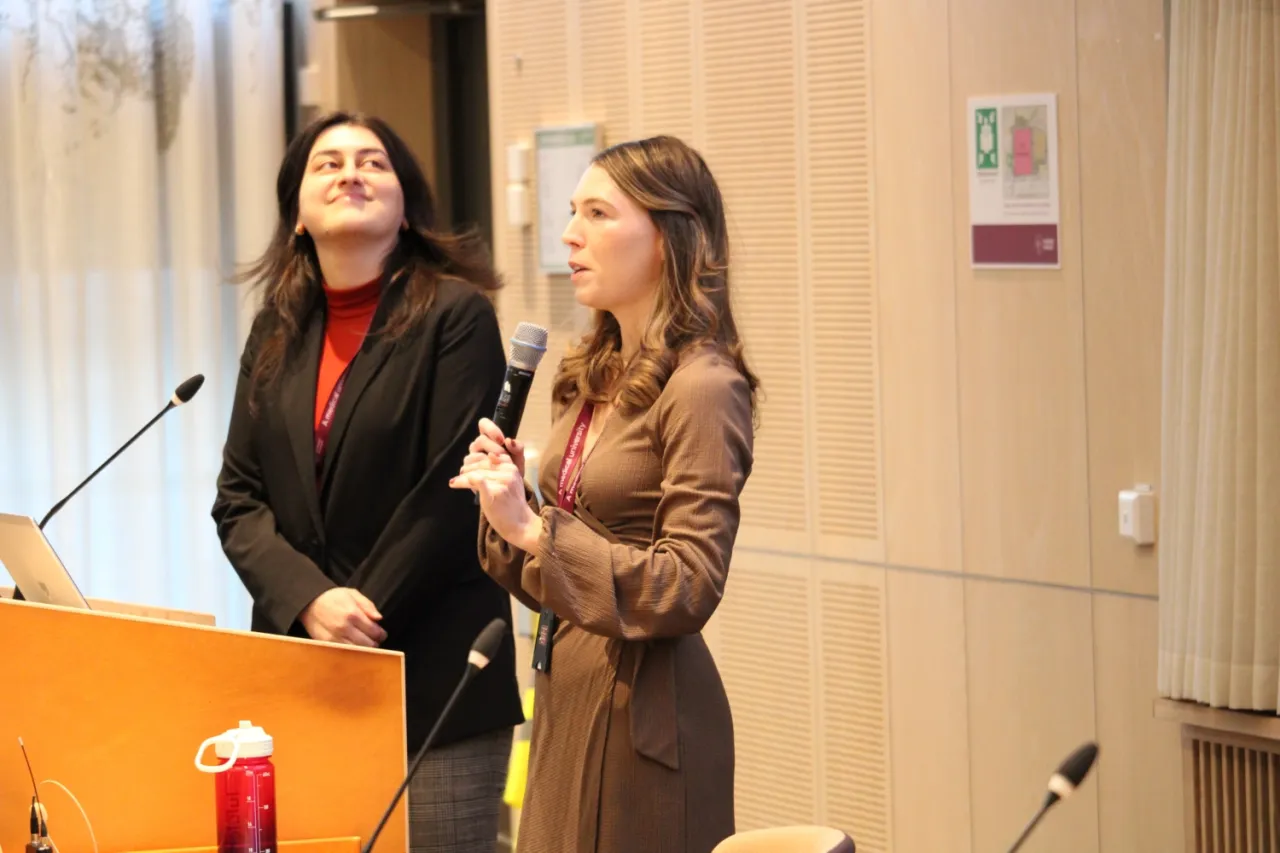
At this anniversary event, several speakers emphasised that ARC’s strength lies not only in its research, but also in its staff. Junior researchers described ARC as an international, supportive and collaborative environment, where curiosity thrives and careers take shape.
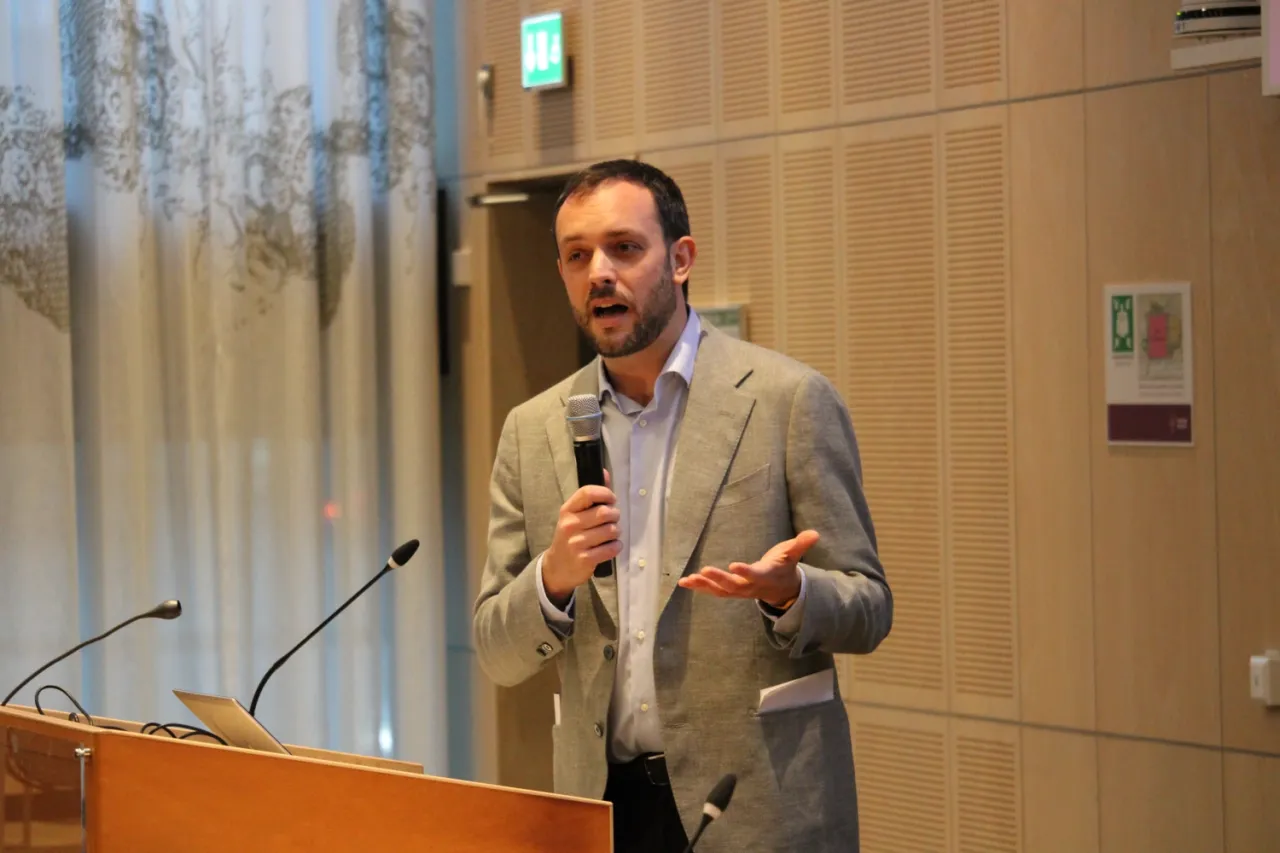
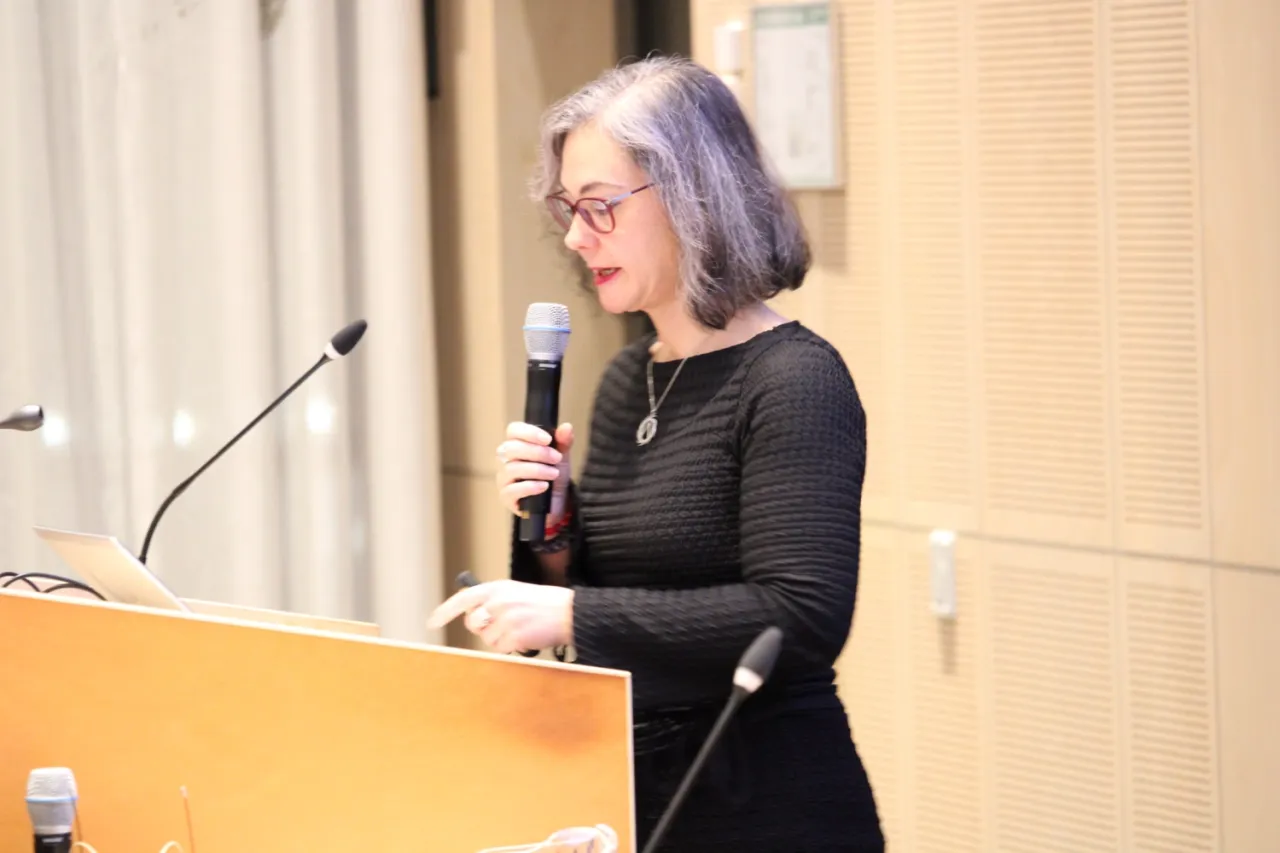
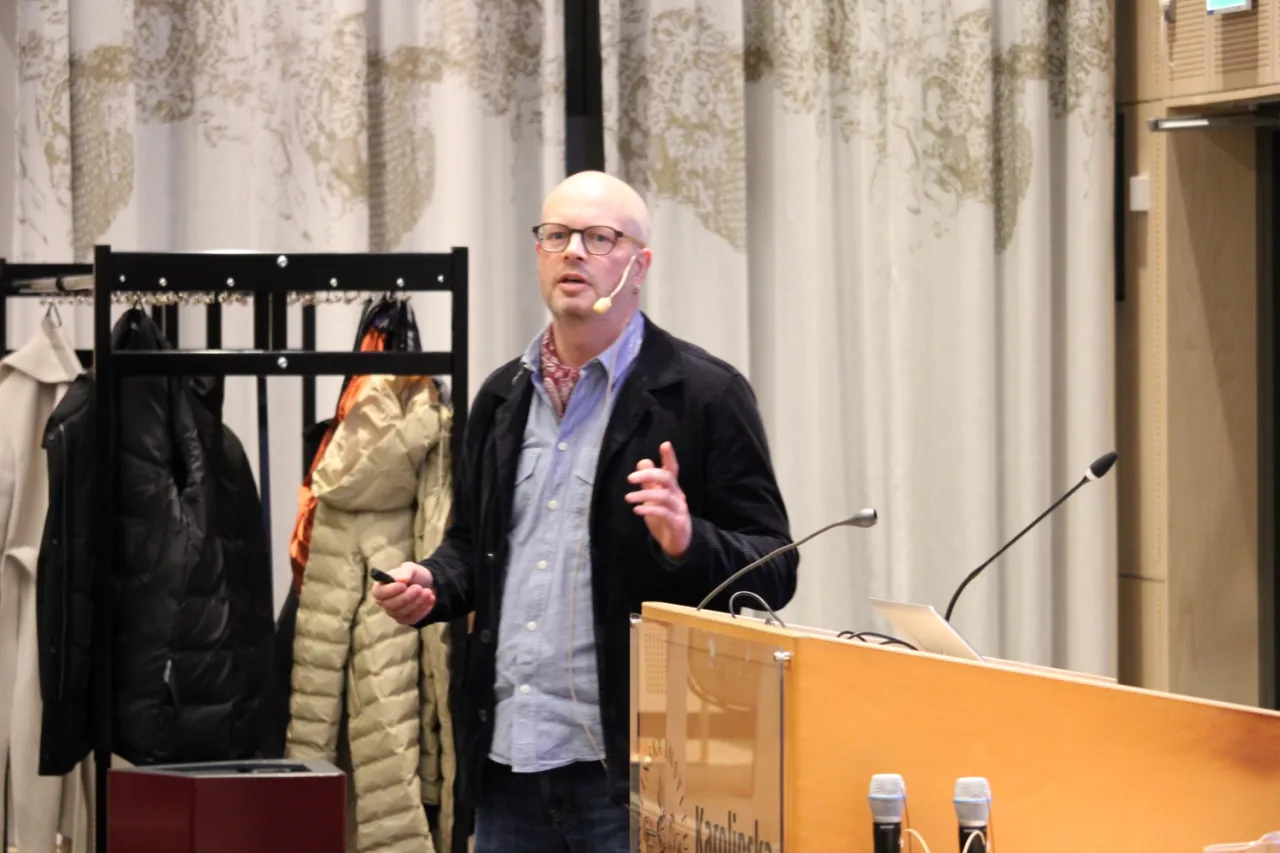
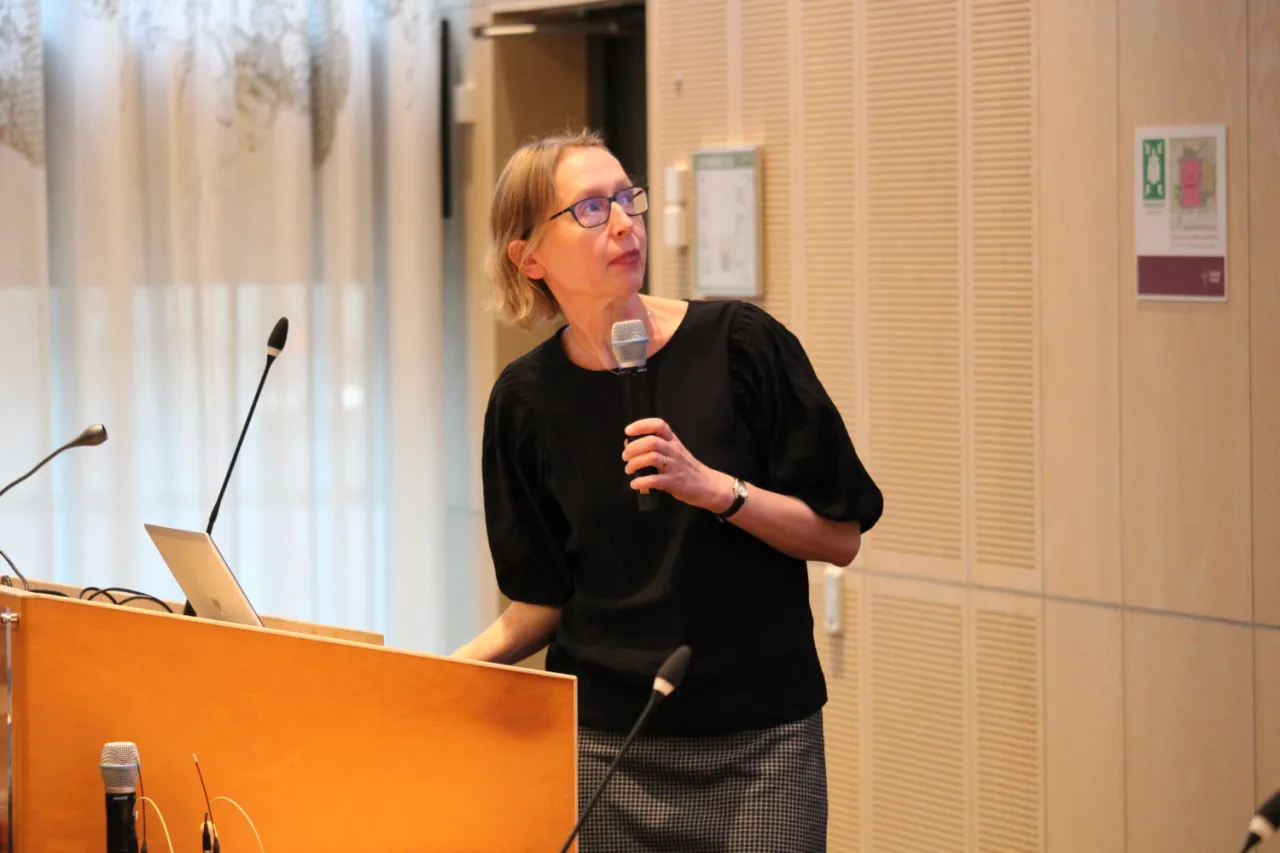
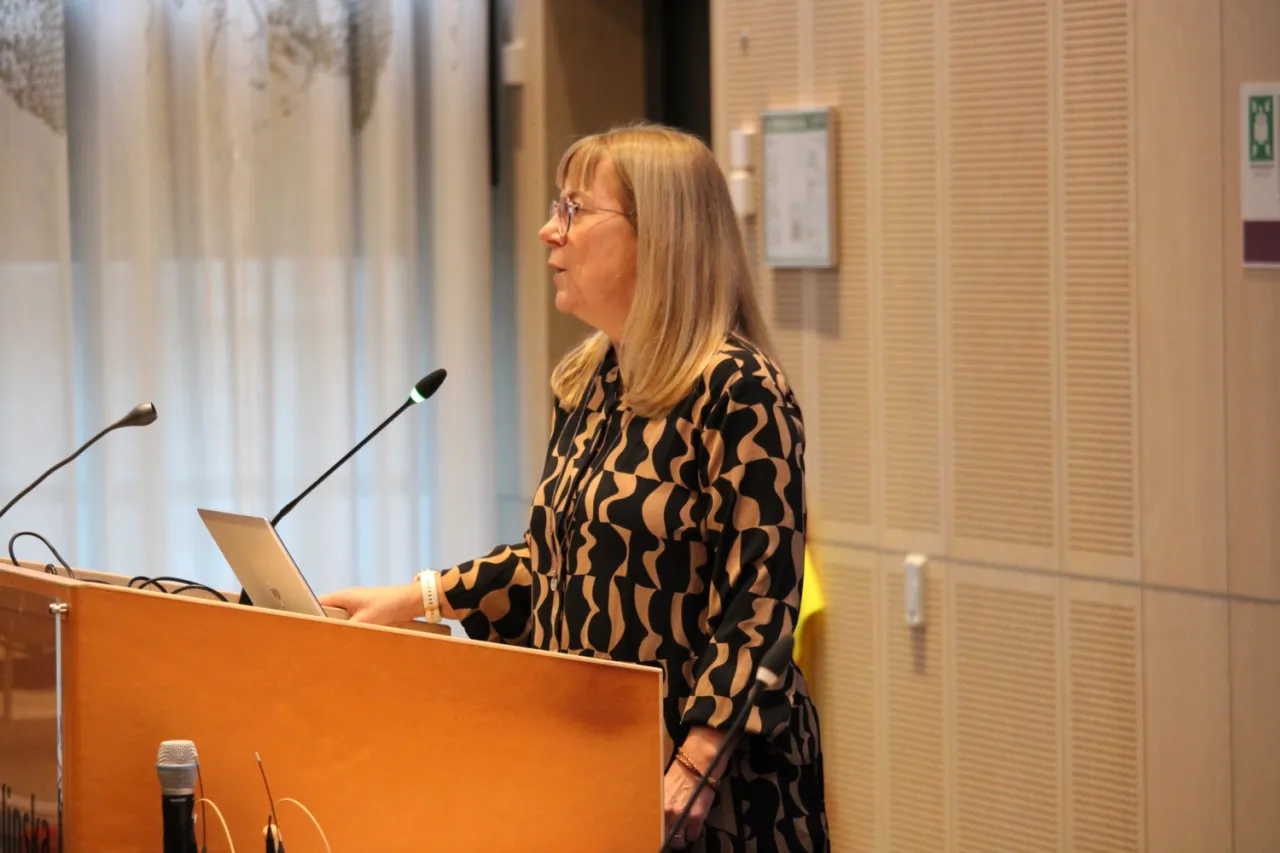
During the afternoon presentations, examples of ARC’s research contributions were highlighted. Among other things, the following were highlighted:
- new ways of identifying and preventing dementia
- how various social and medical factors influence ageing
- how knowledge of brain ageing can be deepened using advanced imaging technology
- the picture of health inequalities among older people and their causes
- multimorbidity and the development of practical assessment tools for clinical practice
ARC’s research not only contributes to increased knowledge across a range of fields but is also significant for clinical practice within both healthcare and elderly care, as well as for social policy and political decision-making. All with the aim of promoting healthy ageing, good health and living conditions among the elderly population.
Looking ahead
ARC’s activities continue to evolve with new research areas being added to the portfolio. Among the ongoing and newer initiatives are the National E-infrastructure for Aging Research (NEAR) and KI's Transdisciplinary Research Center for Personalized Dementia Prevention & Care (TraCeDem).
Today, research into ageing and the health and living conditions of older people is more important than ever. With a growing older population and increasing environmental and societal challenges, the need for strong, interdisciplinary research environments is also growing.
As the celebrations ended, the message was clear: ARC’s first 25 years have been of great significance for our understanding of ageing and health in old age. With dedicated researchers, broadened focus areas and strong national and international collaborations, ARC is well equipped for the coming decades.
A unique centre built on collaboration
ARC began as a visionary collaboration between Karolinska Institutet (KI) and Stockholm University, initiated by four pioneering researchers: Bengt Winblad, Laura Fratiglioni, Lars Bäckman and Mats Thorslund. Right from the start, ARC was something quite special: a physical interdisciplinary research centre that brought together researchers with backgrounds in medicine, psychology and social gerontology.
Even today, ARC remains one of the few environments in Sweden where experts from such diverse fields work side by side, an approach that has proven crucial to understanding something as complex as ageing and the health and living conditions of older people.
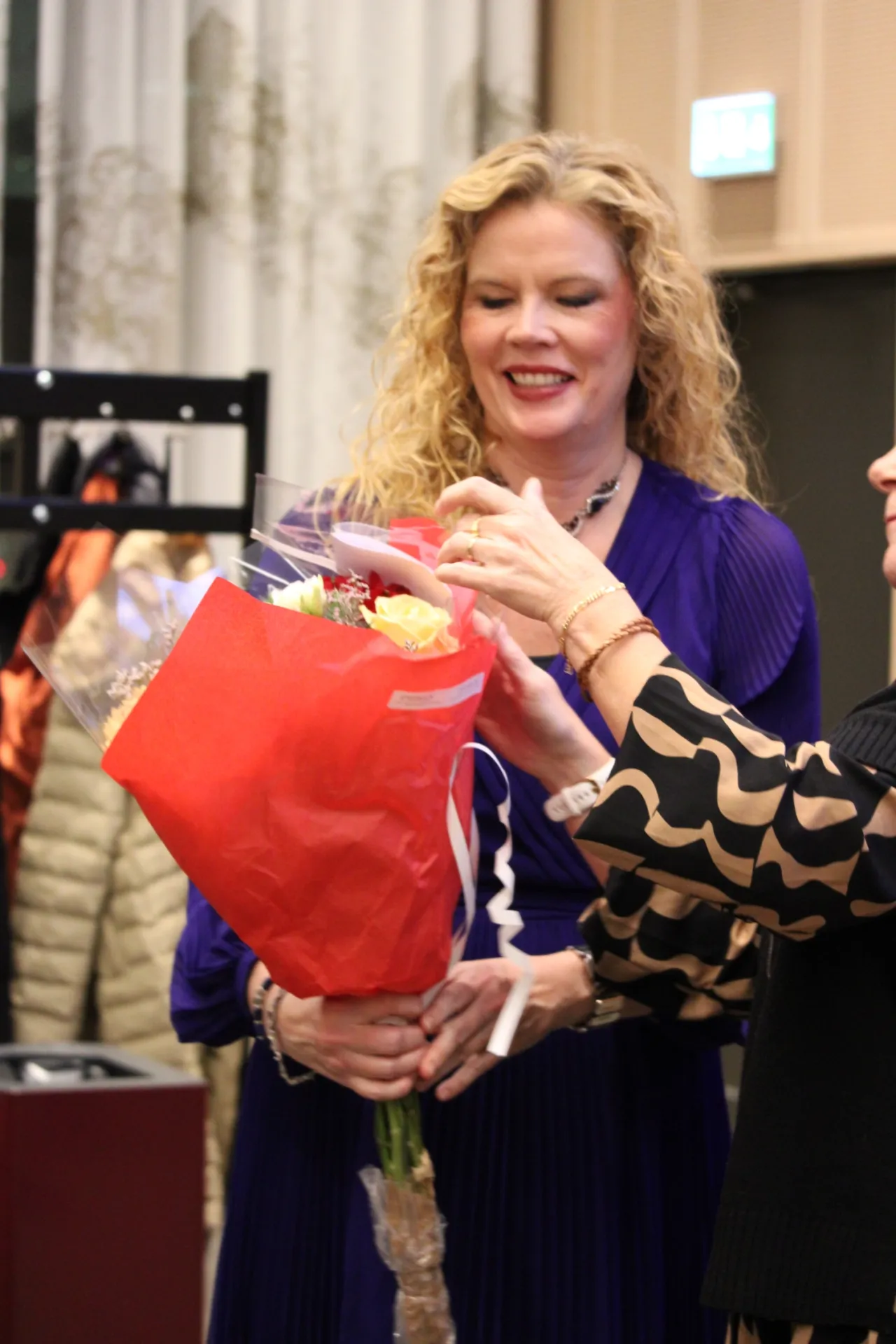
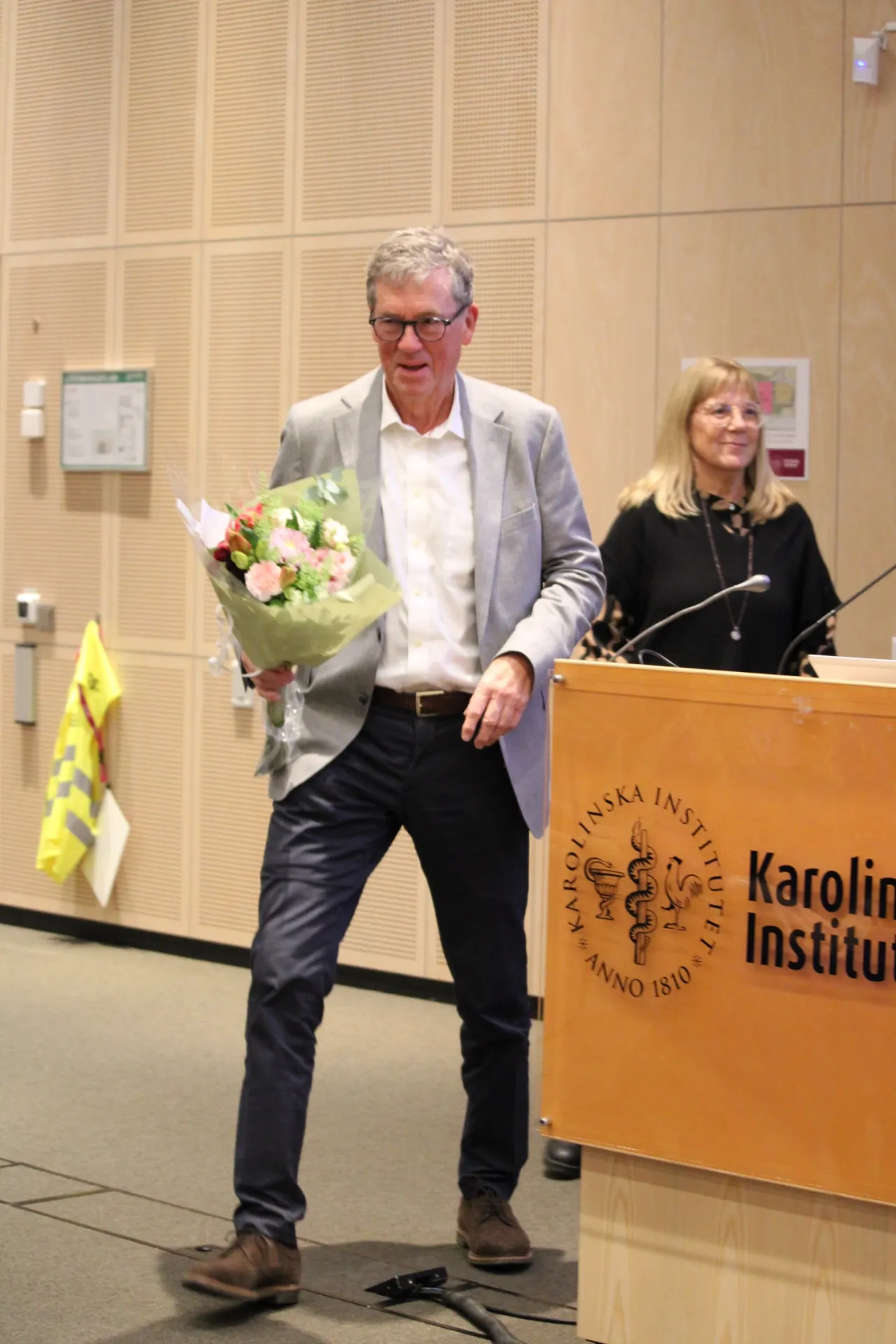
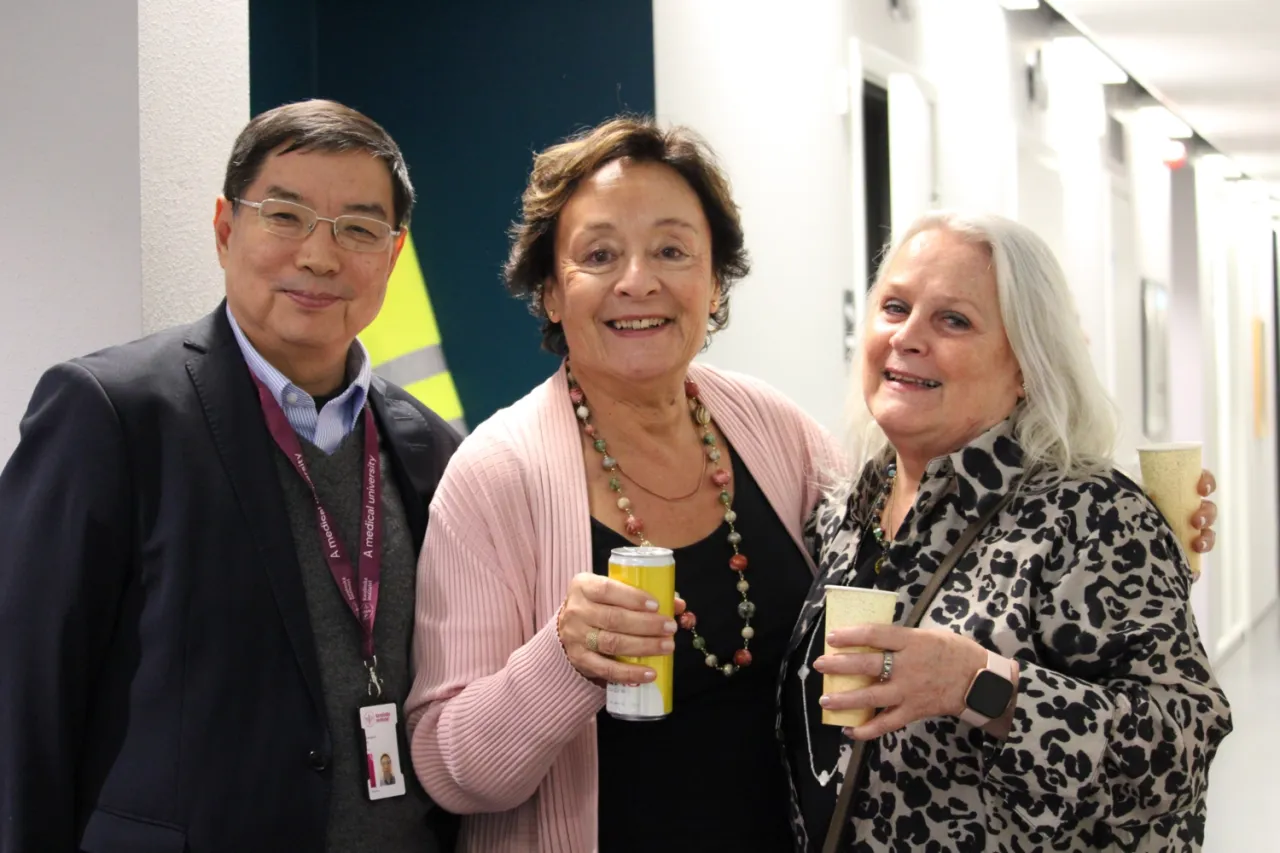
A selection of pictures from the event