
Seeking to increase survival rates for acute myeloid leukaemia
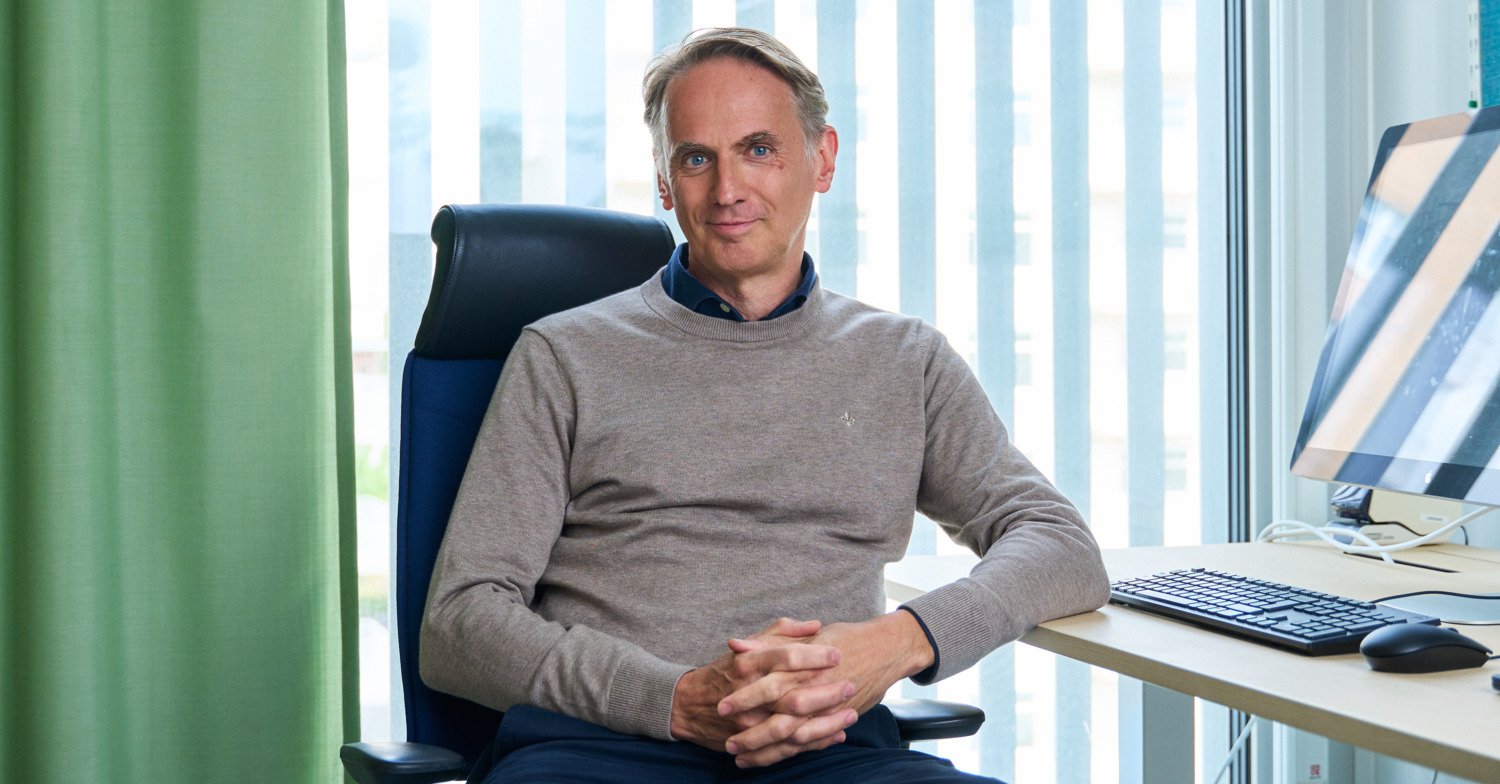
By studying epigenetic changes in leukaemia cells, Sören Lehmann hopes to contribute to more effective and personalised treatments. Meet one of the new professors of Karolinska Institutet who will participate in this year's installation ceremony at Aula Medica on 8 October.
Text: Karin Tideström, for KI’s installation ceremony booklet 2026
Sören Lehmann researches acute myeloid leukaemia (AML), the most common form of acute leukaemia in adults. Given the poor prognosis for many AML patients, there is a considerable need for a deeper understanding of the disease.
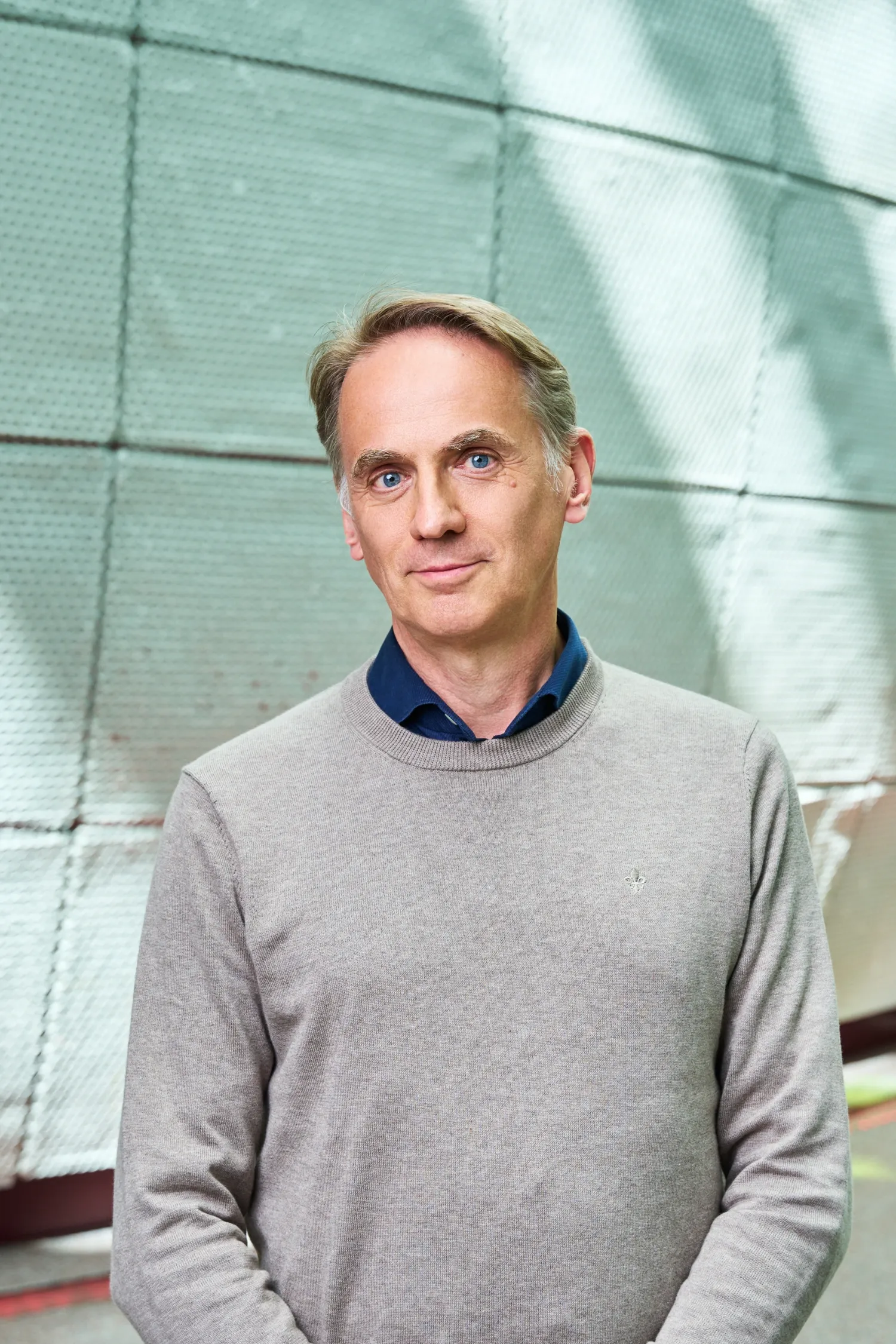
Professor Lehmann’s research group focuses on epigenetic changes in leukaemia cells – the mechanisms that control how the genome is organised within the cell nucleus and which genes are thereby expressed.
“We want to understand how we can apply this information to the development of more targeted, personalised and efficacious treatments,” says Professor Lehmann.
His research group uses patient-centred, clinical and molecular studies to analyse many types of molecular change in the leukaemia cells and how they are linked to factors such as drug sensitivity. Amongst other results, they have shown that many epigenetic mechanisms are changed in AML cells and that the epigenetic organisation can be tied to how the cells respond to different treatments.
About Sören Lehmann
Professor of Haematology at the Department of Medicine, Huddinge, as of 15 September 2025
Sören Lehmann was born in Stockholm in 1965. He studied medicine at Karolinska Institutet, and earned his PhD with a thesis on acute myeloid leukaemia. He was Professor of Haematology at Uppsala University from 2015 to 2025. He combines the post of professor at Karolinska Institutet with that of senior physician at the Section for Bone Marrow Failure and Leukaemia at Karolinska University Hospital in Huddinge.