
Per Uhlén awarded 2026 Lennart Nilsson Award
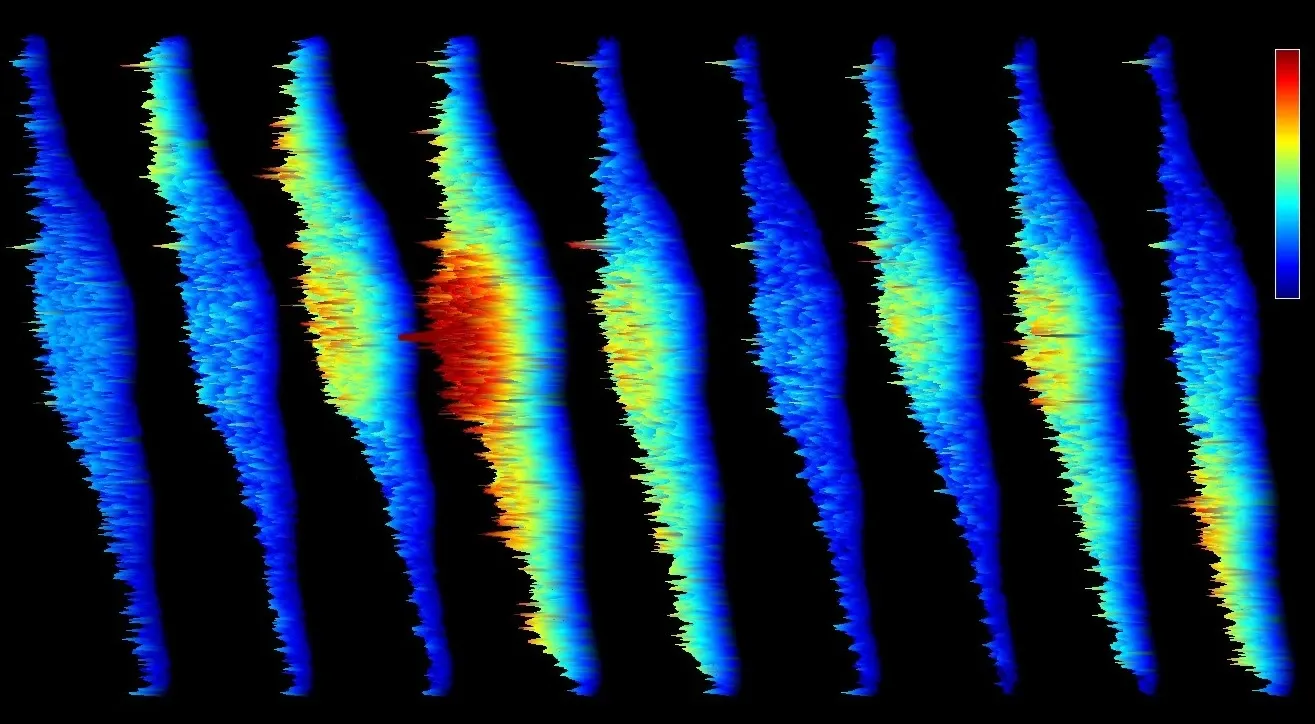
Per Uhlén, professor of cell signalling at Karolinska Institutet, is awarded the 2026 Lennart Nilsson Award for his pioneering development of advanced microscopy methods that visualise the fundamental processes of life.
By addressing biological questions with innovative techniques, Per Uhlén has created unique opportunities to explore cell signalling at both cell and organ levels, with a particular focus on neuroscience and cancer. His methods make it possible to study biological structures in three dimensions in unprecedented detail.
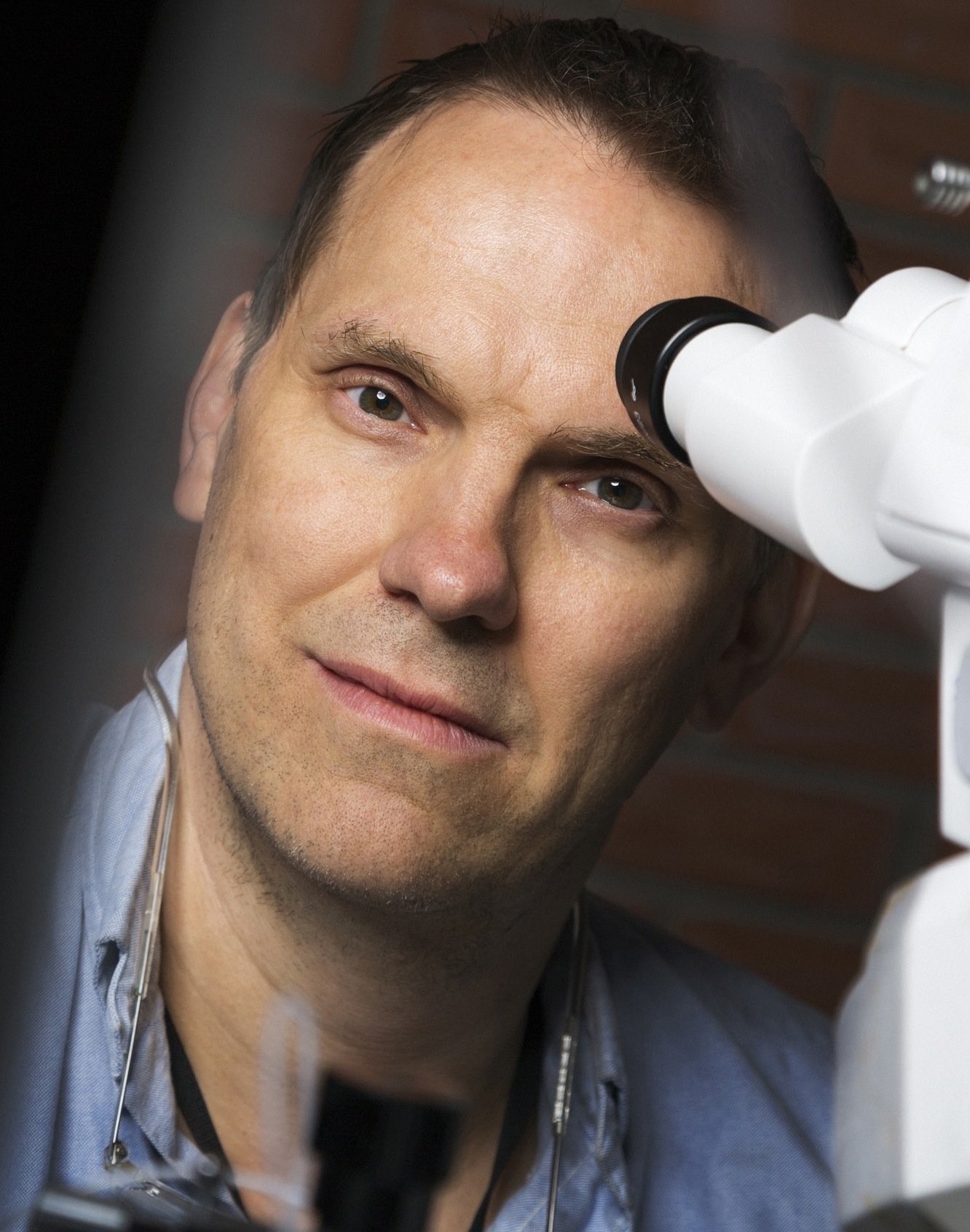
“It’s a great honour to be awarded the Lennart Nilsson Award,” says Professor Per Uhlén at KI’s Department of Medical Biochemistry and Biophysics. “The award also very much belongs to my research colleagues and partners.”
The Lennart Nilsson Award Foundation was established in 1998 in tribute to the world-leading Swedish photographer Lennart Nilsson and his extraordinary body of work. The annual prize rewards outstanding contributions to science photography.
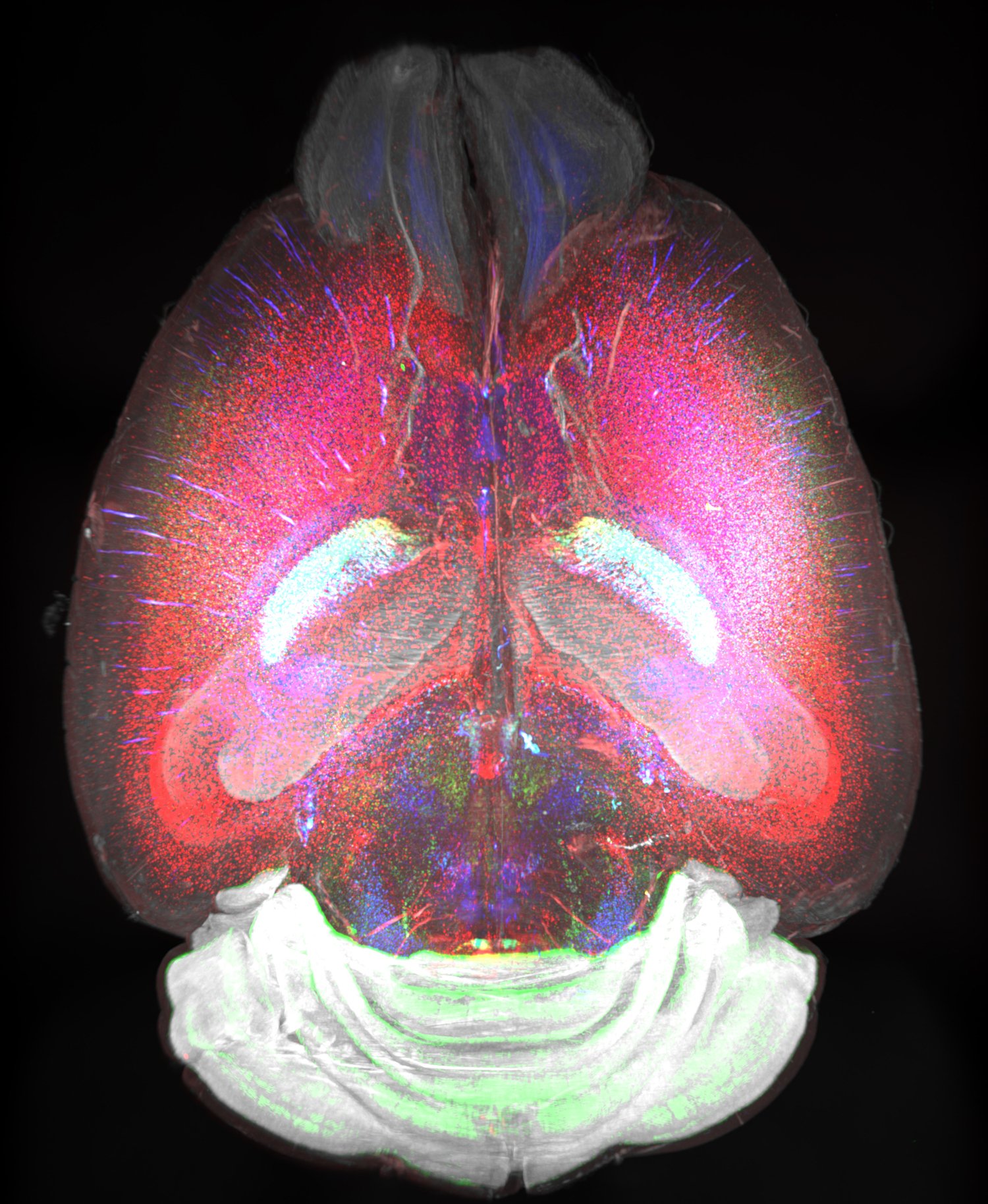
An important aspect of Professor Uhlén’s research involves developing methods that render dense tissue transparent, allowing the detailed imaging of intact organs and giving researchers unique insight into how cells interact with each other in both healthy and morbid biological systems.
Making the invisible visible
Professor Uhlén explains how advanced image analysis and visualisation makes it possible to observe biology in its true spatial and temporal context.
“Being able to visualise what was previously hidden from the eye has always fascinated me,” he says. “Seeing an entire organ in 3D fundamentally changes our understanding of biological processes.”
Amongst other achievements, his research group has developed methods for mapping proteins and RNA in entire organs down to cellular resolution, creating opportunities for new breakthroughs in biomedicine.
Driving development
Over and above his own scientific advances, Professor Uhlén has set up and led advanced microscopy facilities at Karolinska Institutet that have been of use to many other research groups. His work is characterised by a combination of technical precision, scientific innovation and an ability to visualise the aesthetic beauty of biological specimens.
“What drives me is the idea of unifying technical innovation with medical discovery, and giving other researches tools that pave the way for novel results,” says Professor Uhlén. “This award galvanises me to continue my work.”
Professor Uhlén and his research colleagues are currently developing an existing TRISCO protocol to enable the 3D mapping of RNA molecules.
“Our aim is to be able to study a wide variety of RNA molecules in an entire organ at the same time,” he continues. “Meanwhile, we’re also applying the technique to a number of medical questions, which we’re doing in close collaboration with basic researchers at Karolinska Institutet and clinically active doctors at Karolinska University Hospital.”
The Lennart Nilsson Award will be presented on 8 October at the professorial installation ceremony in KI’s Aula Medica.
The judges’ citation
Per Uhlén is awarded the Lennart Nilsson Award 2026 for his pioneering development of advanced microscopy methods that visualize the fundamental processes of life. Through his research, Uhlén has created unique opportunities to explore cell signaling at both cellular and organ levels, with a particular focus on neuroscience and cancer.
By developing tissue preparation methods in combination with advanced light microscopy, he has succeeded in making dense brain tissue transparent. This has rendered the invisible visible and allowed for detailed imaging of intact biological structures in complete three-dimensional volumes.
By combining these techniques with advanced analytical tools, Uhlén has pushed the boundaries of what can be measured and understood. He has furthermore established and managed leading microscopy facilities at Karolinska Institutet to the benefit of numerous researchers. His work unites technical perfection with an aesthetic and pedagogical brilliance that highlights the beauty in medical and biological specimens – entirely in the spirit of Lennart Nilsson.