

Nobel lectures on decades of searching for the guardians of the immune system
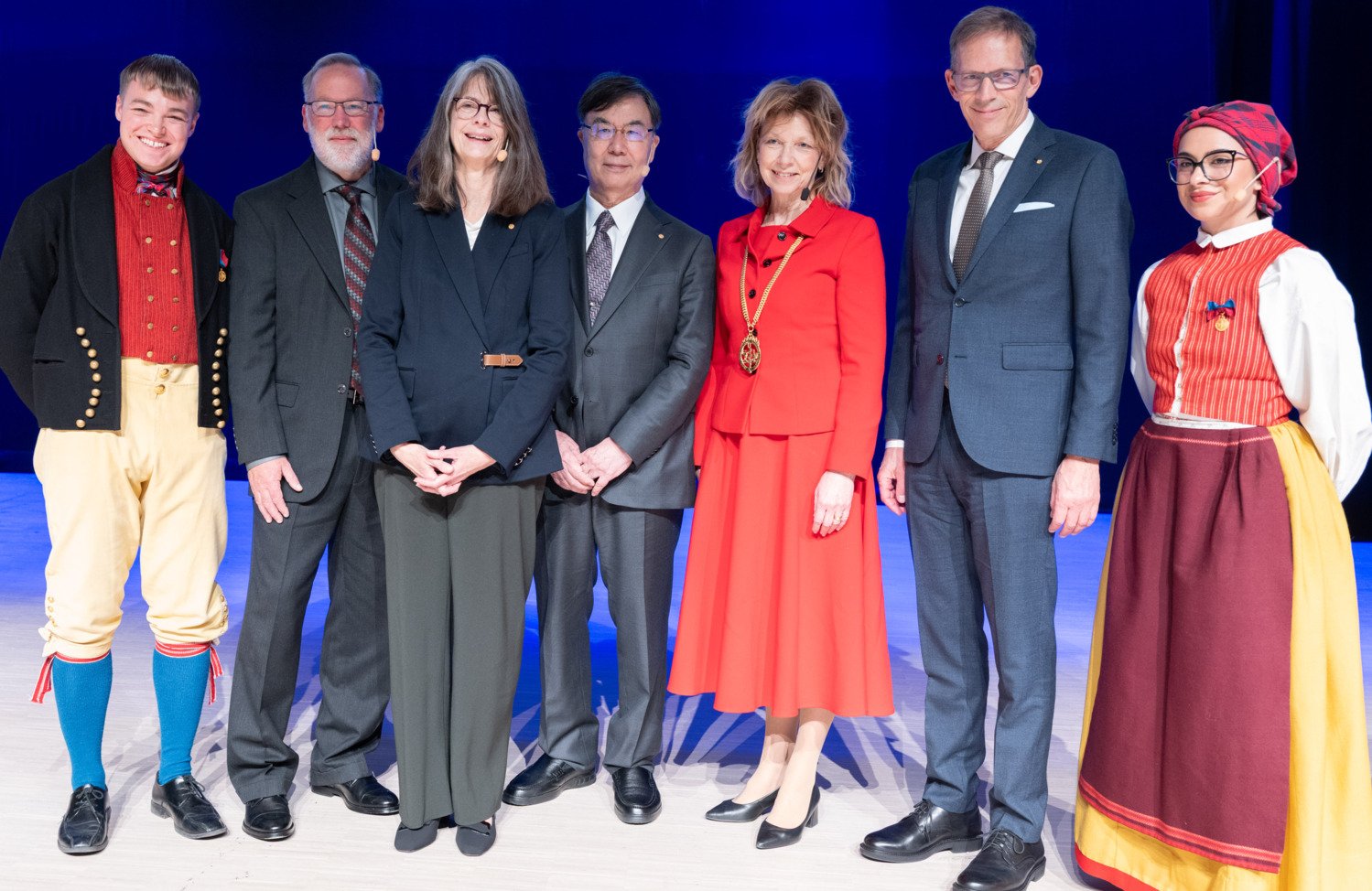
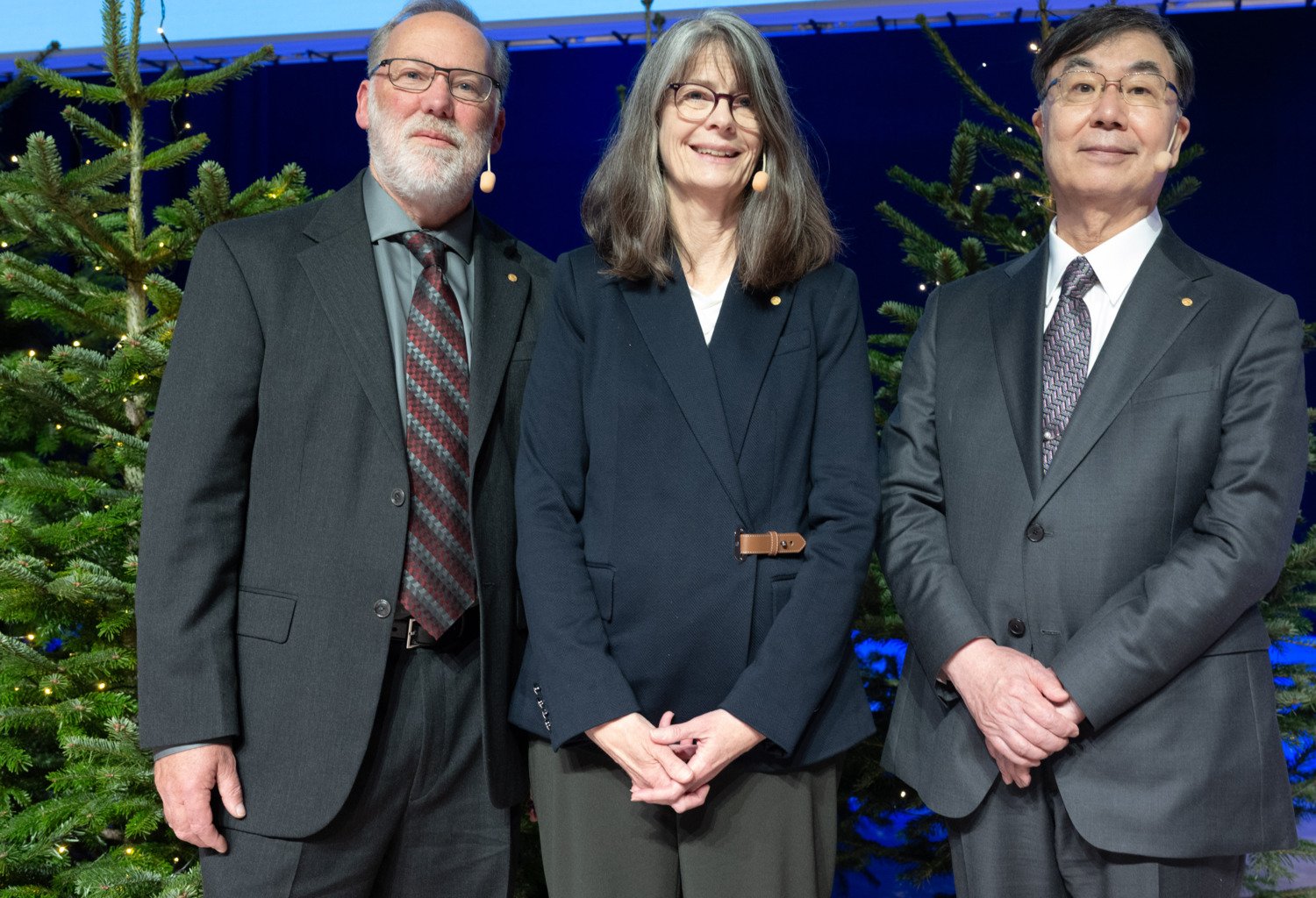
The 2025 Nobel laureates in Physiology or Medicine Mary Brunkow, Fred Ramsdell and Shimon Sakaguchi discovered how the immune system keeps itself in check, paving the way for new treatments for autoimmune diseases like type 1 diabetes, MS and cancer. Before a packed Aula Medica, the trio described decades of challenges and successes that led to the world’s most coveted science prize.
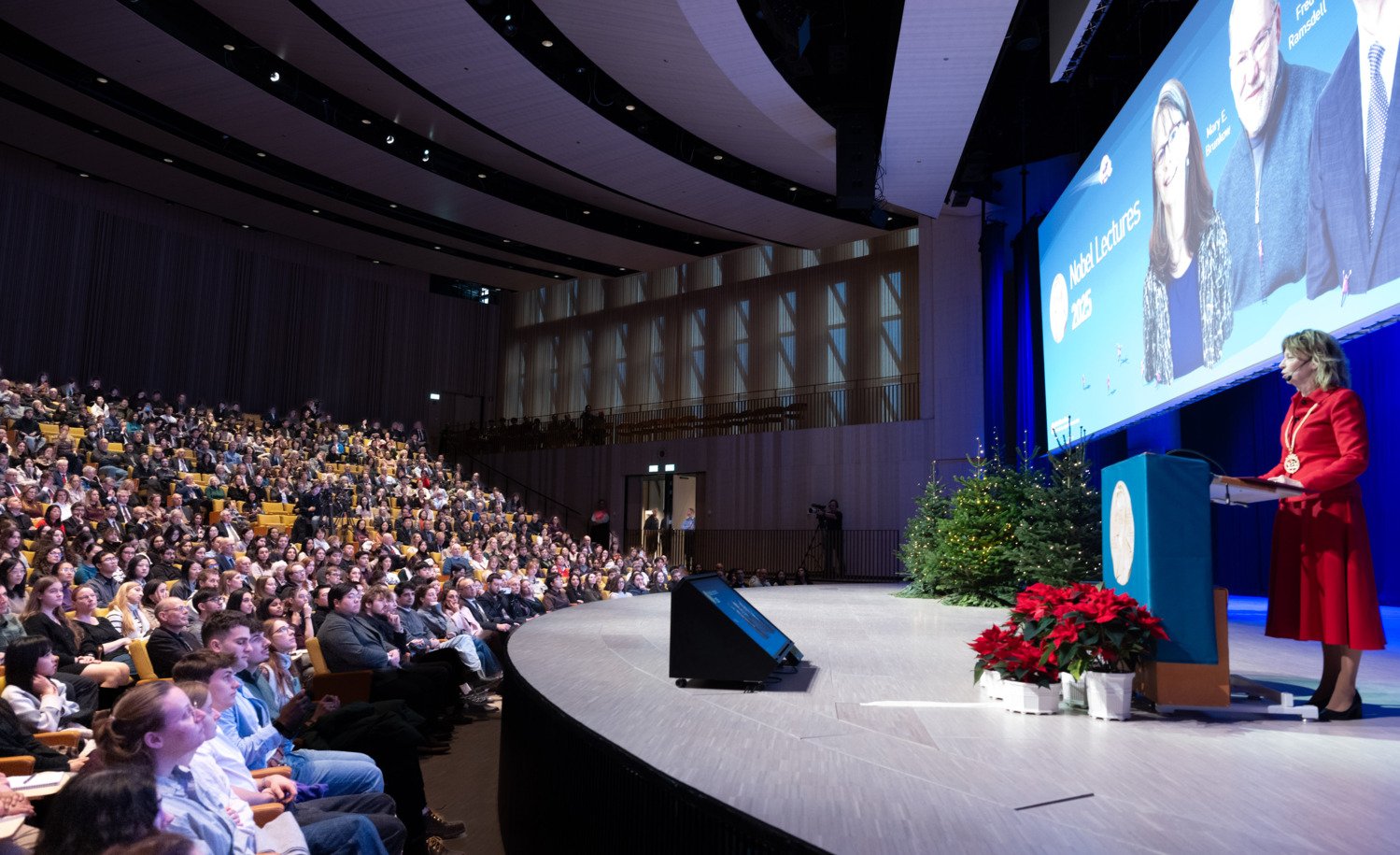
The Aula Medica stage is decorated with illuminated Christmas trees, behind which portraits of the laureates gaze out over the auditorium. Someone asks “What’s with the UFO?” – the answer is that what appears in the left-hand corner of the image is not a flying saucer but a regulatory T cell, the security guard at the core of this year’s Nobel Prize.
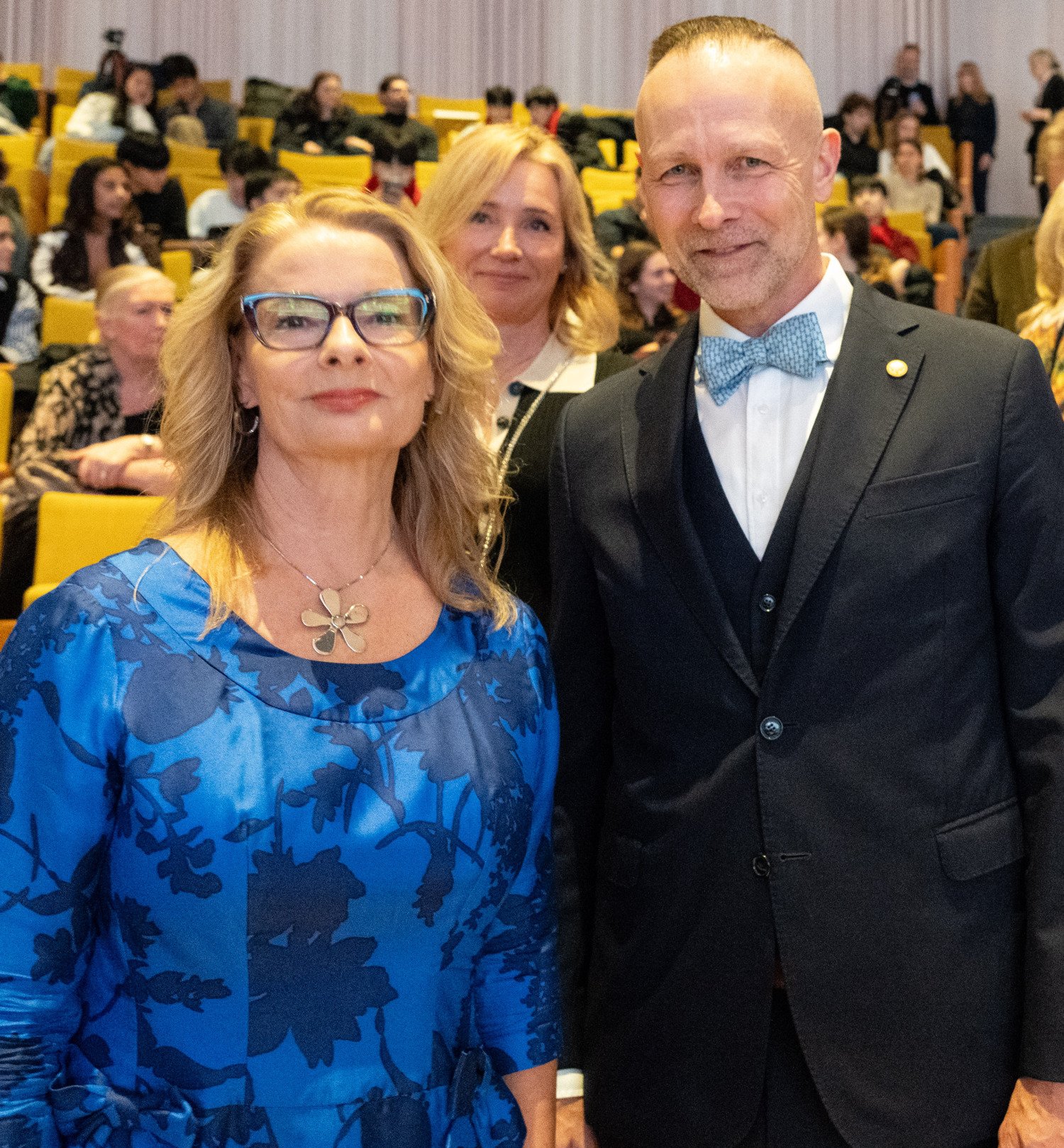
After the thousand-strong audience was welcomed by Karolinska Institutet’s president Annika Östman Wernerson, Professor Gunilla Karlsson Hedestam, member of the Nobel Committee, took to the stage.
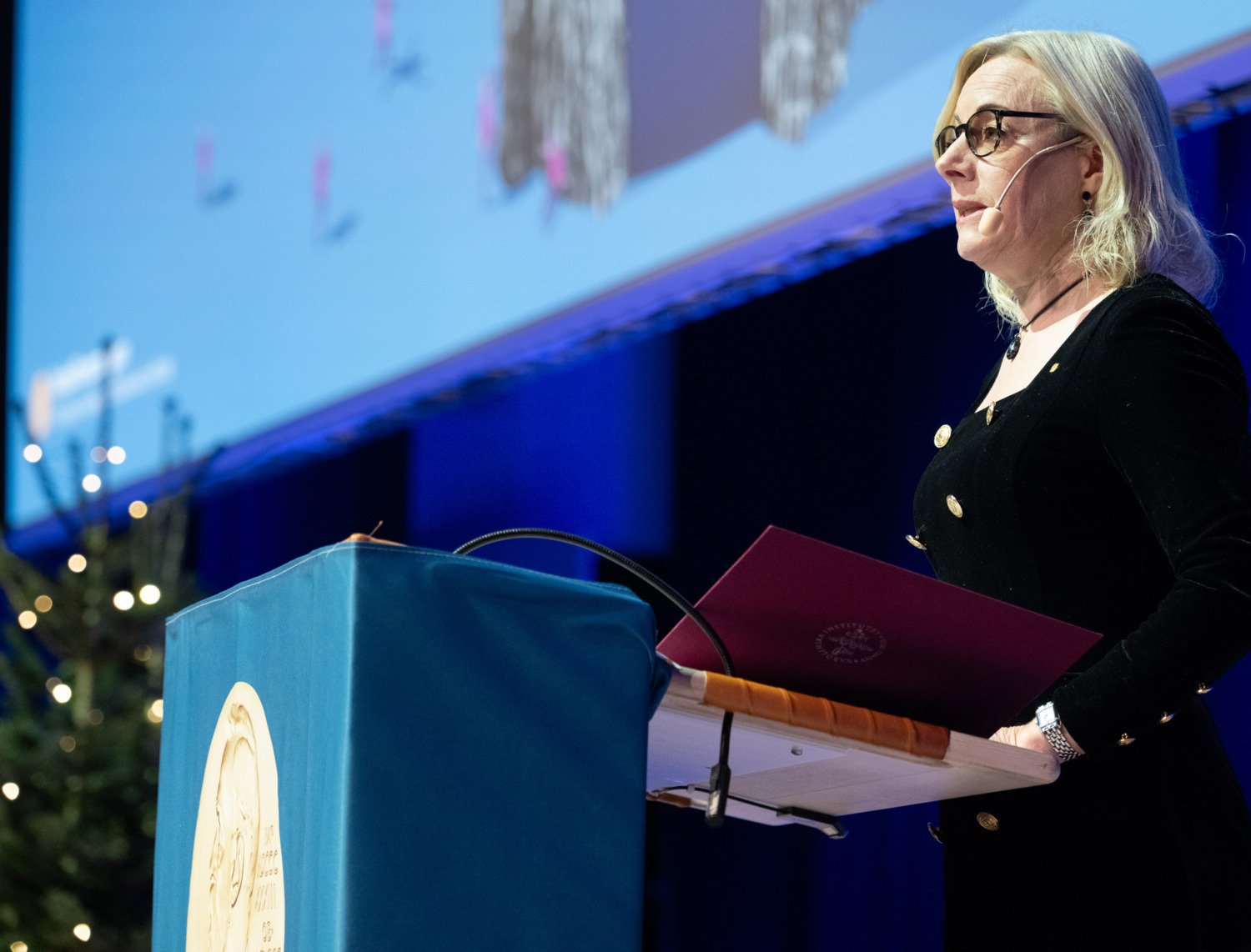
“The discoveries that we’re going to hear about are fundamental to our understanding of how the immune system is help in check,” she said, describing the meeting between two research fields: cellular immunology and molecular genetics.
“When the pieces were put together, they formed the definition of regulatory T cells, which differ from other immune cells by suppressing immune reactions instead of going on the attack.”
Shimon Sakaguchi: The regulation of T cells is the key to new therapeutic strategies.
First up was Shimon Sakaguchi, who thanked the Nobel Committee and the Nobel Assembly for the honour of receiving the award with his two colleagues. He described how they went about making their discoveries concerning “peripheral immune tolerance”.
The immune system protects us from microorganisms, and is not meant to attack endogenous cells and tissues.
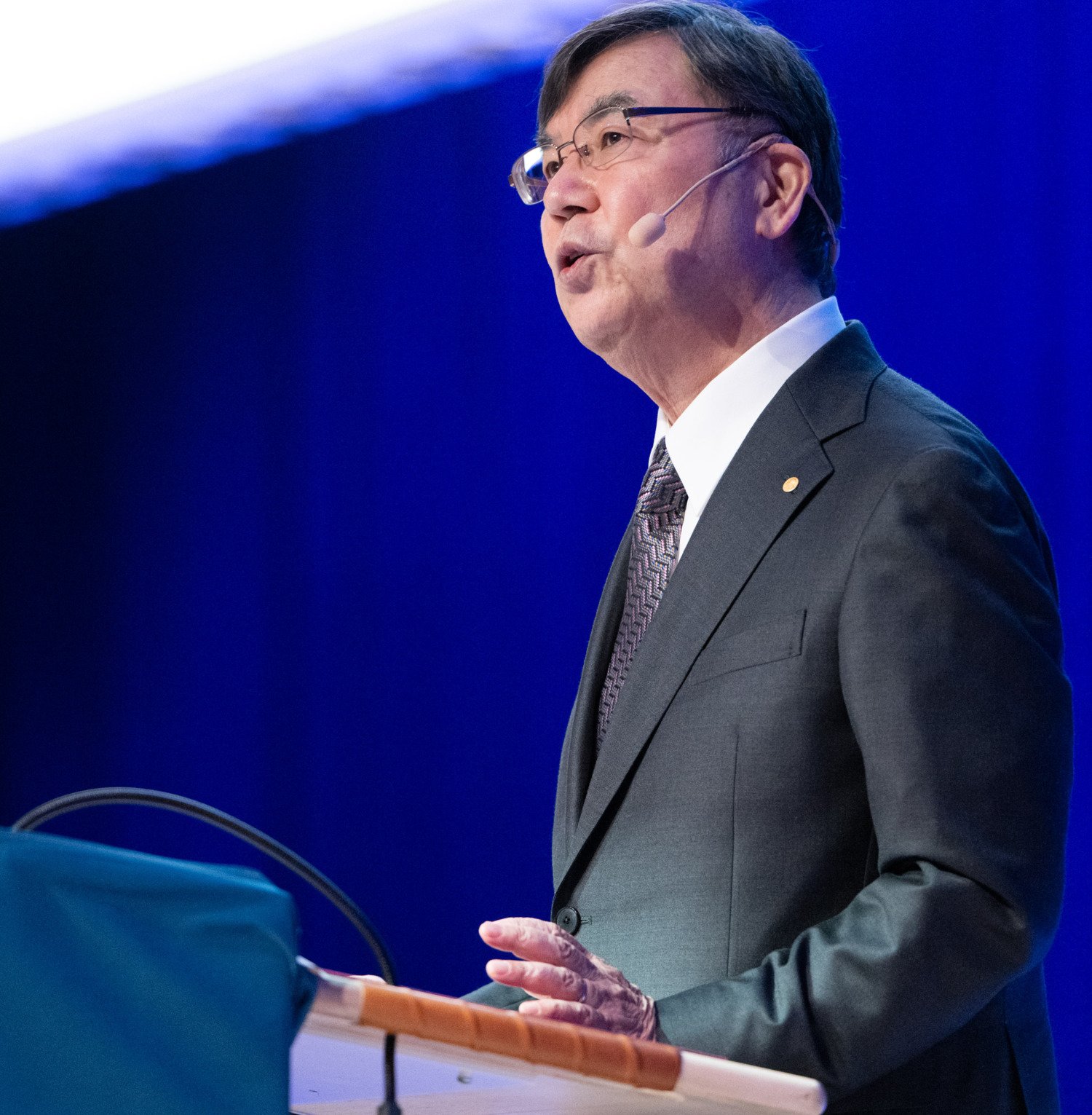
“At the turn of the last century, Paul Ehrlich coined the term “the horror autotoxicus” – it means the horror of self-toxicity,” said Dr Sakaguchi. “He stated that there must be certain regulatory contrivances which protect ourselves.”
One such contrivance is that the immature immune cells that recognise endogenous substances are filtered out in a gland located behind the sternum called the thymus in a process called central tolerance. Another is that T cells need a double signal to be activated, without which they remain inactive. A third – and the one which this year’s Nobel Prize rewards – is suppression.
“Even normal individuals may possess potentially hazardous self-reactive lymphocytes but their activation and expansion is controlled by another T cell population; now we call them regulatory T cells.”
The absence of these cells creates the conditions for autoimmune diseases, which are estimated to afflict eight per cent of the population – either in individual organs or as syndromes that affect multiple organs at the same time, like SLE or rheumatoid arthritis.
Confirmed hypothesis on self-reactive T cells
Two Japanese pathologists had previously shown that if the thymus is removed from baby mice three days after birth, they develop autoimmune diseases. The day of removal was critical. Dr Sakaguchi’s hypothesis was that the thymus produces autoimmune T cells already from gestational day zero, but on day three the thymus starts to generate regulatory T cells.
Around day seven there are enough regulatory T cells maintaining order in the periphery, so there is no autoimmunity, even if the thymus is removed. Through a series of experiments, he was able to show that these T cells carry a special surface marker called CD25.
He explained that when it came to central and peripheral tolerance, they found that T cells that react strongly to endogenous antigens are removed, while those with medium strong affinity can develop into regulatory T cells. T cells with low affinity can leave the thymus and be kept in check.
Three research groups united around a marker
In 2001, the two other laureates published new results on a gene called FOXP3, which if defective causes innate autoimmunity in mice and humans. Following this, three research groups were able to show that FOXP3 is a specific marker for regulatory T cells.
Dr Sakaguchi explained that it was possible to produce novel therapeutic strategies by increasing or reducing the regulatory T cell population. Removing regulatory T cells in mice causes tumours to be rejected and an immunological memory against tumour cells to form. Similarly, enhanced function can promote post-transplantation tolerance. Regulatory T cells, he concluded, are thus ready for clinical application.
Dr Sakaguchi closed by acknowledging the contributors of many others, including his wife Noriko – “the partner in my life and also a collaborator in research” – and his mentors, colleagues and sources of funding.
Mary Brunkow: The discovery of the FOXP3 gene has opened up an entire research field.
Mary Brunkow opened with a word of tribute to the mentors who guided her into a life in research and who taught her how to think critically while keeping an open mind in science and in life.
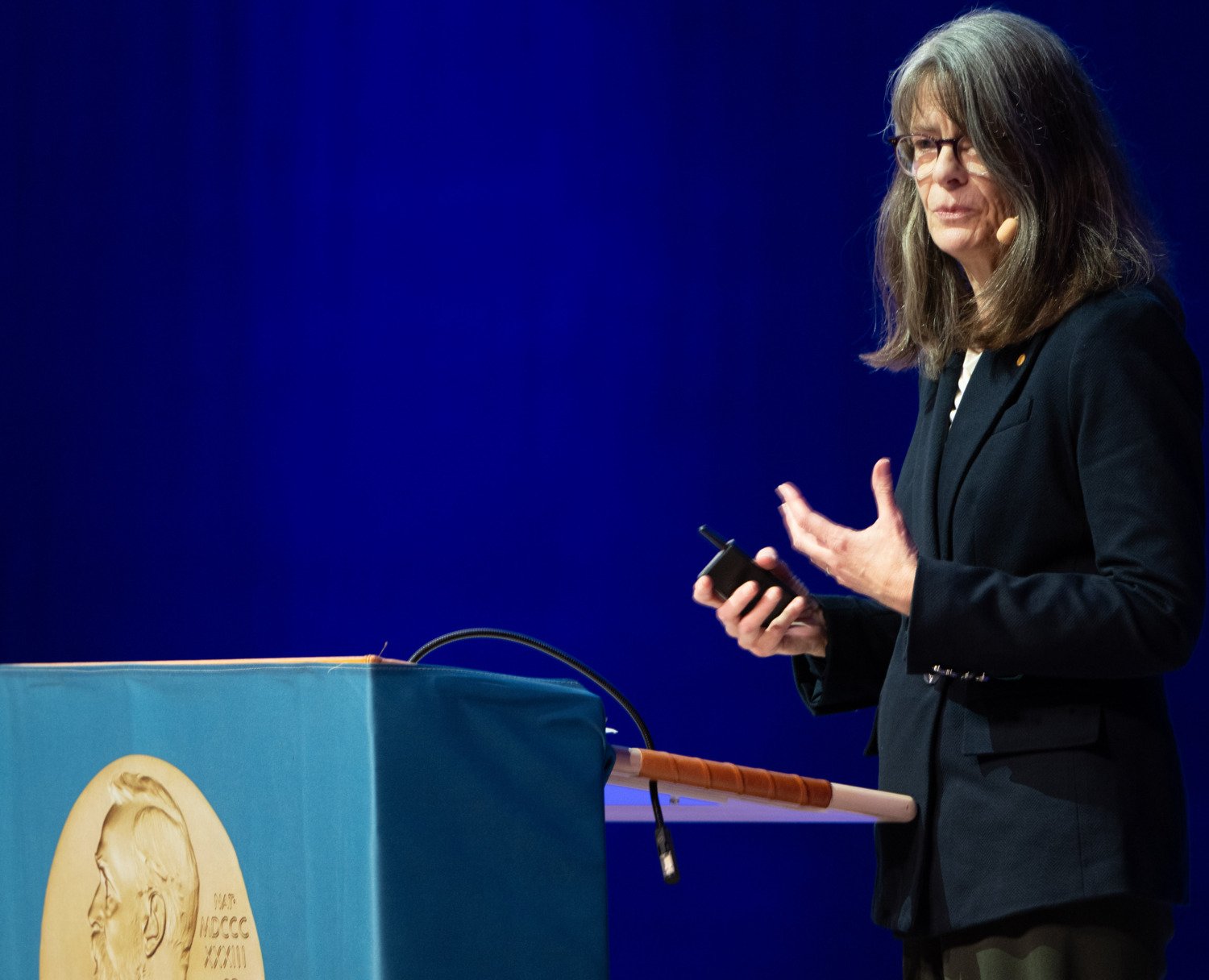
“And I’m also really lucky today to have been preceded by the world’s expert in immunological tolerance,” she said.
Her story started with the mutant mouse that allowed her and Fred Ramsdell to find the FOXP3 gene. The Oak Ridge National Laboratory was established in 1943 under the Manhattan project. So while most laboratory work focused on developing the atomic bomb, scientists were also interested in how radiation affects biological systems and built up a huge collection of mutant mice.
“In 1949 [they found] this spontaneous mutation that didn’t arise in any cohort of mice that were exposed to radiation,” she explained.
Due to their wasted and scaley, eczema-like appearance, she dubbed the male mice “scurfy”; internally, they had an enlarged spleen, liver and lymph nodes caused by an overactive immune system. In that only males were affected, the mutation was linked to the X chromosome.
The scurfy mouse was a promising model for autoimmune disease. What was missing were ways to characterise the genome, but in the 1990s, the development of molecular-genetic technologies exploded.
Finding a home for the mice
In 1994, she joined a newly started biotech company, whose vision was to use genes as a way of discovering novel drug targets, and the scurfy-mouse mutation was an interesting starting point. Research had shown that it was to be found somewhere in the middle of the X chromosome.
“I decided that we would just continue to let the mouse do the work for us and start trying to narrow that interval further by scoring for recombination events.”
The catch was to find a home for the scurfy mice, and they chose a janitor’s closet with a sink where the cages could be installed.
The mutation in the final gene
There were no complete genetic maps but different researchers were trying to put together what genes looked like, and in her research she was able to use different bioinformatics tools.
In the end, their search radius had shrunk to 20 candidate genes, which they compared one by one with the corresponding genes in healthy mice. Dr Brunkow showed a slide showing a page of her colleague’s notebook, with the very last gene ringed. This was the location of the mutation, a novel gene that had never been reported and that a nomination committee assigned the name FOXP3.
Clinical geneticists already knew that boys could be born with a very severe autoimmune syndrome called IPEX.
In patient samples, dozens of mutations have been reported in the FOXP3 gene. The type of mutation affects the severity of the disease and Dr Brunkow pointed out that it is now procedural to sequence the gene for diagnostic and prognostic purposes in children suspected of having IPEX.
Research was a team effort
The FOXP3 gene encodes a transcription factor, a protein that controls which downstream genes are to become active. On the theme of drug development, she regretted that a disease-related protein is not always particularly “druggable”:
“FOXP3 is a good example of that. Being a DNA-binding protein, it’s in the nucleus and is pretty hard to access with a small molecule or a biologic-type drug.”
But the discovery of the gene opened up a research field and provided insight into immune regulation and how regulatory T cells can be controlled for therapeutic purposes.
She stressed that her research was a team effort.
“A couple of weeks after the Nobel Prize announcement, this big email went out to every former employee that we could contact and we had a reunion at pretty short notice at a bar in Seattle,” she recalled in closing. “There was great enthusiasm and quite a good turn out of people showing up to celebrate this great news.”
Fred Ramsdell: The Nobel Museum is as close to the Nobel Prize as you can get.
Fred Ramsdell described his visit to the Nobel Museum, which exhibits every year dresses – one for every discipline – created by students of the Beckman College of Design. When he saw the “medicine” dress from the back, he recognised an interesting pattern that only a “T-cell dork” like himself would notice:
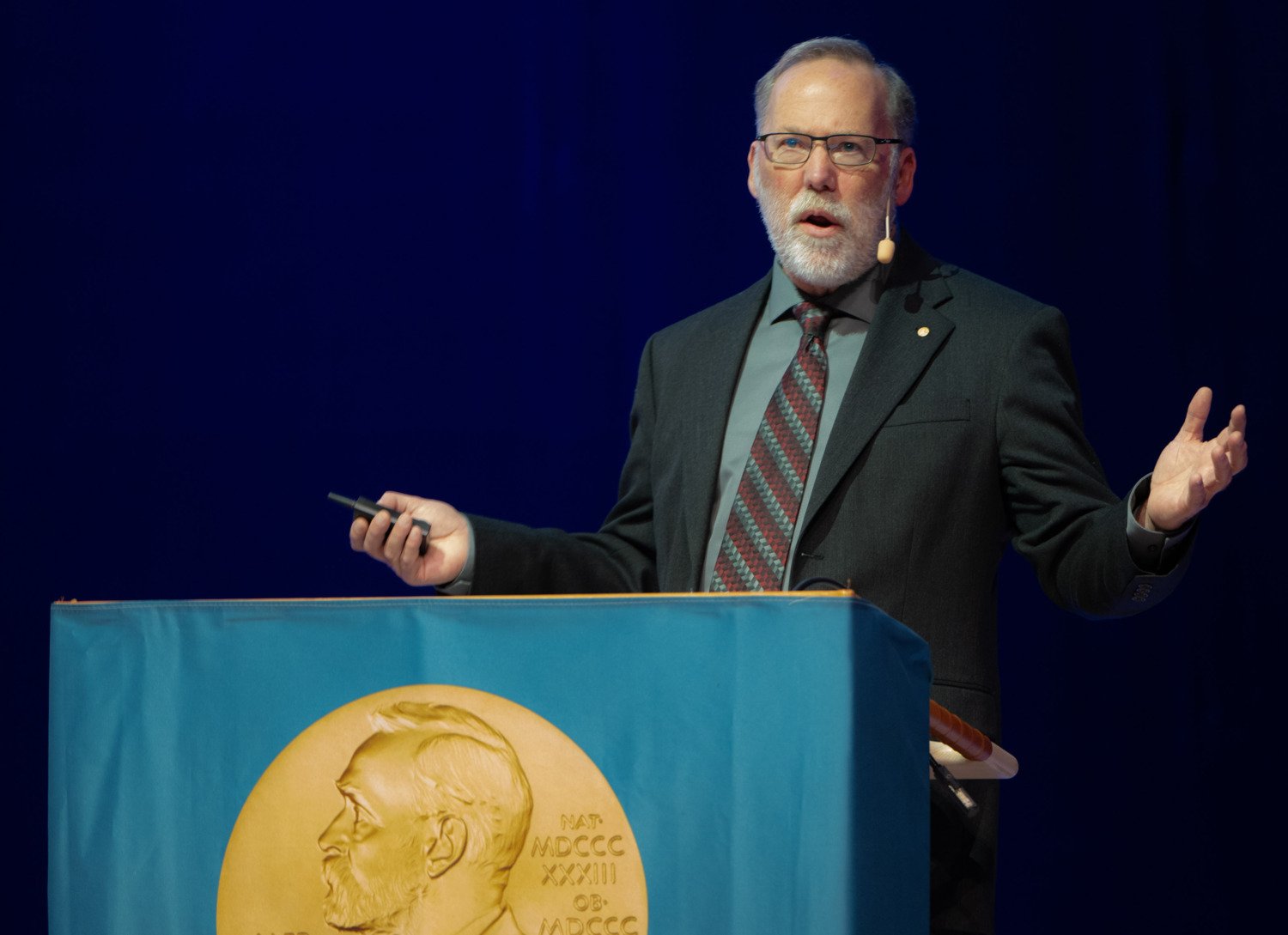
“This looks exactly like a T-cell receptor binding to an MHC molecule!” he said to himself. He admitted he was incredibly impressed: “Even the dress designers in Stockholm apparently know an awful lot about immunology!”
He worked at the same company as Dr Brunkow, and when they received the scurfy mice from Oak Ridge, their immune system was “hyperactive”.
When they generated the transgenic mice which had the healthy FOXP3 gene, the cells were less responsive: “The more of the scurfin protein that was present, the less responsive these cells were. I called it a rheostat for functionality.”
Handed over to the research community
He stressed how important it was that researchers can be wrong – and acknowledge it.
He long thought, he explained, that the FOXP3-gene could not be the cause of the scurfy mice’s problems, since it seemed to be expressed at a low level in all tissues. He admits he was wrong. “These [regulatory T] cells are resident in every tissue in our body and are really important for maintaining normal homeostasis of our tissues,” he said.
As mentioned, FOXP3 was a tricky drug target when it was discovered in the year 2000, so they decided to finally go to publication so that other researchers could work on it and help them figure things out, which they eventually did. But at the end of the 2000s, a research group discovered how human regulatory T cells could be isolated from blood. In 2019, he co-founded a biotech company focused on drugs for autoimmune disease.
“We liked taking advantage of the fact that this is nature’s way of controlling immune responses...that has been created over thousands of years of evolution,” he said.
They opted to concentrate on rheumatoid arthritis, with an approach borrowed from the cancer field. In brief, the method involves creating specificity by harvesting regulatory T cells from a patient’s blood and adding to them a target-seeking antibody that enables the cells to find inflamed joints. The cells are then cultivated and reinfused back into the patient.
Resetting the immune system
Six patients have received treatment as part of a safety trial. “So far every patient has been dosed and there are no significant adverse events yet. [The results of the treatment after 24 weeks vary], but we’re very encouraged by the fact that we’re seeing some response in these patients,” he said. “We don’t want to treat disease, we actually want to cure disease by resetting people’s immune system back to the state it should be in and the state most of us have. It’s a goal, it’s aspirational, but I don’t think it’s unachievable.”
His last slide was of a visit to Sweden in 2002, in which he is seen standing in Gamla Stan in front of a little caravan bearing the words “Nobel Museum” printed on the side.
“I stood in front of it and said, ‘Look, this is as close as I’m ever going to get!’ Apparently, I was wrong!” said Dr Ramsdell, concluding his lecture.
Text: Lotta Fredholm
Translation/editing: Neil Betteridge