
New thesis finds low risk to children’s health in assisted reproduction
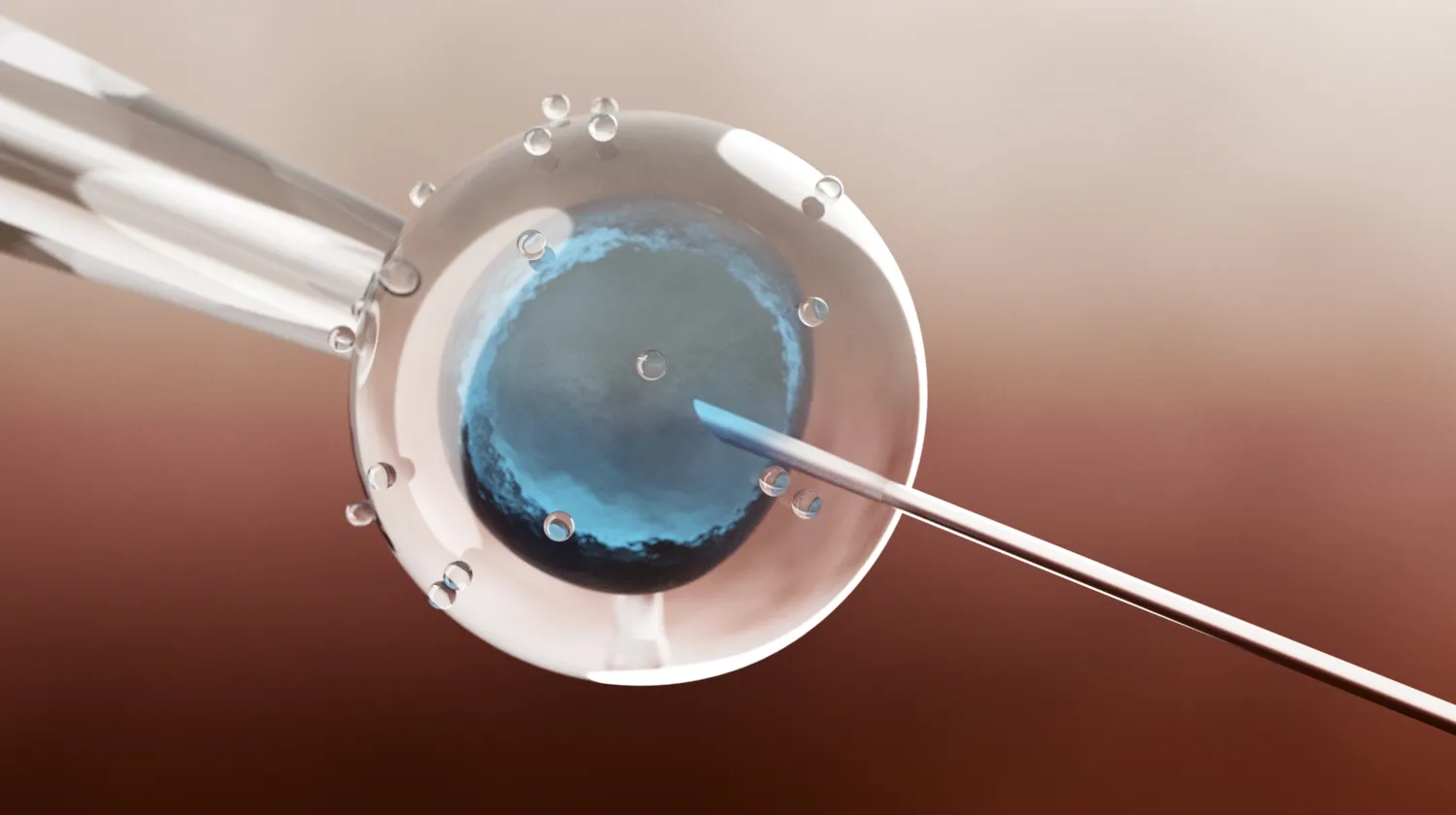
A new doctoral thesis from Karolinska Institutet shows that the health outcomes of children conceived with assisted reproductive technology (ART) are generally reassuring, although certain combinations of specific methods were found to be linked to a slightly increased risk of rare conditions. The findings alleviate concerns about the safety of ART and can support better counseling as well as informed decision making among patients and clinicians.
We asked Mujin Ye, doctoral student at the Department of Oncology-Pathology to tell us more about her thesis.
“My dissertation is about the safety of assisted reproductive technology (ART). It is a series of treatments usually indicated by a clinical diagnosis of infertility in couples experiencing involuntary childlessness. In my thesis, four specific techniques were studied: in vitro fertilization (IVF) and intracytoplasmic sperm injection (ICSI) as techniques for fertilization, and the transfer of fresh and frozen embryos to the womb.”
Which are the key findings?
“A moderately increased risk of imprinting disorders has been observed in association with the combined use of ICSI and frozen embryo transfer; however, the absolute risk remains low. In addition, compared with fresh embryo transfer, frozen embryo transfer is associated with slightly greater first-trimester growth among pregnancies resulting in live births, irrespective of the embryo stage at the timing of transfer. Up to young adulthood, the risk of autoimmune thyroid disease appears similar between individuals born after fresh and frozen embryo transfer.”
How can this new knowledge contribute to improving people’s health?
“The findings in this thesis provide overall reassurance regarding the safety of ART with respect to offspring health, thereby alleviating certain concerns. They also support informed decision-making among patients and clinicians and enhance counseling practices. In addition, these findings underscore the importance of continued monitoring of long-term outcomes of ART-conceived children to support the ongoing evaluation and optimization of ART.”
What are your future ambitions?
“I plan to pursue further clinical research to advance knowledge on the prevention, detection, and management of diseases and disorders, ultimately contributing to improved care and health outcomes for affected individuals.”
Doctoral thesis
“Assisted reproductive technology: Effects of specific methods on offspring health”
Dissertation
Monday 15 June at 1 pm in J3:12 Nanna Svartz, BioClinicum