
New centre to reduce drowning incidents in Sweden
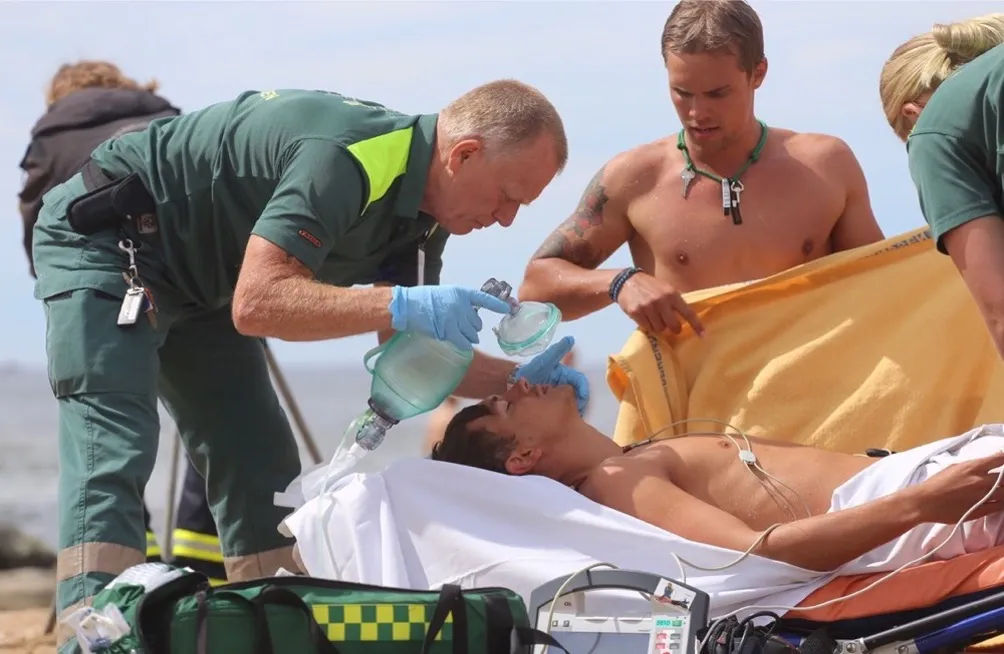
Drowning is a much bigger problem in Sweden than many people realise. The Centre for Drowning Research is established at Karolinska Institutet to consolidate knowledge and help reduce the number of people injured or killed in water-related incidents.
The Centre for Drowning Research will generate evidence-based knowledge to improve water safety, prevent accidents and enhance the emergency care of people affected by drowning. Its ambition is to serve as a national hub for expertise where researchers, healthcare providers, government agencies and other stakeholders can collaborate, according to Andreas Claesson, who is a nurse in ambulance care, associate professor of emergency care and researcher at the Department of Clinical Science and Education, Södersjukhuset.
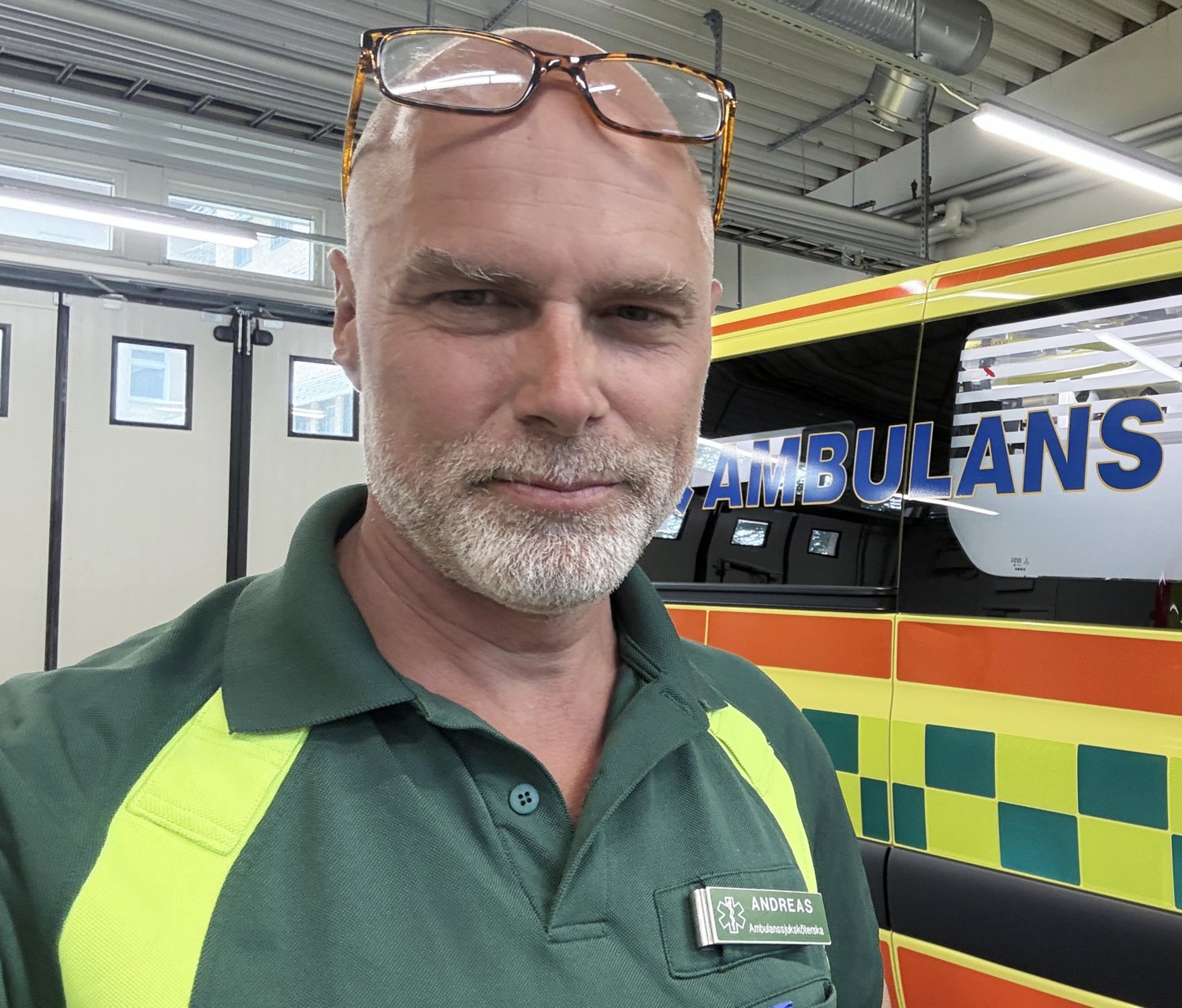
“Although there already exists great deal of knowledge about drowning and lifesaving, it is scattered across different sectors. By bringing together data and expertise from healthcare services, public authorities and voluntary organisations, we can move from a reactive approach to a more preventive one,” says Andreas Claesson.
The research will focus on identifying the groups most at risk of drowning, analysing underlying causes and evaluating which preventive measures are truly effective. Previous studies show that the decline in drowning-related mortality has stagnated after several years of improvement, while some population groups have become increasingly vulnerable.
The number of drowning deaths is on the rise
Around 440 people are involved in drowning incidents in Sweden each year. Approximately half of them die, while the other half survive following medical intervention. Alcohol intoxicated men over the age of 50 still account for the largest share of drowning incidents, but another growing risk group is young men and boys with a migrant background.
“It is a tragic loss of life years that affects entire families. With greater knowledge, I hope we can implement more targeted measures. These could include swimming lessons, water safety education and information campaigns that effectively reach all groups in society,” says Andreas Claesson.
Useful internationally
The Centre for Drowning Research will also work on the development of new rescue methods and conduct research on attitudes, behaviours and water safety culture.
“Our goal is to generate knowledge that can help reduce drowning incidents not only in Sweden, but internationally as well. What we learn about behaviour, prevention and innovative rescue methods may also be valuable in low- and middle-income countries, where the problem is even larger,” says Andreas Claesson.
In its initial phase, the centre will consist of approximately ten researchers with expertise in areas including emergency medicine, drowning and hypothermia. The establishment of the centre is in line with the United Nations’ 2021 recommendation that member states strengthen their drowning prevention efforts through research and knowledge development.