
Martin Bergö: ”KIRI is a practical workshop for future research breakthroughs”
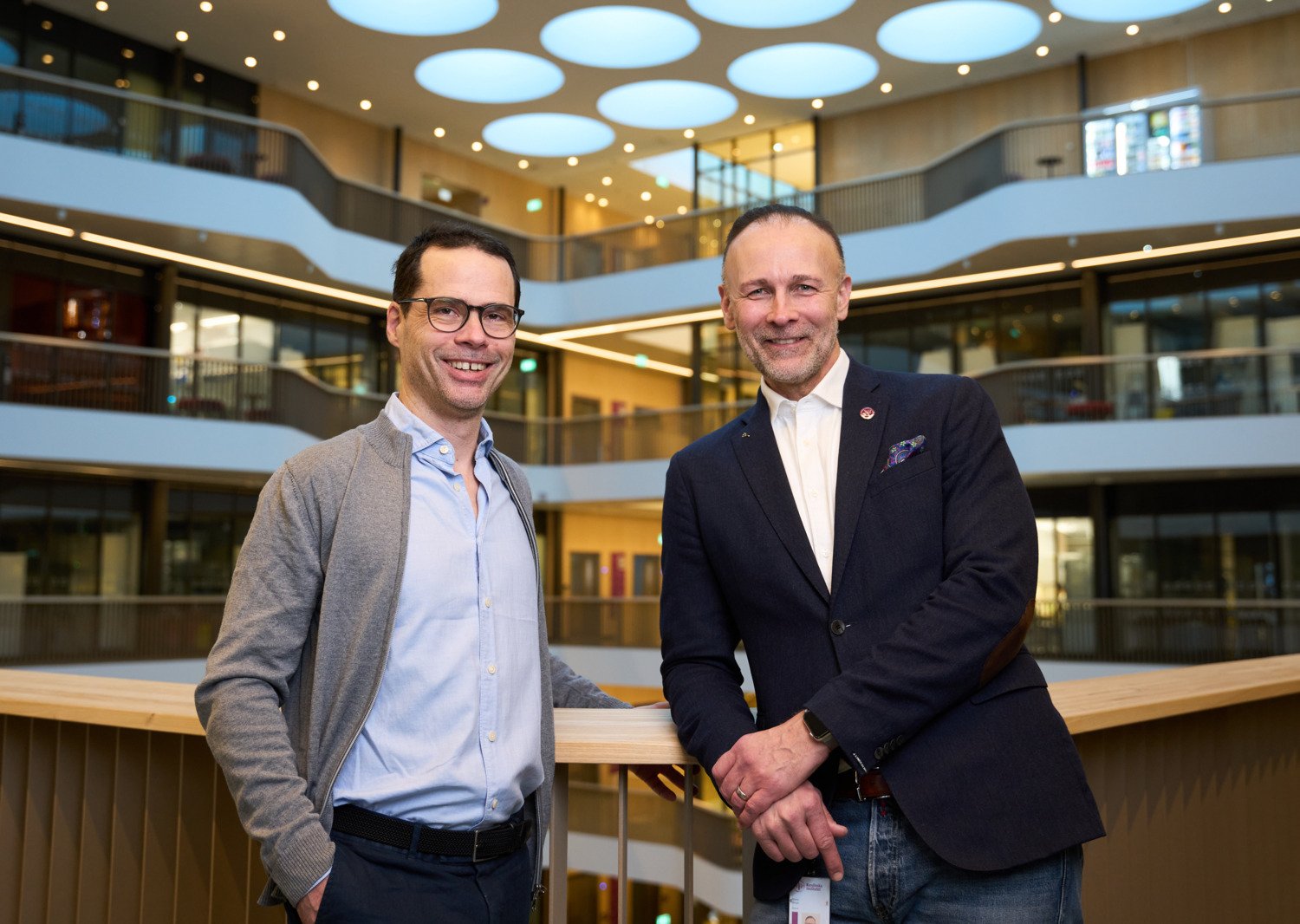
The Karolinska Institutet Research Incubator (KIRI) is where young researchers meet each other across disciplines and in the collaborations that arise, the foundations for pioneering research breakthroughs are laid. After the four years of its existence, KIRI is now seeing its first cohort of KIRI Fellows.
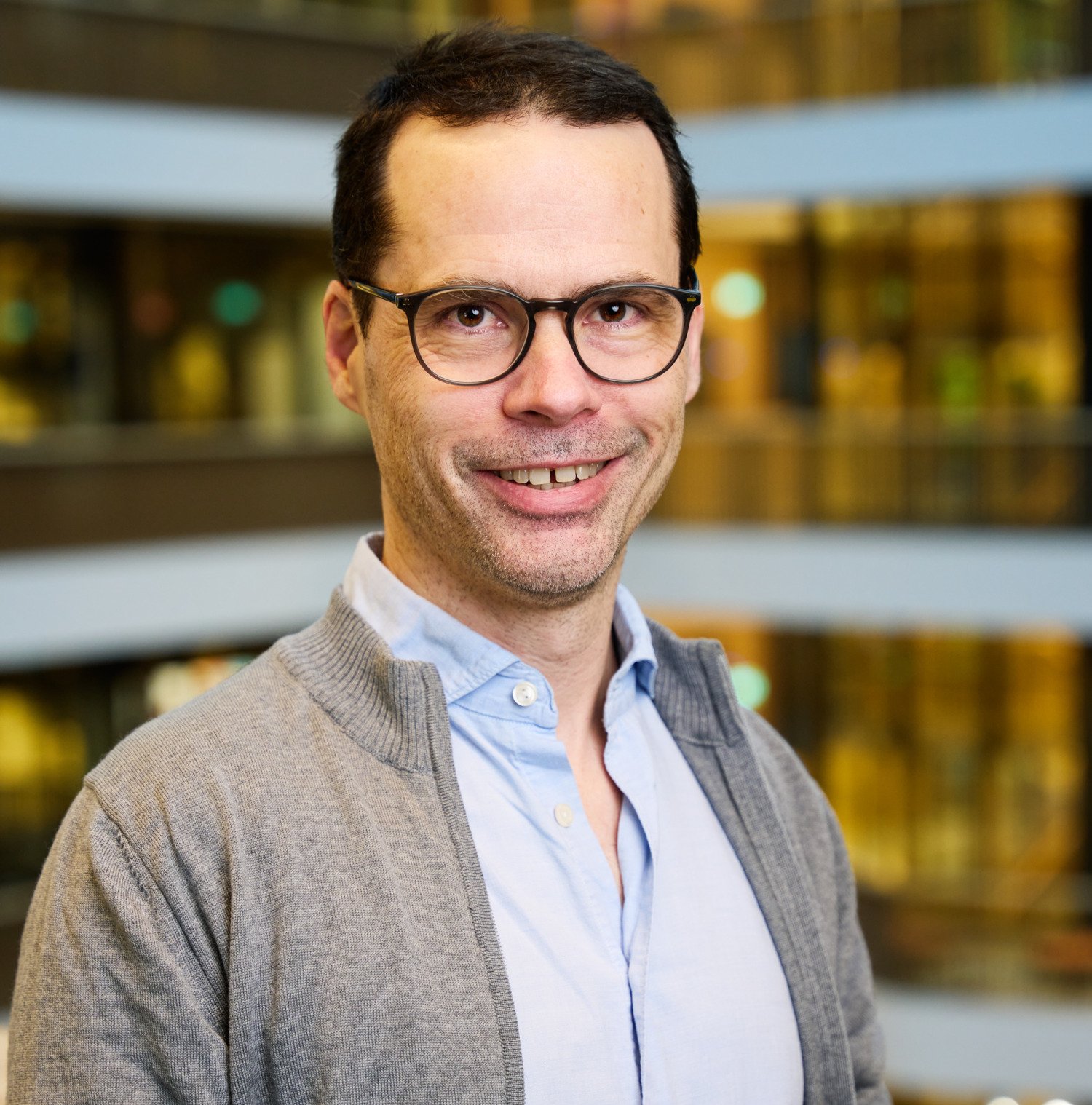
“There are incredibly talented young researchers at KI and we recruit new ones every year, but they usually come from different departments, for example, and haven’t met each other before,” says Konstantinos Meletis, professor at KI’s Department of Neuroscience and the initiator of the Karolinska Institutet Research Incubator (KIRI). “That’s why it’s so important to create a network that gathers all new research leaders within KI’s career ladder who are busy establishing their research in their own group.”
The first step was to create a network made up of KIRI Fellows where they could get to know each other and swap experiences.
“But we also decided that there have to be opportunities for encouraging closer collaborations, since we wanted to create new interdisciplinary synergies, so we’ve also developed a unique initiative for KIRI postdocs,” he adds.
A positive force for new ideas
Two KIRI Fellows who research different fields receive financing for recruiting a joint postdoc to work in an interdisciplinary project.
The very act of getting young researchers to start looking across disciplinary boundaries as early on in their career as possible is a vital aspect of this and something that’s very much in keeping with the times,” says KI vice president Martin Bergö.
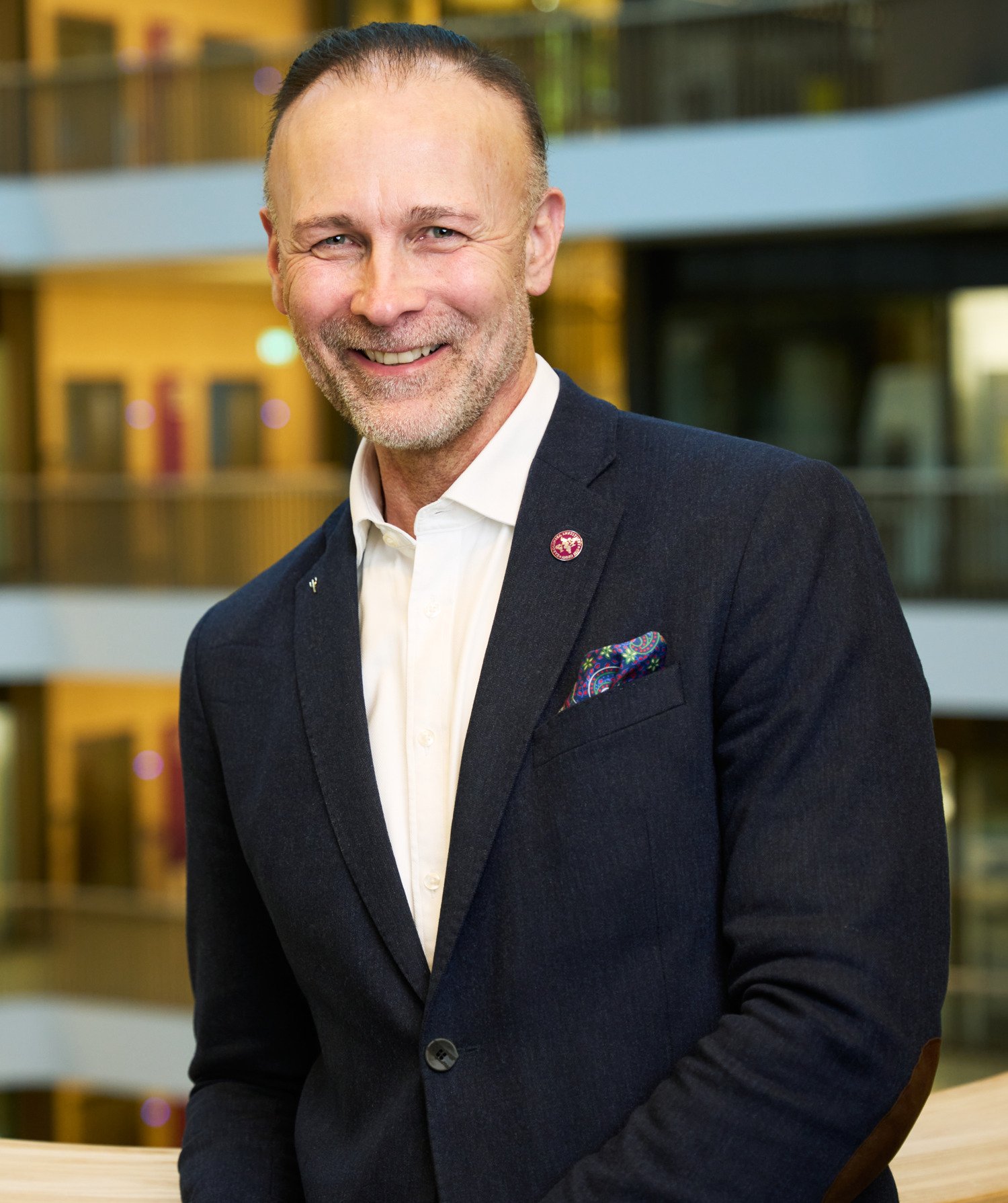
“Tomorrow’s research will be collaborative,” he says. “KIRI is a practical workshop for increasing the chances of future breakthroughs and winning ideas.”
KIRI Fellows spend four years developing activities and taking part in events that strengthen bonds and create the conditions conducive to new ideas and partnerships, and they get to present their ongoing research to each other, for example. But it’s no less important to hang out at the faculty club and eat pizza.
“Social networks are so important,” says Professor Meletis. “It’s now easy for them to meet and call each other, which is an incredibly positive force for the future.”
Professor Bergö stresses the value of KI’s research incubators.
“KIRI is a structured forum in which strong, young researchers can meet and connect across disciplinary boundaries,” he says.
Important investment in networks
He describes the life of a young researcher as a hectic one in which a lot of time is spent on getting ethical permits and applying for grants. And if they go away to a conference, it’s in their own research field.
“Doing this, we buy these young people a little time,” he says. “It’s a good investment.”
Professor Meletis agrees.
“These young researchers are brilliant in themselves, but we need to take care of them and provide them with a network so that they feel that they’re part of KI and not alone,” he says.
Professor Bergö says that one measure of outcome is the simple fact that a joint project has actually been done.
“No matter what it leads to, it’s of value,” he says. “If it gave rise to a new discovery that wouldn’t have been possible without the project that’s great, of course, but I think that can take more time – this is more about establishing a way of working.”
Finally, what would a platform like KIRI have meant to you when you were starting?
“It would’ve really go me going! I was fascinated by the research process and was lucky enough to get good help and collaborations, but back then that mindset wasn’t so explicit, so I would’ve loved it.”
“It’s about creating a critical mass of talented young researchers – who can then, in turn, inspire everyone around them.
Three voices on KIRI
The first group of KIRI Fellows were recruited in 2022. Here, three of them describe what KIRI has meant to them and share their experiences by answering four questions:
1) What has KIRI meant to you?
2) What experiences will you take with you going forward?
3) How important is it that KI operates this kind of incubator?
4) Did anything especially memorable happen during your time at KIRI that you’d like to share?
Qiaolin Deng, assistant professor at the Department of Physiology and Pharmacology:
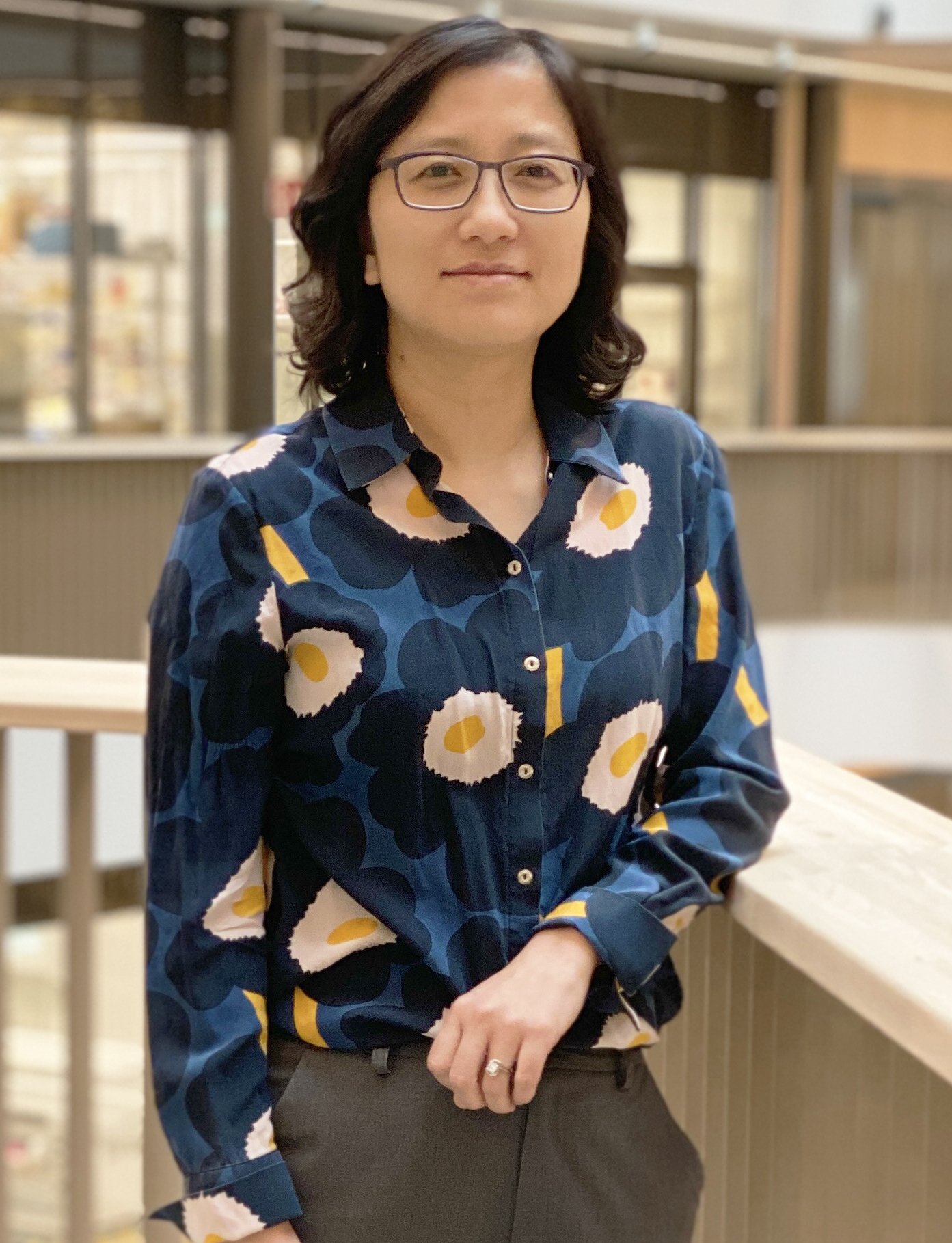
“KI is a diverse environment that can be hard to navigate, and KIRI has been extremely helpful in identifying outstanding people and fostering an environment where intellectual freedom and creativity lead to new ideas and collaboration.
Together with Georgios Sotiriou, we have developed nanoparticle solutions to target placentas, aiming to prevent adverse fetal development. We have developed a prototype that we are patenting.
My scientific perspective has broadened, and I now better understand the outstanding research landscape at KI. Also, working with colleagues from other disciplines has exposed me to new ways of thinking and working, helping me integrate novel technologies and perspectives into my research.
An incubator like KIRI provides a structured environment where researchers can explore creativity, build collaborations, and develop innovative solutions. Investing in competent people, giving them the freedom to explore their ideas, are key drivers of scientific innovation. I am proud to have been part of the first cohort of KIRI Fellows.
We were twenty PIs who got to know each other well. As new KIRI fellows joined, interactions became even more lively, but it also became harder to get to know every fellow well. An engaged coordinator makes a big difference in building a strong and vibrant community. I hope for an alumni network so we can stay connected with future generations of talented young researchers.”
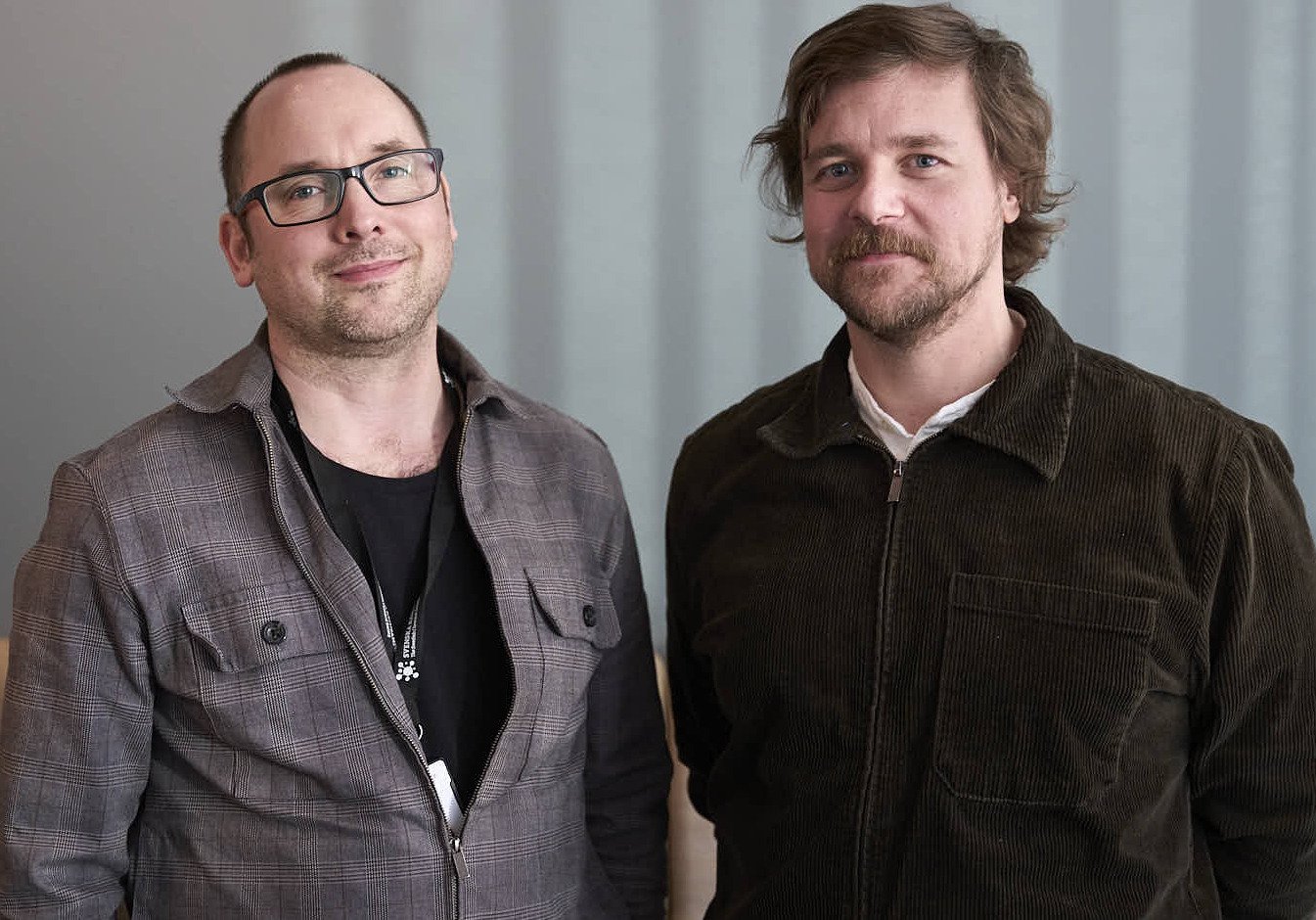
Kristoffer Månsson, docent at the Department of Clinical Neuroscience:
“KIRI has meant a great deal to me as a PI. KIRI has engendered new collaborations and given me a broader network in basic medical research. It has also enabled my research group to connect with others outside its particular discipline and to take a more multidisciplinary approach.
The KIRI grant, which has financed a shared postdoc for two years, has also been invaluable. It has demonstrated how early contacts can translate into real partnerships and long-term research projects. From idea to reality in the blink of an eye.
What makes KIRI unique is the simplicity of the concept. When creative researchers gather in a relaxed environment, sometimes over a few slices of pizza and a beer, conversations arise that can elicit new ideas. Many concrete projects and collaborations have grown up out of these meetings, which I suppose is the most memorable thing I’m taking home from my time at KIRI.
For me, KIRI demonstrates the value of investing in research environments in which people from different disciplines can interact. I believe that the initiative has great potential to develop into a platform where not only new partnerships can grow but also ongoing projects can be connected and ushered forwards onto the next step.”
Björn Reinius, docent at the Department of Medical Biochemistry and Biophysics:
“KIRI has been an amazing catalyst for new collaborations and has strengthened my network as a PI at KI.
What I’m taking with me is the experience of building collaborations across disciplines and of thinking creatively about research questions. The KIRI programme has also given me valuable new contacts at KI.
KIRI shows that KI is prepared to make long-term investments in innovation and young research talent. Such an incubator creates space for innovative thinking and interdisciplinary collaborations that otherwise might never have come about.
I’m taking away many rewarding and inspirational conversations with outstanding junior KI researchers. Marcus Buggert, with whom I’ve had a particularly close partnership though our collaborative project, has turned out to be not only a highly valued colleague but also a good friend – something that’s irreplaceable in research, in terms of both discussing opportunities and challenges and of sharing one or two laughs along the way ...”
Text: Lotta Fredholm
Translation: Neil Betteridge
KIRI in brief
• The Karolinska Institutet Research Incubator (KIRI) is a platform for young researchers to meet and forge interdisciplinary partnerships.
• KIRI was conceived in KI’s Strategi 2030 steering document and was launched in 2022.
• Young researchers who are assistant professors (BUL) can apply to be a KIRI Fellow. In 2025, 20 international BUL positions were advertised, compared to the previous 8 to 10 a year.
• Two KIRI Fellows may apply for grants for a joint project, gaining access to a postdoc who works in both their laboratories.
• On 23 March 2026, the first cohort of KIRI Fellows celebrated concluding their four years on the programme.
• Since inception in 2022 and its intake of just over 30 Fellows, KIRI has grown to over 80 Fellows, 20 active postdocs and 28 different interdisciplinary research projects – some in the process of starting up, others concluded.