
KI researcher awarded funding to tailor treatment for ovarian cancer
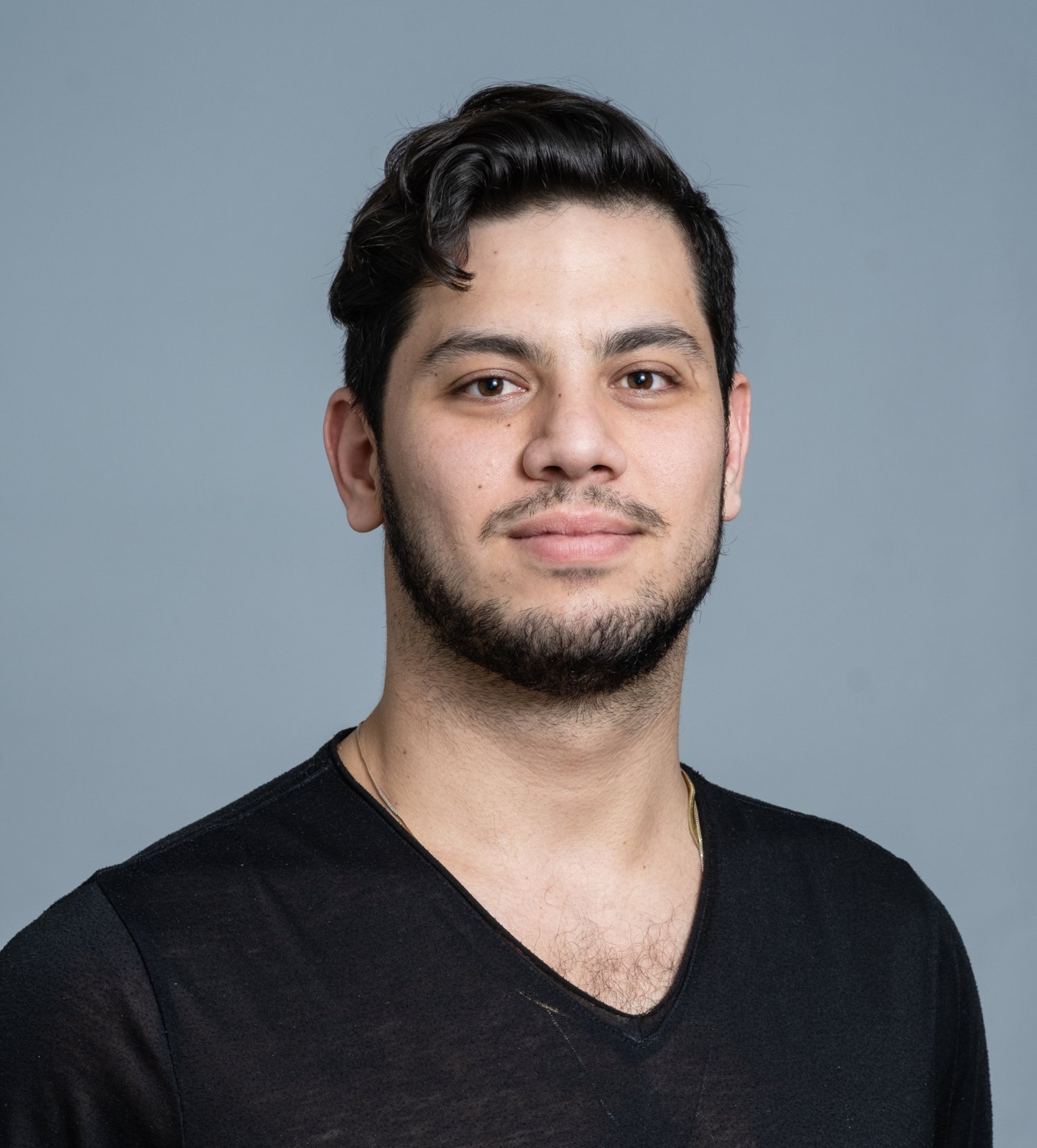
Okan Gültekin, a postdoctoral researcher at Karolinska Institutet, has been awarded an international grant from the Cancer Foundation to develop an AI-based tool for the treatment of advanced ovarian cancer. The project brings together expertise from Sweden, Finland and the UK.
Ovarian cancer is one of the most difficult cancers to treat in modern oncology. A major challenge is that the cancer can adapt and become resistant to standard treatments, making it difficult to predict which treatment will work best for an individual patient.
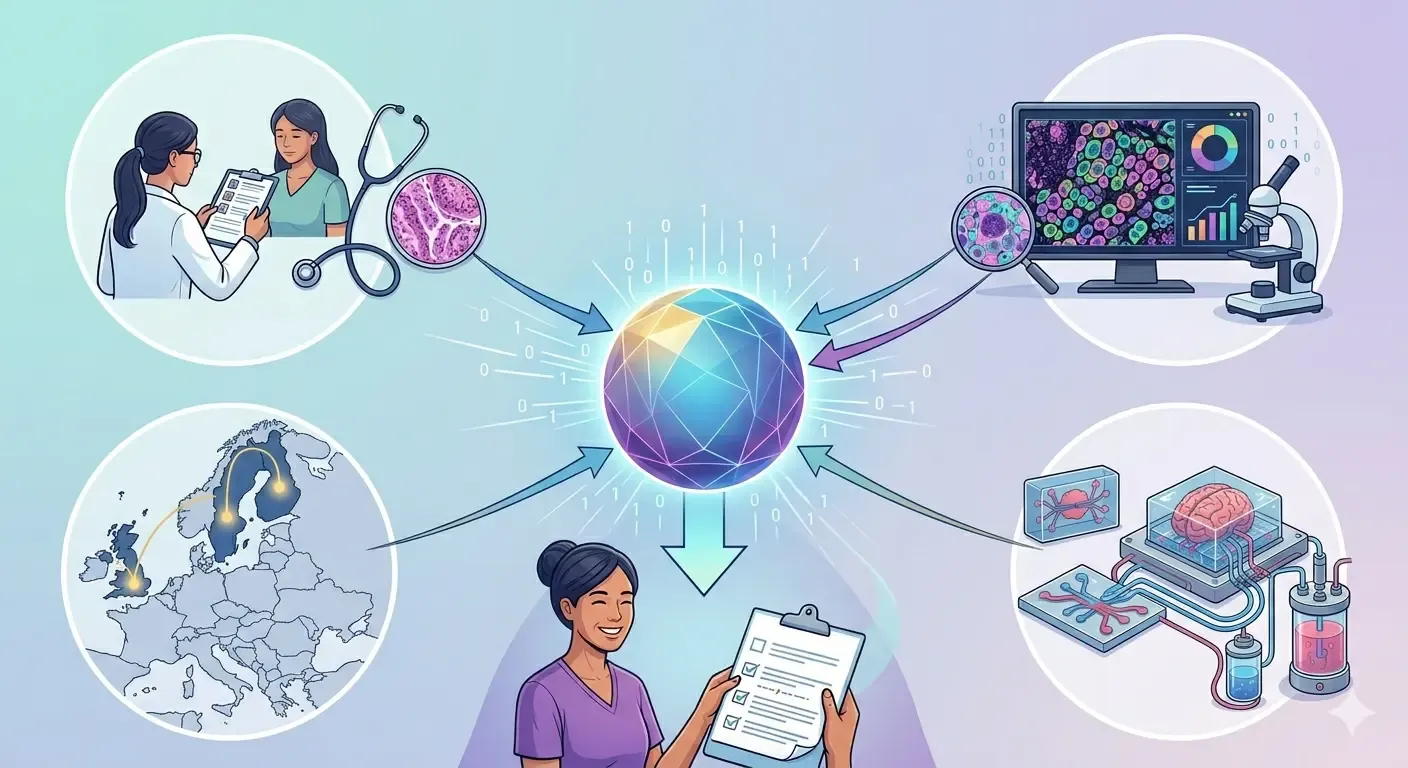
Okan Gültekin, a postdoctoral fellow at the Department of Women's and Children's Health (KBH) at Karolinska Institutet, will now build a framework where artificial intelligence is used to analyse the complex interactions that occur between the tumor, the patient's body and the environment in which the cancer grows.
“Ovarian cancer does not exist in a vacuum. It is shaped by its environment, especially the fluid in the abdominal cavity. Our goal is to use AI to decode this environment and help clinicians predict which treatments are most effective for each individual patient,” says Okan Gültekin.
Three countries, three areas of expertise
The project will run for three years and is built around collaboration between three European research institutions, each with its own specific expertise.
At Karolinska Institutet in Sweden, the work is based on the clinical aspects of the disease. In Finland, at the University of Helsinki, the focus is on digital pathology and AI to analyze the microscopic properties of the tumor. At Queen Mary University of London in the UK, biotechnological methods are used to create models that mimic the human body, with the aim of studying the behavior of cancer cells in real time.
“Innovations rarely happen in isolation, and solving a global problem requires a global team,” says Okan Gültekin. “It is an approach that reflects the entire project.”
Personalised treatment for all
The goal of the research is to move away from the traditional model where all patients with the same diagnosis are offered the same treatment.

By combining clinical information with molecular changes that occur during the critical period surrounding surgical treatment, the research team hopes to create an individualised decision-making basis for doctors.
“The future looks promising. We are moving towards a future where advanced ovarian cancer is no longer met with a universal approach, but with a roadmap for individualized patient care,” says Okan Gültekin.
The project is carried out within the Salehi Group at the Department of Women's and Children's Health at Karolinska Institutet and is funded by the Swedish Cancer Society's international postdoctoral grant.