
Important discussions on the role of universities in Sweden’s crisis preparedness
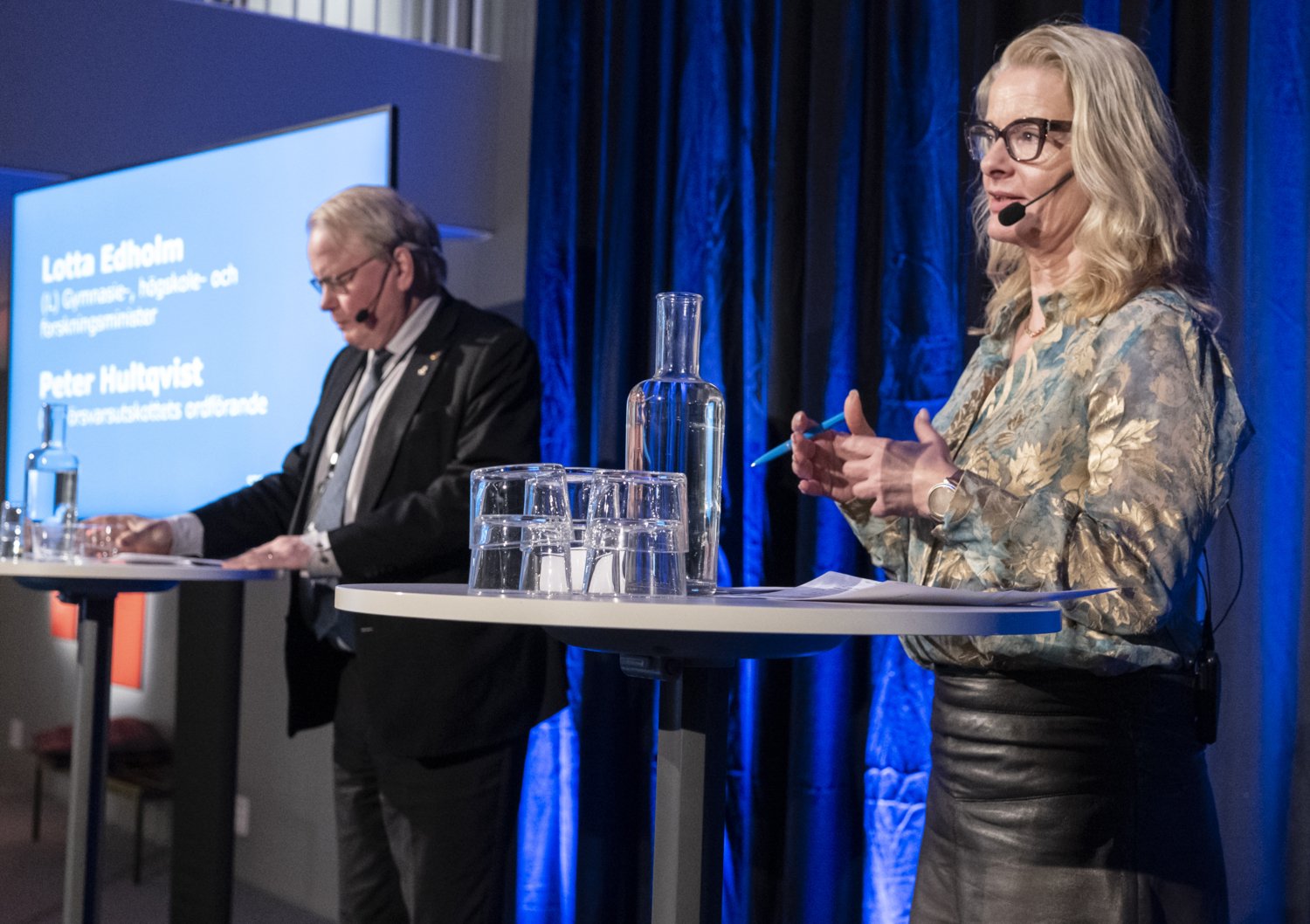
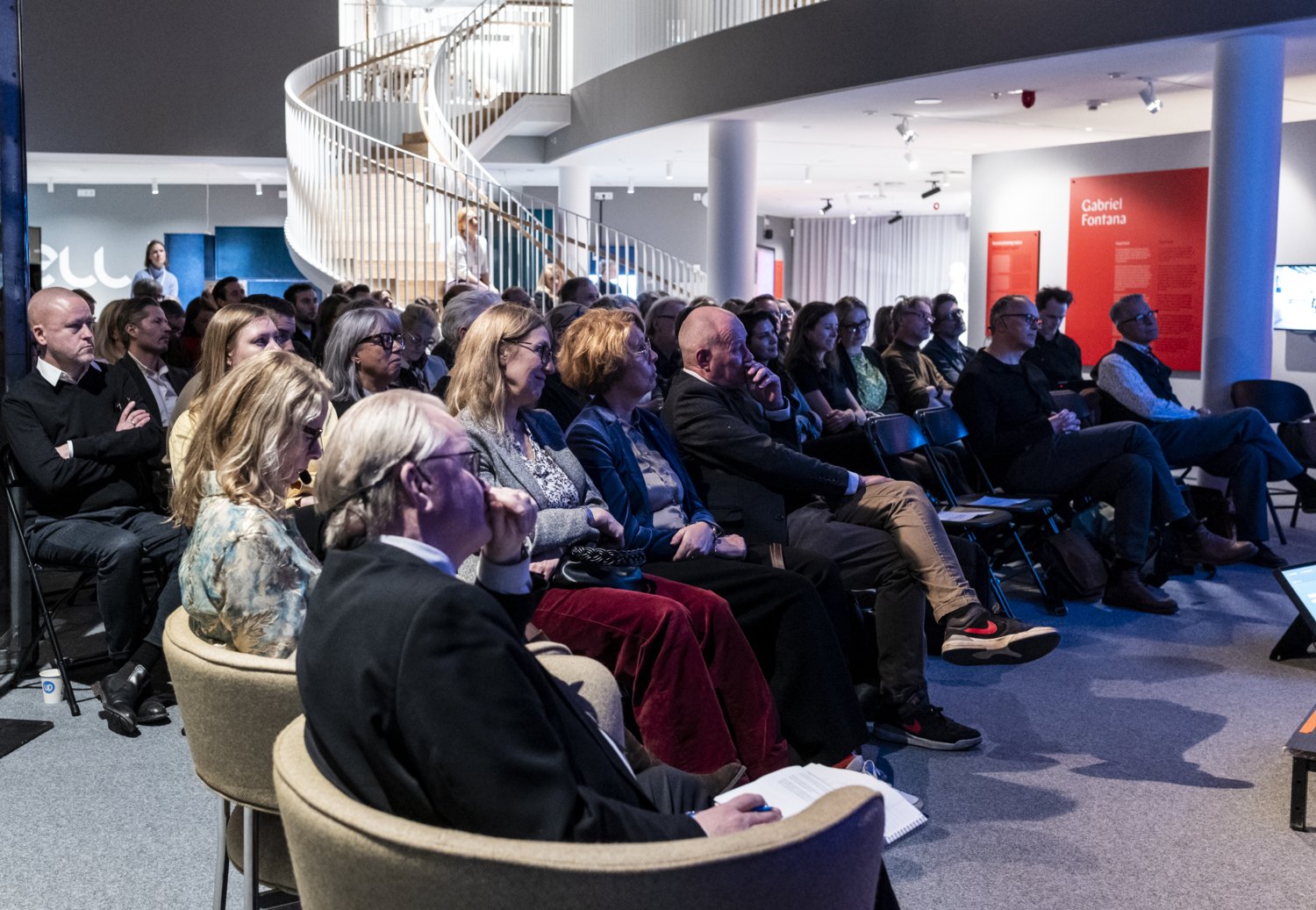
During a well-attended seminar at The Cell, leading politicians, including Minister Lotta Edholm, and researchers gathered for talks about crisis preparedness, what it takes to build a resilient society and about the universities' important role in this work. The seminar was organised by the University Alliance Stockholm Trio, where KI is a member, and Stockholm Science City.
The seminar Preparedness – knowledge for a resilient society at The Cell was the first in a series on crisis preparedness. The aim is to show how research can contribute to increased understanding and ability to act on issues related to crises, security and societal preparedness.
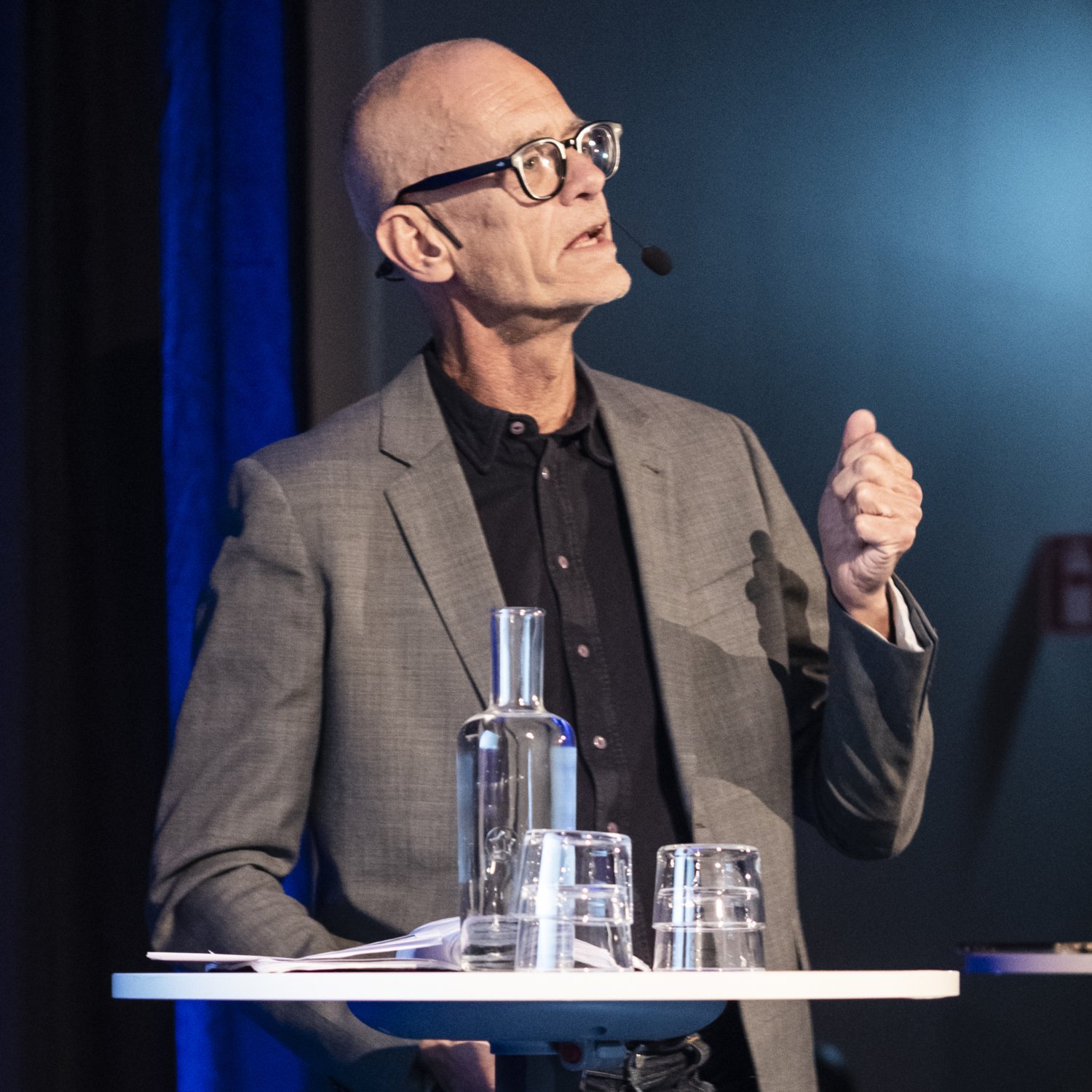
During the evening, several researchers from the university alliance spoke, including Predrag Petrovic, associate professor and consultant psychiatrist at KI, and Johan von Schreeb, professor of global disaster medicine at KI, followed by a discussion with Minister for Upper Secondary Education, Higher Education and Research Lotta Edholm (L), and Chair of the Defence Committee Peter Hultqvist (S).
Closer collaboration needed
If Sweden were to be hit by a crisis, universities have several important tasks. During the presentations and conversations with politicians, the role of universities as an independent link between knowledge and society's various institutions was highlighted. Several of the researchers also mentioned the need for closer collaboration between universities and Swedish authorities.
Lotta Edholm agreed that the Swedish authorities need to become better at collaborating and listening to each other, and reflected on the researchers' analyses and the role of universities in crisis situations.
“There are an incredible number of thoughts that arise when you listen to this. An important factor in strengthening individuals' sense of being able to achieve things themselves is a well-functioning education system, which gives people both the knowledge and the confidence to question facts from a scientific perspective,” said Lotta Edholm after the panel discussions. ”Free research is becoming so incredibly important in the society we live in, and I also believe that the individuals in such a system become stronger and dare to use their knowledge in a crisis.”
Leadership in everyday life
Peter Hultqvist also discussed how a society should cope with a crisis or war situation and what role research and education have:
“I took note of the fact that thinking is an important infrastructure. Humans have the will and opportunity to think independently, but this requires education. Knowing one's history and having one's values is crucial, and creates an ability to lead in everyday life. If you can apply that thinking in a broader perspective to the whole of society, then you create perseverance. This requires that there is a knowledge base and an educational base, and that we maintain a scientific basis.”
The news item is based on an article from KTH.
About the organisers
The University Alliance Stockholm Trio
Stockholm Trio is a partnership between Karolinska Institutet, KTH Royal Institute of Technology and Stockholm University. The University Alliance strengthens collaboration, promotes interdisciplinary research and education, and supports joint action regionally, nationally and internationally.
Stockholm Science City
The Stockholm Science City Foundation works to promote the development of life science and innovation environments, with the vision that Stockholm will be Europe's most attractive university capital for research, education and entrepreneurship. The foundation is funded by Karolinska Institutet, KTH Royal Institute of Technology and Stockholm University, together with the City of Stockholm and Region Stockholm.