
Exploring youth mental health and social media in Indonesia through a Minor Field Studies experience
With the support of a Minor Field Studies (MFS) grant, master's student in Public health Nabilah Amalina Rozi travelled to Indonesia to explore how young people perceive mental health and the support they need. Her study highlights the importance of involving youth in conversations and decisions that affect their lives.
Public health master's student Nabilah Amalina Rozi spent parts of the past spring semester in Indonesia for her Minor Field Studies project focusing on a topic that sits at the intersection of her professional interests and personal background: youth mental health and social media use in Indonesia.
Bringing youth perspectives into research
Having worked in child and adolescent mental health, she had seen how social media has become a significant part of young people's everyday lives. At the same time, she felt there was a need to better understand how young people themselves view mental health, and what types of support they believe would be most meaningful.
For Nabilah, it was important not only to study young people, but also to listen to them and centre their perspectives in the research process.
The project also gave her an opportunity to contribute Indonesian perspectives to a broader international research discussion. As an Indonesian herself, she saw the study as a way of bringing local experiences and voices into a global conversation about youth mental health and wellbeing.
Understanding young people's experiences
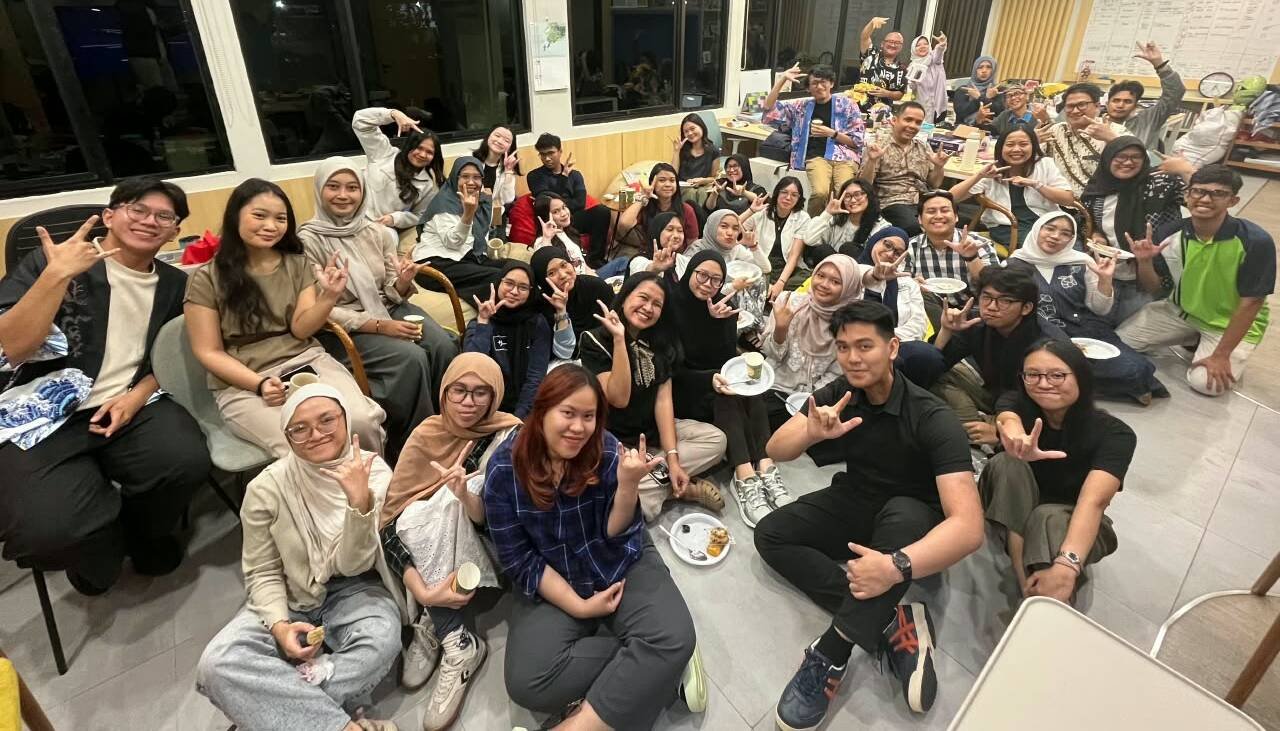
To explore these questions, Nabilah conducted a series of focus group discussions with young people in Indonesia. The method allowed participants to discuss shared experiences and generate a broad range of perspectives, creating a richer understanding of how social media and mental health are experienced in their daily lives.
The material was then analysed using Reflexive Thematic Analysis (RTA), an approach that helped preserve the context and complexity of participants' experiences while recognising the role of interpretation in qualitative research. To support the process, she used NVivo to organise codes, themes, and research materials.
“I Matter and I Should Be Listened To”
Among the study's findings, one insight stood out in particular. The discussions repeatedly reflected a message that can be summarised as: “I matter and I should be listened to.” The participants also perceived they had the capabilities to help and be a part of the solutions, such as being a part of a trained peer support or developing a youth community that is productive as an alternative to social media use.
In a context where decision-making can often be shaped by hierarchical structures, this finding highlighted the importance of ensuring that young people are actively involved in discussions that concern them.
According to Nabilah, this should not be interpreted as young people always being right. Rather, it is a reminder that their perspectives deserve to be heard and considered in research, policy development, and intervention design.
Contributing to future research and practice
The first findings suggested that youth perceived that mental health and social media use is related to and influence one another. There may be differences between how young people and professionals define and understand healthy social media use, highlighting the need for further dialogue and research that includes youth perspectives.
The study also emphasises that support for young people's mental health needs to be provided at multiple levels. From friends, families, and schools to policies and access to resources, a broad range of actors have a role to play in creating supportive environments for young people.
These insights can help inform future research and intervention development, particularly approaches that involve multiple stakeholders in a young person's life.
An experience beyond research
For Nabilah, the MFS experience was about more than conducting fieldwork. It provided an opportunity to develop her research skills, contribute knowledge to an important area of study, and bring Indonesian perspectives into an international discussion.
Most importantly, the experience reinforced a message that emerged throughout the project: when developing research, policies, and interventions that affect young people, their voices matter and deserve to be heard.
Interested in Minor Field Studies?
Minor Field Studies (MFS) offers students the opportunity to conduct fieldwork in low- and middle-income countries while gaining valuable international experience and contributing to research linked to global development. Interested in conducting fieldwork abroad through Minor Field Studies? Visit the official MFS website for more information.