
EDCTP3 highlights Professor Eleni Aklillu among leading global health researchers
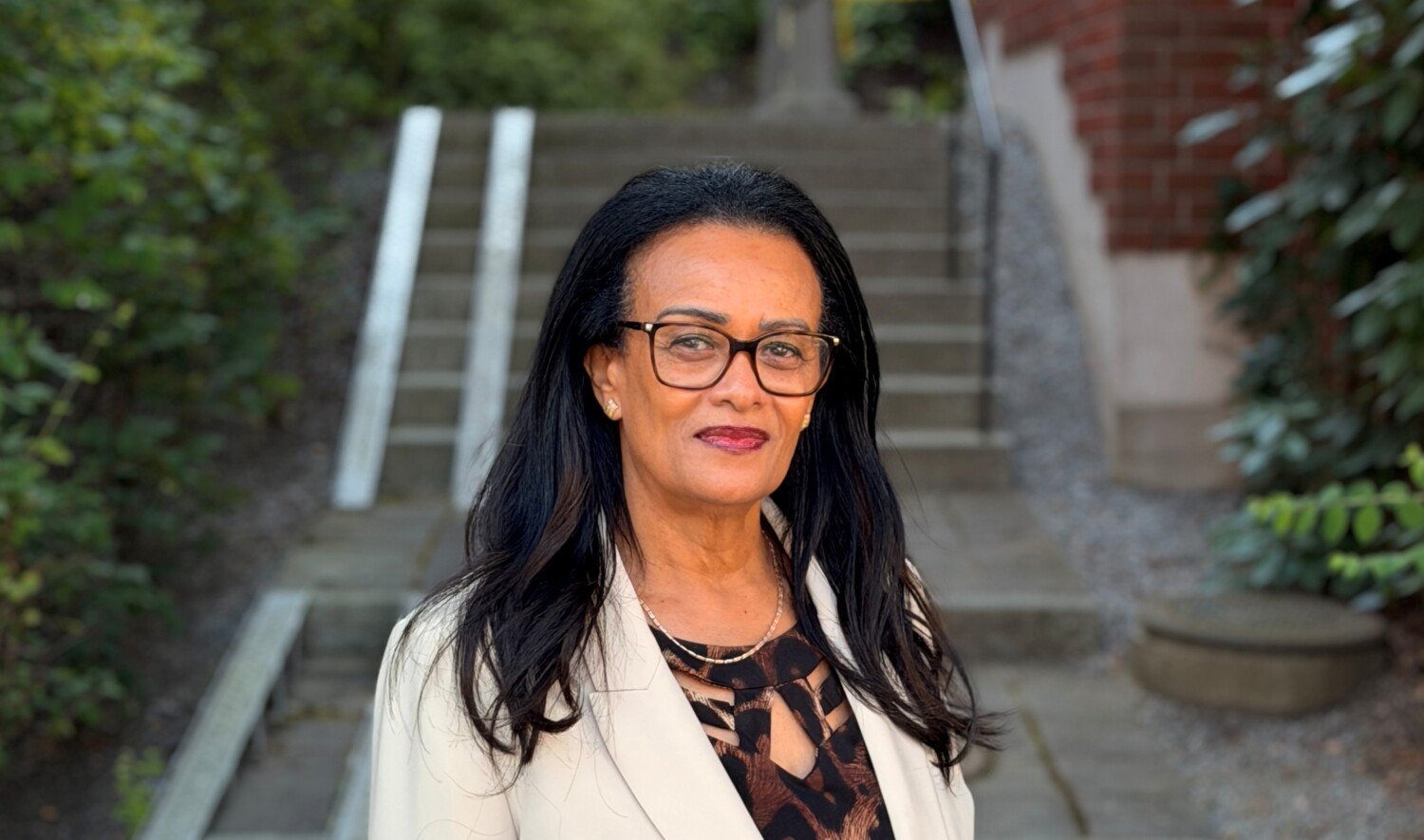
Eleni Aklillu, professor of global health pharmacology at GPH, has been named among ten EDCTP-supported leaders driving progress in global health research and innovation. The feature highlights Professor Aklillu's longstanding contributions to pharmacovigilance, clinical pharmacology and regulatory science, as well as her leadership in strengthening research and regulatory capacity across Africa.
Through the EDCTP2-funded PROFORMA project and, more recently, as coordinator of the BREEDIME project under Global Health EDCTP3, she has played a key role in advancing pharmacovigilance systems, regulatory preparedness and ethical review capacity in several African countries.
Professor Eleni Aklillu’s inclusion among a select group of EDCTP-supported leaders reflects the importance of international collaboration and capacity strengthening, both of which are essential for advancing global health research and preparedness for future public health challenges.
In light of this recognition, Professor Aklillu, research group leader at the Department of Global Public Health, KI, reflects on her journey, the impact of these projects, and the importance of international partnerships in advancing global health research.
What does it mean to you to be recognised by EDCTP3 as one of the leaders driving progress in global health research and innovation?
“It is a great honour to be recognised by EDCTP3 among a group of researchers who are contributing to advances in global health. I see this recognition not only as a personal achievement but also as a reflection of the dedication and collaborative efforts of colleagues, institutions and partners across Europe and Africa with whom I have had the privilege to work with over the years. This recognition highlights reinforces the importance of investing in scientific excellence, capacity strengthening and equitable partnerships to address pressing global health challenges. It also reaffirms my commitment to advancing equitable global health research that addresses local and global health priorities and delivers tangible benefits for patients and communities. Most importantly, I hope this recognition inspires the next generation of researchers, particularly in Africa, to pursue innovative solutions to pressing public health challenges.”
Looking back at PROFORMA and BREEDIME, what achievements are you most proud of, and what lasting impact do you hope these initiatives will have?
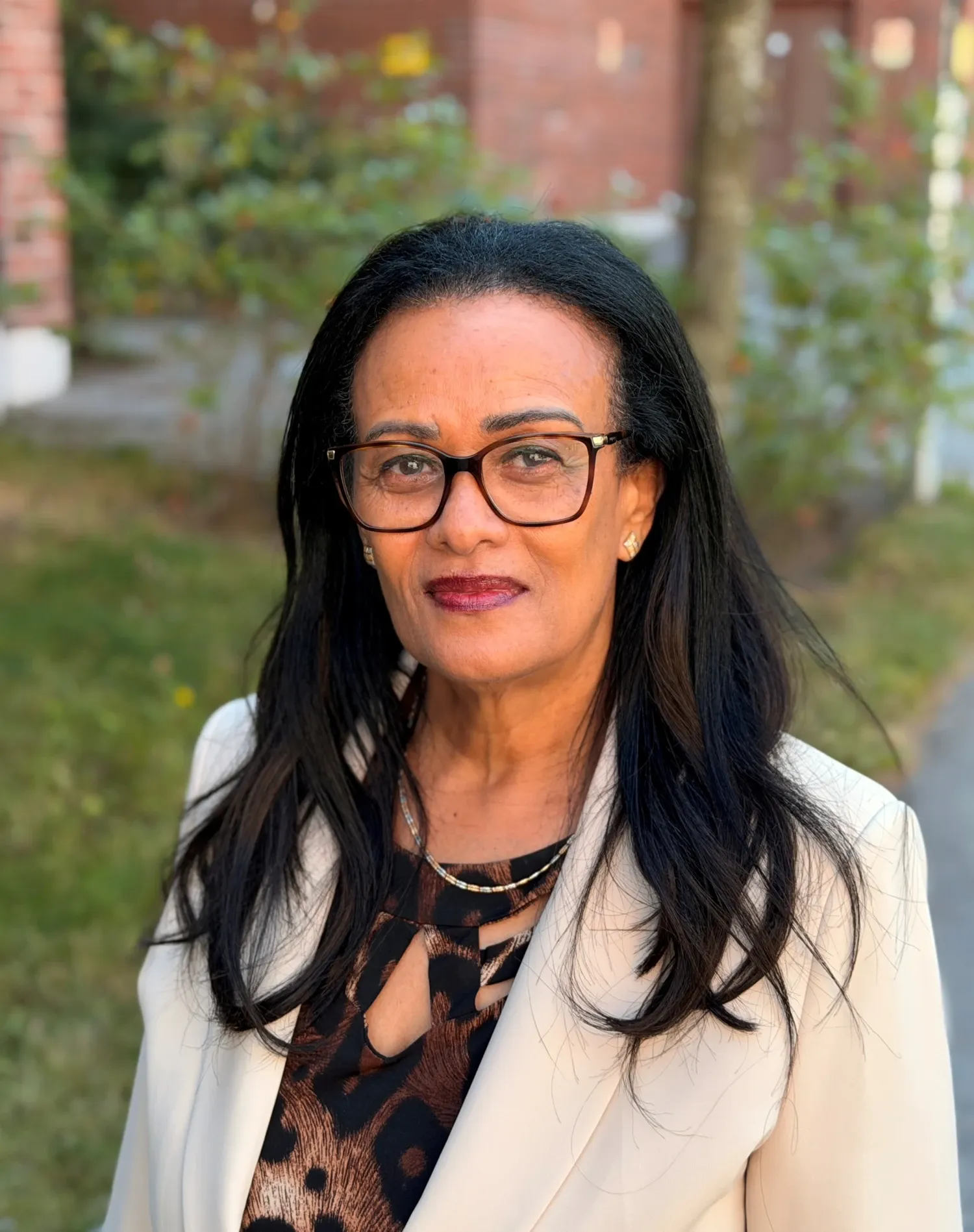
“I am particularly proud of the contribution these projects have made to strengthening pharmacovigilance systems, regulatory preparedness and clinical research capacity in several African countries. Through PROFORMA and BREEDIME, we have supported training, infrastructure development and regional collaboration, helping to build sustainable systems that can improve medicine safety and public health decision-making.”
“PROFORMA strengthened pharmacovigilance and post-marketing surveillance systems, as well as clinical trial and regulatory capacity in Ethiopia, Kenya, Rwanda, and Tanzania. The project also supported the development of undergraduate and postgraduate curricula and the training of five PhD graduates at Karolinska Institutet who now hold influential positions in national regulatory authorities, regional organisations, and the World Health Organization. Through their leadership, they are advancing medicines safety surveillance, regulatory decision-making, public health policy, and institutional capacity strengthening across Africa.”
“BREEDIME built on this foundation by enhancing regulatory and ethics capacity, clinical trial oversight, and public health emergency preparedness in Rwanda, mainland Tanzania, and Zanzibar. Equally important are the strong networks and collaborations established among researchers, regulatory authorities, ethics committees, and public health institutions. My hope is that the expertise, institutional capacity, and partnerships developed through these initiatives will continue to strengthen locally led and sustainable systems that safeguard public health and respond effectively to emerging challenges. Ultimately, I hope their impact and lasting legacy will be stronger and more equitable research partnerships, enhanced local capacity, increased scientific leadership within Africa, and more resilient health systems that are better equipped to address future public health threats and emergencies.”
International collaboration has been a key part of your work. What factors are most important for building sustainable and equitable research partnerships between Europe and Africa?
“Sustainable and equitable partnerships are built on mutual respect, trust, transparency, and shared ownership of goals and outcomes. Research priorities should be jointly defined and aligned with local needs as well as national and global health agendas. Partnerships should also invest in capacity strengthening, ensuring that resources, leadership opportunities, and scientific recognition are shared fairly among all collaborators. Long-term commitment, open communication, and valuing the expertise that each partner brings are critical for creating relationships that move beyond individual projects and contribute to lasting scientific and public health impact.”
“Equity must be reflected in fair funding, shared governance, opportunities for scientific leadership, and meaningful capacity strengthening. African institutions should be equal partners in setting research priorities, leading scientific activities, managing resources, and translating findings into policy and practice. Long-term investment in people, institutions, and research infrastructure is essential. Strong partnerships should create opportunities for lasting institutional development and generate impact that extends well beyond the duration of individual projects. When European and African partners contribute as equals and learn from one another, collaborations become more impactful, sustainable, and better positioned to address global health challenges.”
Global Health EDCTP3
Global Health EDCTP3 (European & Developing Countries Clinical Trials Partnership 3) is a European-African partnership supported by the European Union and more than 45 countries. It funds global collaborative research, clinical trials, and capacity-building initiatives to accelerate the development and implementation of innovative solutions to prevent, detect, treat and monitor infectious diseases in sub-Saharan Africa.
Through Horizon Europe, Global Health EDCTP3 funds projects that strengthen the African clinical research ecosystems, improve health outcomes, and enhance global health security.