
KI-coordinated BREEDIME Project Strengthens Regulatory Capacity in East Africa
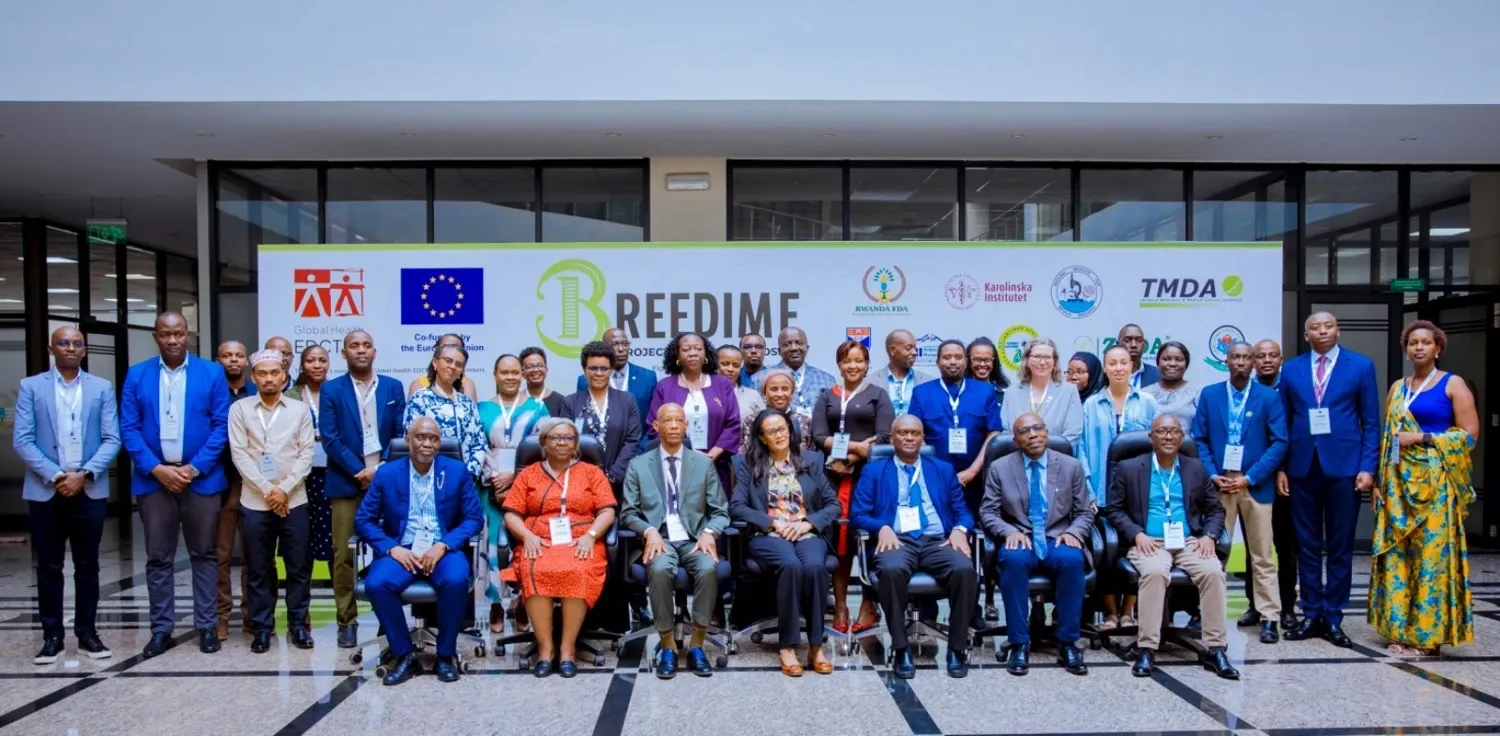
On 4–6 May 2026, the EU-funded EDCTP3 project BREEDIME concluded with a three-day stakeholder meeting and final symposium in Kigali, Rwanda, bringing together regulators, researchers and partners from across East Africa for a final exchange and reflection.
Hosted by the Rwanda Food and Drugs Authority (Rwanda FDA), the event marked the culmination of three years of collaboration to strengthen regulatory systems and research ethics capacity in mainland Tanzania, Zanzibar and Rwanda.
Coordinated by Karolinska Institutet (KI) and led by Professor Eleni Aklillu at the Department of Global Public Health, the BREEDIME project has focused on building resilient systems for clinical trial oversight, diagnostics evaluation and medicines regulation—both in routine settings and during public health emergencies.
From project results to real-world systems
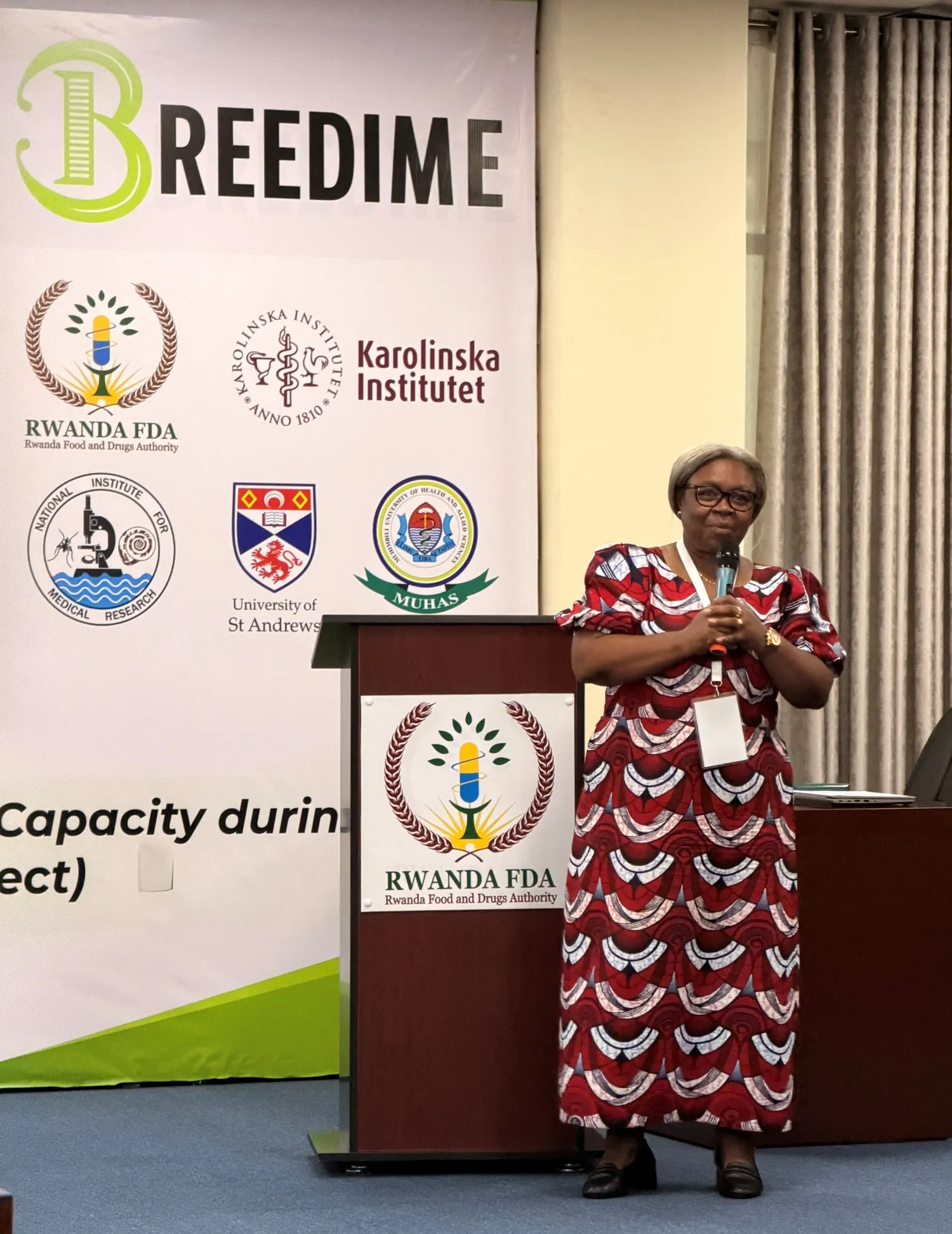
The meeting opened with a stakeholder forum on 4 May, where participants reviewed key outputs and discussed how the project’s tools and frameworks can be sustained and embedded into national systems.
Presentations highlighted strengthened regulatory and ethics processes, improved clinical trial oversight, and enhanced capacity to evaluate diagnostics and medical devices.
A central theme throughout the discussions was sustainability—how to ensure that the progress achieved under BREEDIME continues to deliver value beyond the project’s lifetime.
Showcasing achievements and shared learning
The two-day closure symposium provided an in-depth review of the project’s results and overall impact, bringing together technical sessions and forward-looking discussions. Opening remarks from Rwanda FDA, the Tanzania Medicines and Medical Devices Authority (TMDA), and KI set the tone for the program.
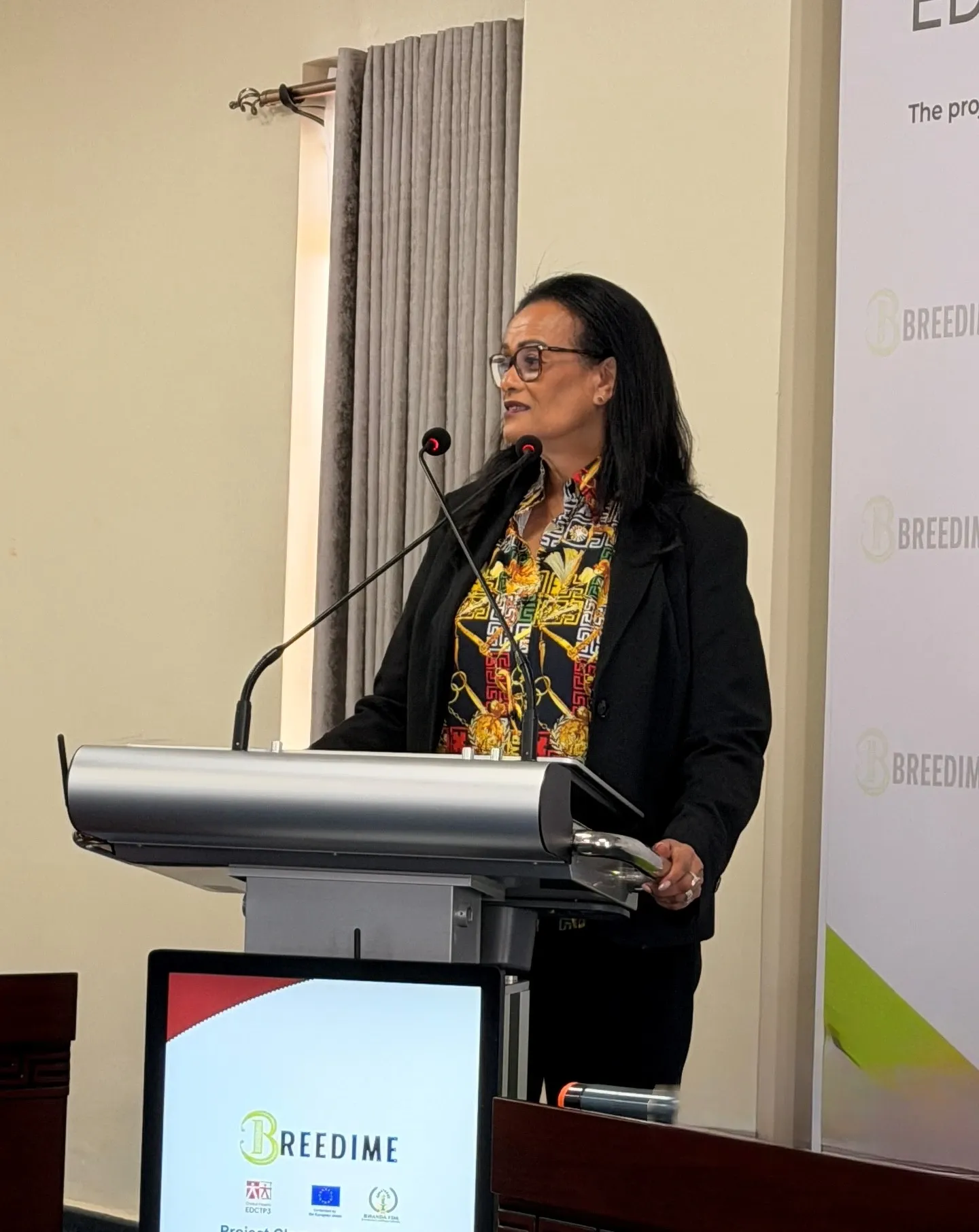
Consortium partners highlighted key achievements, including the development of regulatory guidelines and SOPs for emergency clinical trial evaluation, strengthened systems for diagnostics and medical device assessment, improved frameworks for health data access and management, and enhanced post-marketing surveillance mechanisms.
A dedicated panel session raised a simple but powerful question: “What did BREEDIME change?”. Participants pointed to stronger institutional capacity, closer collaboration between regulatory authorities, and increased preparedness to respond to future public health emergencies.
Strong results and a foundation for the future
Evaluation findings show that the project has contributed to more resilient regulatory systems, strengthened professional expertise, and deeper regional collaboration.
Importantly, the experience has also generated valuable lessons for future initiatives—highlighting the importance of coordinated implementation, integrated approaches, and ensuring that capacity-building efforts are closely linked to practical application.
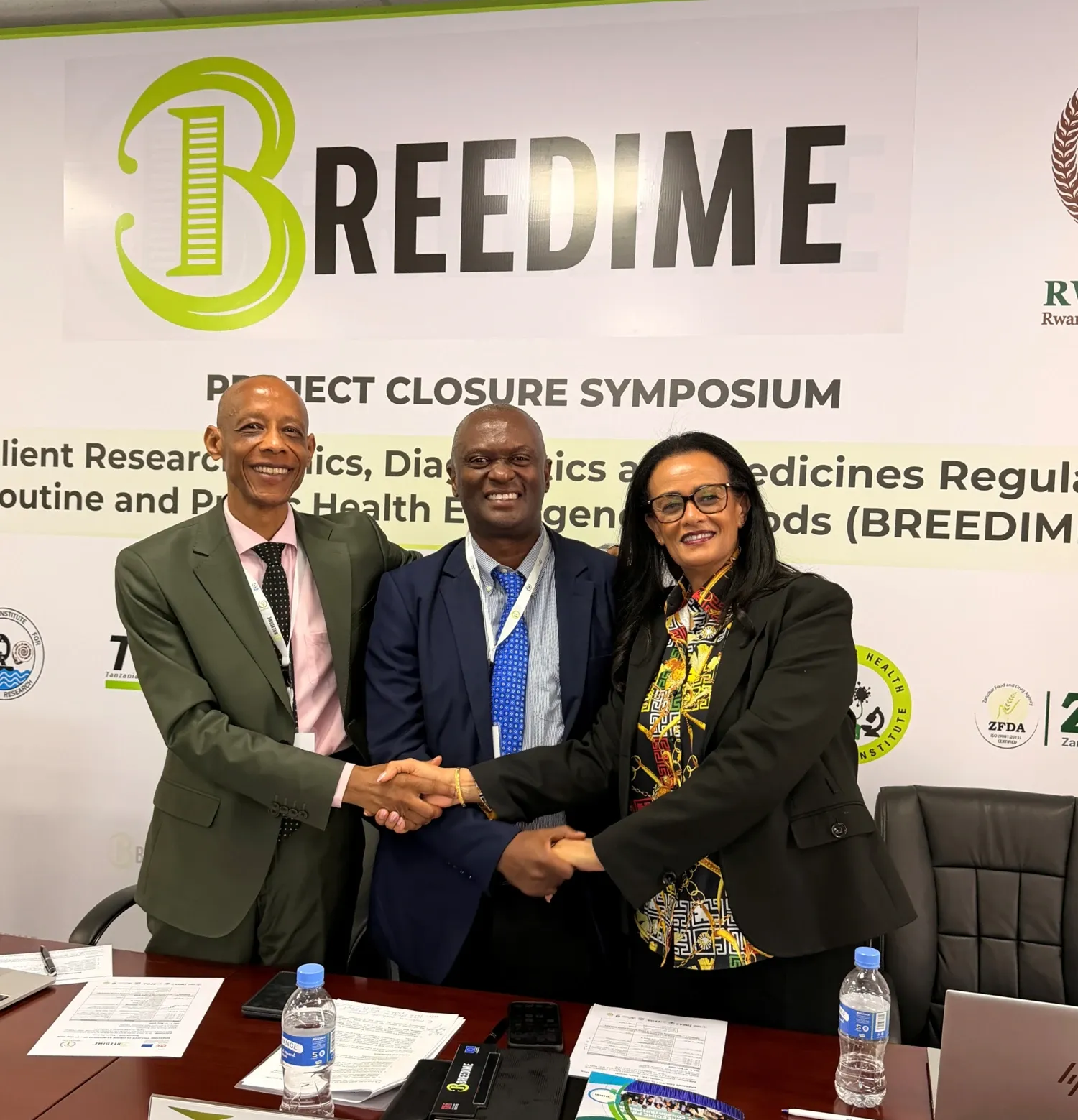
As the BREEDIME Project formally concludes, the focus now shifts to sustainability, uptake and scale-up. Partners emphasised the need to institutionalise project outputs, maintain regional collaboration, and continue investing in capacity development.
“As the project comes to an end, it leaves behind a solid foundation for strengthened regulatory systems and improved preparedness to respond to future public health emergencies in the region,” Professor Eleni Aklillu concludes, as she reflects on the project’s outcomes and lasting impact.
The BREEDIME Project
The BREEDIME Project brings together a strong consortium of regulatory authorities, research institutions and universities, including Tanzania Medicines & Medical Devices Authority (TMDA), Rwanda Food and Drugs Authority (Rwanda FDA), Zanzibar Food and Drug Agency (ZFDA), Kilimanjaro Clinical Research Institute (KCRI), Muhimbili University of Health and Allied Sciences (MUHAS), National Institute for Medical Research in Tanzania (NIMR), Zanzibar Health Research Institute (ZAHRI), University of St Andrews (UStAn), and Karolinska Institutet (KI).
The project is supported by Global Health EDCTP3 and its members.
Previous news articles about the project:
Annual BREEDIME project consortium meeting held in Zanzibar | Karolinska Institutet
KI coordinates a new EU-funded project in East Africa | Karolinska Institutet