
Anaemia linked to increased cancer risk
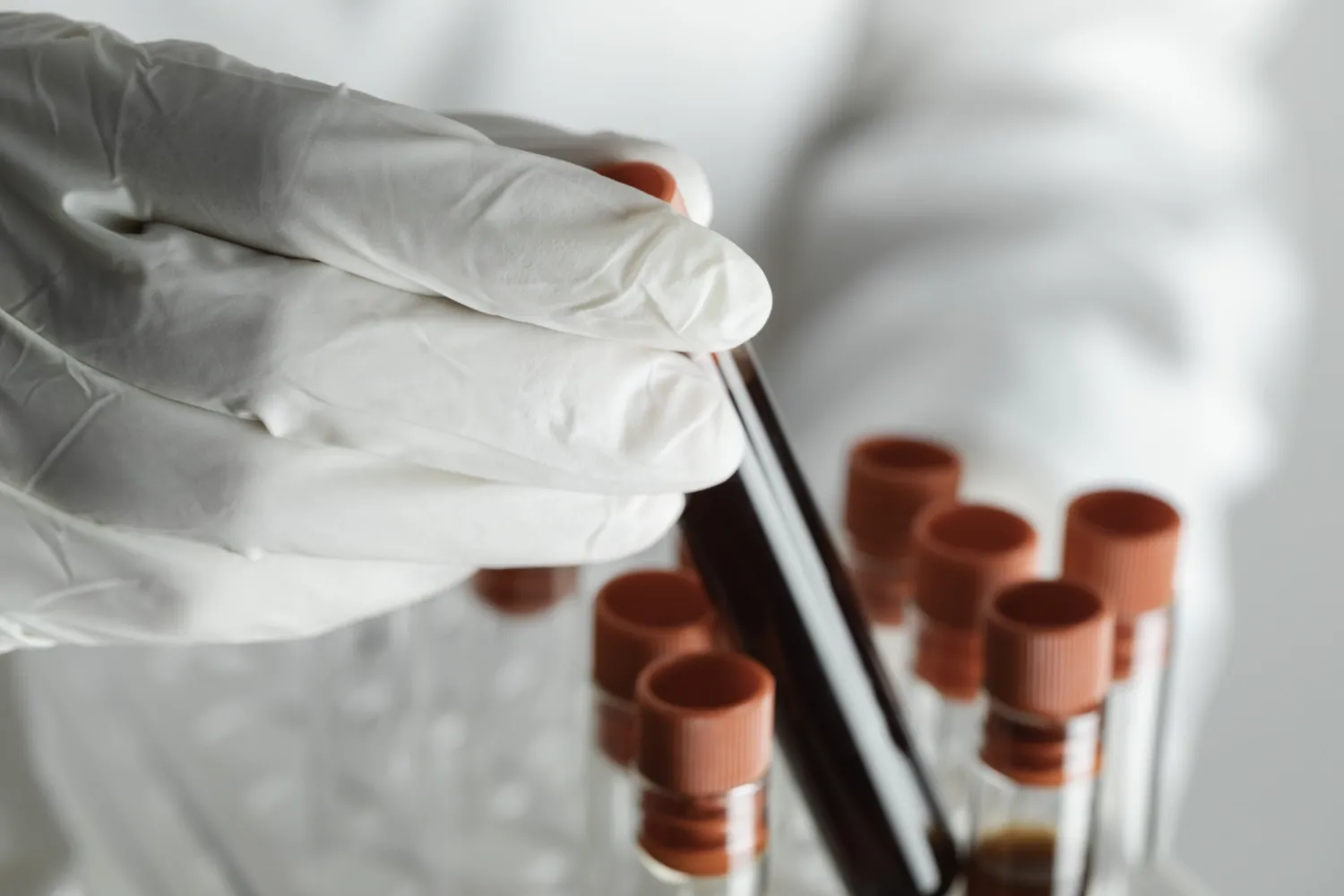
Anaemia detected in healthcare is associated with an increased risk of both cancer and higher mortality. This is shown in a new population-based study from Karolinska Institutet, published in BMJ Oncology. The findings may help guide clinical follow-up of patients with anaemia in routine care.
Anaemia is common among patients in healthcare and is defined by haemoglobin levels below the normal range. In this study, the researchers analysed the association between newly detected anaemia and the risk of cancer and mortality, and examined whether different types of anaemia, classified by the size of red blood cells, play a role.
The study is based on register data from the Stockholm Early Detection of Cancer Study (STEADY‑CAN) and includes almost the entire adult population of Stockholm County between 2011 and 2021. In total, just over 190,000 adults with newly detected anaemia were included, along with an equal number of age- and sex-matched individuals without anaemia. All participants were over 18 years of age and cancer-free at study entry.
The participants were followed for up to 18 months after anaemia was detected. During this period, 6.2 per cent of men and 2.8 per cent of women with anaemia developed cancer. The corresponding figures among individuals without anaemia were 2.4 per cent and 1.1 per cent, respectively. Mortality was also higher in the group with anaemia.

“We found that both the risk of cancer and the risk of death are highest during the first months after anaemia is detected, but that the increased risk persists later during follow-up as well,” says Elinor Nemlander, researcher at the Department of Neurobiology, Care Sciences and Society, Karolinska Institutet, and first author of the study.
Type of anaemia matters
The study also shows that the type of anaemia is important. Individuals with small red blood cells, known as microcytosis, had a particularly high risk of cancer, especially cancers of the gastrointestinal tract and the haematopoietic system. By contrast, individuals with large red blood cells, macrocytosis, showed a stronger association with increased mortality, but not with cancer to the same extent. Red blood cell size is measured using the laboratory value MCV, which is included in routine blood tests.
“Our findings suggest that anaemia may be a sign of underlying disease rather than a condition in its own right. Blood tests that are already part of routine care can provide important information about which patients need closer follow-up,” says Elinor Nemlander.
The study was conducted in collaboration between researchers at Karolinska Institutet, Karolinska University Hospital and Uppsala University, and primary care in Region Stockholm. The research was funded by the Einar Belvén Foundation, Region Stockholm, the Stockholm-Gotland Regional Cancer Centre, and the Swedish Lung Cancer Society. The authors declare no conflicts of interest.
Publication
"Incident anaemia as a marker of cancer and all- cause mortality: evidence from 380 114 adults in the population- based Stockholm Early Detection of Cancer Study (STEADY- CAN) cohort", Elinor Nemlander, Eliya Abedi, Jan Hasselström, Per Ljungman, Andreas Rosenblad, Axel Carlsson, BMJ Oncology, online 6 April 2006, doi: 10.1136/bmjonc-2025-001038.