
Prestigious SciLifeLab Fellowship awarded to Florian Rosenberger
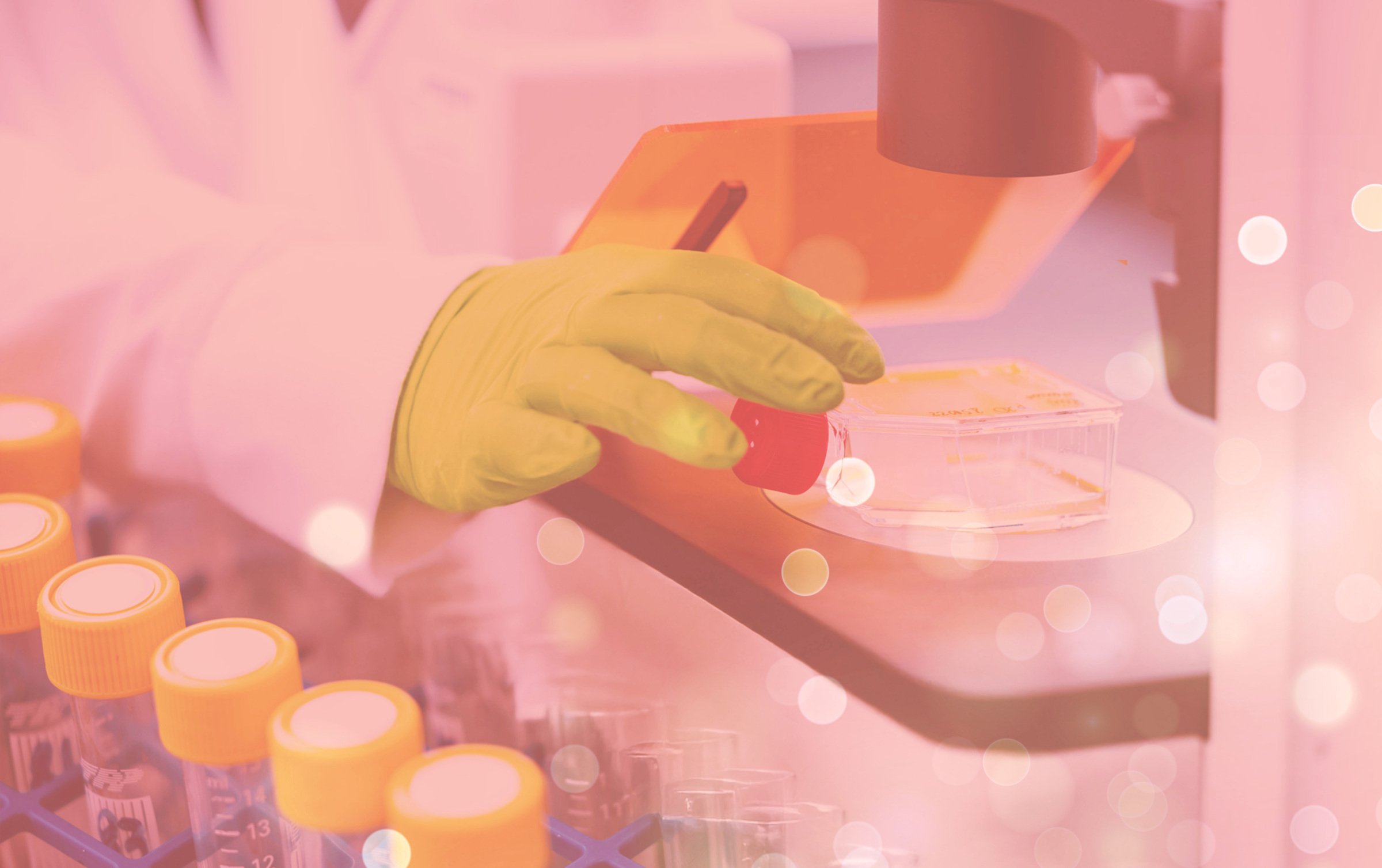
Florian Rosenberger, Assistant Professor at the Department of Medical Biochemistry and Biophysics (MBB), has been awarded a prestigious SciLifeLab Fellowship. The fellowship comes with substantial research funding, and access to the SciLifeLab community, creating new opportunities for collaboration and scientific development.
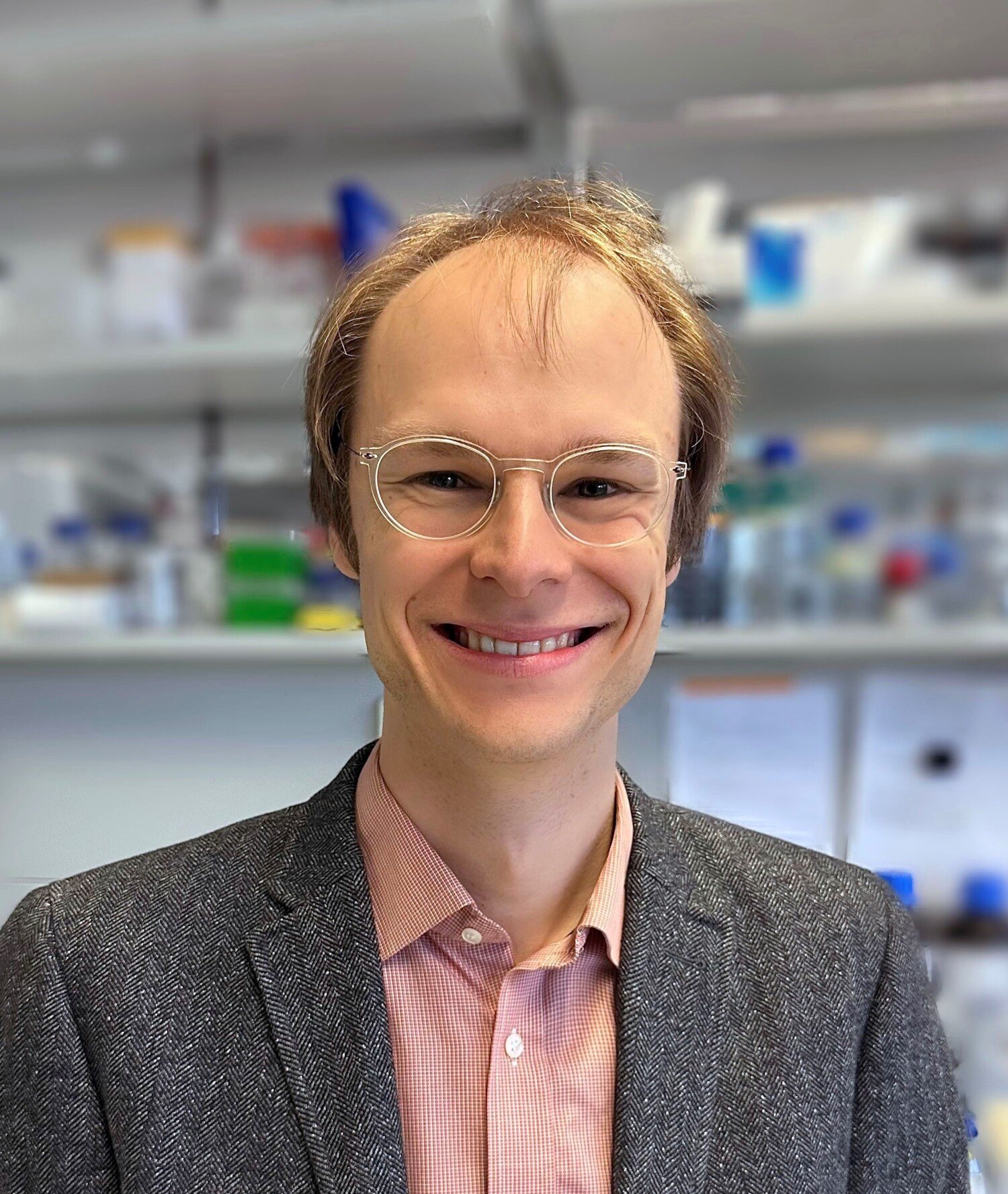
“The SciLifeLab Fellowship comes with an Assistant Professor position at Karolinska Institutet and a very generous research package. Just as important, it connects my group to the SciLifeLab community. This gives us natural points of contact for collaboration, new funding opportunities, and a lot of visibility at a stage when a young group needs it most,” says Florian Rosenberger.
Rosenberger’s research group develops technologies in spatial single-cell proteomics using mass spectrometry, an approach known as Deep Visual Proteomics. The technology makes it possible to analyze the protein composition of tissues one cell at a time, providing researchers with unprecedented insight into how different cell types function:
“Technology development is slow and risky, and it does not always fit into short project grants. The fellowship gives me the time and resources to take those risks.”
The research focuses on understanding how mitochondrial function differs between cell types and why mitochondrial diseases affect tissues in such specific and often unpredictable ways.
“The question that excites us most is why different cell types have such specific demands on mitochondrial activity and protein composition, and why mitochondrial diseases show such a striking, and difficult-to-predict, tissue specificity,” Florian explains.
The fellowship will allow the team to further develop and automate its spatial proteomics workflows, making it possible to analyze a much larger number of samples and accelerate the pace of discovery:
“We now have the freedom to develop and automate the spatial proteomics workflow so that we can analyze many more samples, much faster, and shorten the cycle from question to answer to the next question”.
Looking ahead, Florian is eager to see where the fellowship will take his team and the field.
“We as a team are now heavily brainstorming and implementing ideas to scale the workflows, and I am so curious where we will land. And of course, I am excited to see the cell-type resolved data that will contribute to the big questions: Why are mitochondrial diseases cell-type specific?”, Florian concludes.