

New thesis explores how DNA repair and metabolism shape immune responses
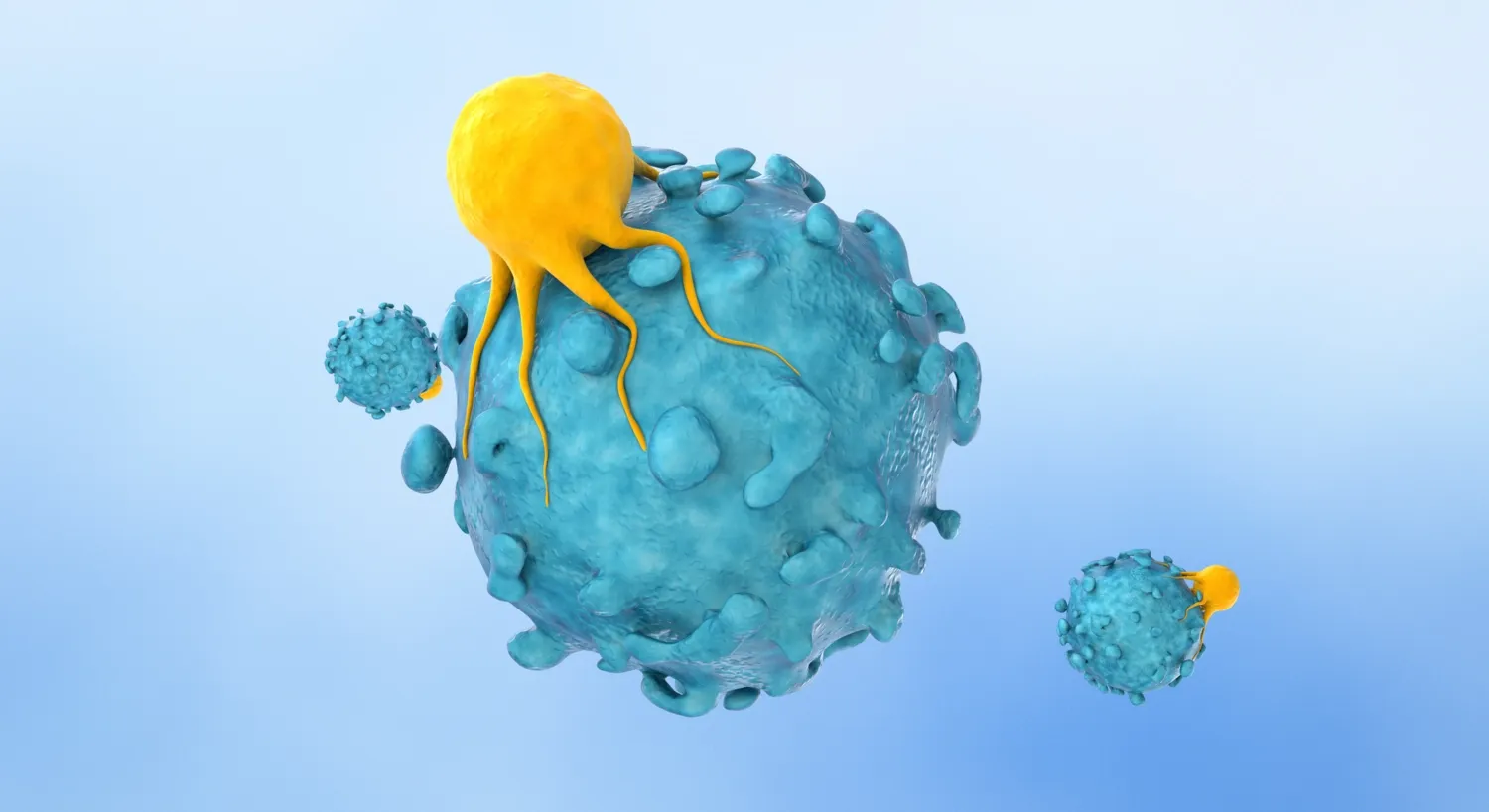
Drugs that target DNA repair and metabolism may help either boost anti-tumour immunity or suppress harmful inflammation, depending on the disease. In her doctoral thesis at Karolinska Institutet, Jianyu Shen investigated how these cellular processes influence immune responses in cancer and autoimmune disease.

The immune system must maintain a delicate balance. If immune responses are too weak, cancer cells can evade detection and continue to grow. If they become overactive, the immune system may attack healthy tissues, leading to autoimmune diseases such as rheumatoid arthritis.
We asked Jianyu Shen, doctoral student at the department of oncology-pathology, to tell us more about her thesis.
What is the focus of your thesis?
My thesis investigates how DNA damage-associated processes and cellular metabolism can reshape immune responses. I focused on T cells in cancer and rheumatoid arthritis, where the goal is either to strengthen anti-tumour immunity or suppress harmful immune activation. I studied how targeting these cellular pathways affects inflammation and T-cell function. Overall, the thesis examines whether DNA repair and metabolism can be targeted to help modulate dysregulated immune responses in cancer and autoimmunity.
Which are the most important results?
One major finding is that the same pathway can have very different effects depending on the disease. In cancer, targeting tumour-cell stress and metabolism enhanced anti-tumour immunity by increasing the activity of T cells. In rheumatoid arthritis, we identified a metabolic pathway that supports harmful T-cell responses and found that inhibiting this pathway reduced inflammation. This context-dependent effect, suppressing damaging immune responses in autoimmunity while supporting beneficial immune responses in cancer, is one of the central messages of the thesis.
How can this new knowledge contribute to improving health?
These findings suggest that therapies targeting DNA repair and metabolism could be used not only to affect diseased cells directly, but also to shape immune responses. In cancer, such approaches could potentially be combined with immunotherapies to strengthen anti-tumour responses. In autoimmune disease, targeting metabolic pathways used by harmful T cells may offer a new way to reduce chronic inflammation and tissue damage.