

New thesis examines heart damage in severe sepsis
Elevated levels of the cardiac marker troponin in patients with sepsis are linked to a higher risk of death, both during the acute phase of the illness and in the longer term. This is shown in a new doctoral thesis from Karolinska. The findings highlight the importance of better risk assessment, clearer guidelines and more structured follow-up after sepsis.
Sepsis is a life-threatening condition in which the body’s response to an infection leads to damage to its own organs. Cardiac involvement is common in sepsis, but the mechanisms behind the damage are still not fully understood. In her thesis, “Cardiac troponin T elevation in patients with severe sepsis – underlying mechanisms and prognostic value”, Samantha Rutherford Lörstad has investigated what elevated levels of troponin, the most important blood marker for heart muscle damage, can reveal about patients’ risk and heart function during the illness.
Five different studies
The thesis is based on five studies in which the researchers analysed, amongst other things, the link between troponin levels, cardiac arrhythmias and survival. They also examined the coronary arteries and the function of the small blood vessels that supply the heart in patients with sepsis and elevated troponin.
The results show that patients with elevated troponin levels had an increased risk of death. The risk was elevated both during the acute phase of the illness and amongst those who survived the initial stage of the illness. The researchers also observed that the combination of atrial fibrillation and elevated troponin identified a group of patients at particularly high risk of dying within one year.

"I wanted to find out what an elevated troponin level actually means in patients with sepsis," says Samantha Rutherford Lörstad, a PhD student at the Department of Clinical Sciences, Danderyd Hospital. "Can it help us identify high-risk patients, and what lies behind the heart muscle damage?" she continues.
Cardiac effects of sepsis
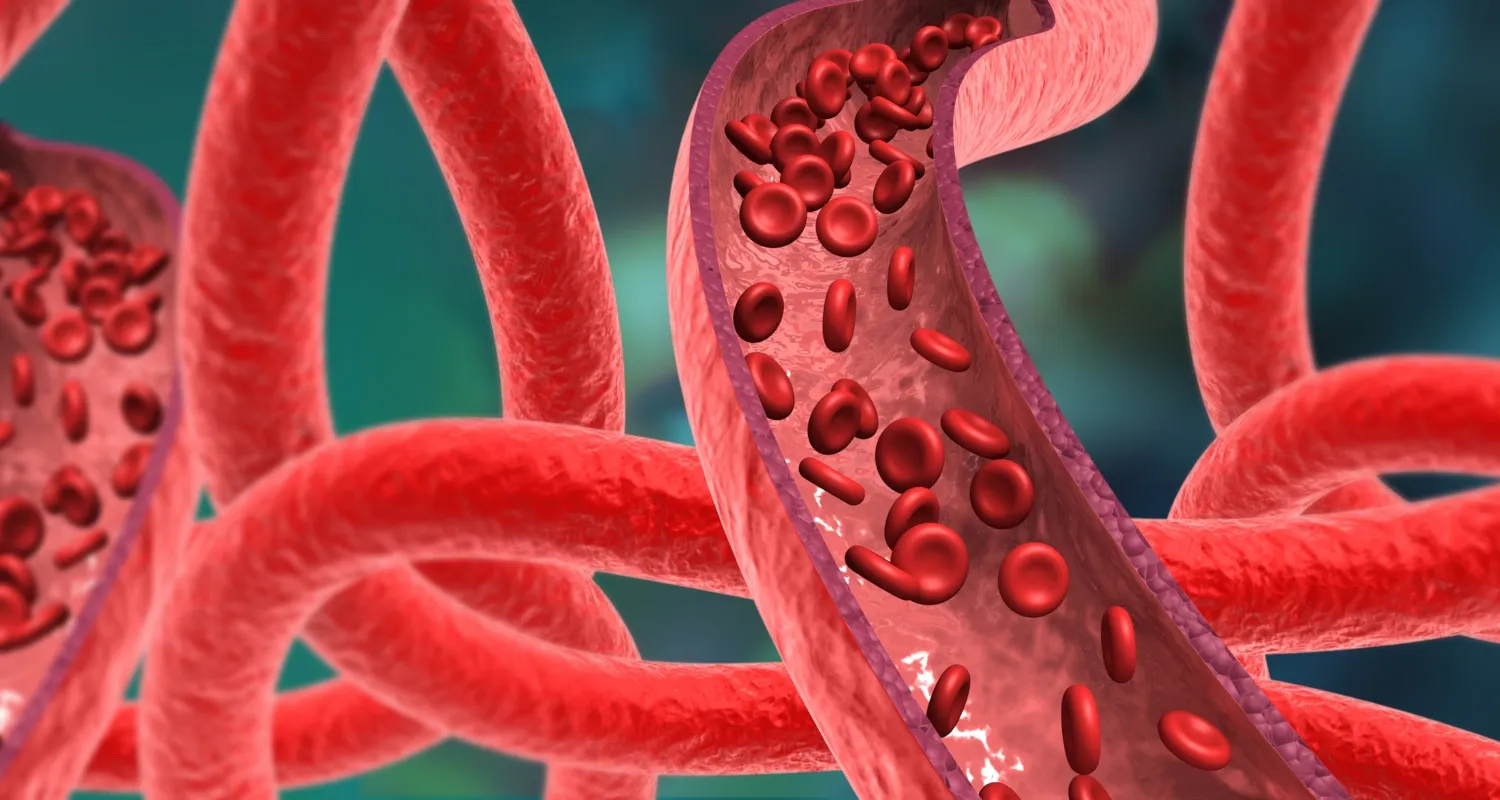
In the COMTESS study, advanced examinations of the heart’s coronary arteries were carried out in patients with sepsis and elevated troponin levels. The researchers identified previously undetected coronary artery disease and were able, for the first time, to show that disturbances in the heart’s microcirculation – the blood flow in the smallest vessels – were common in these patients.
"These findings show that cardiac involvement in sepsis is more multifaceted than we previously understood. They also raise the question of whether cardiovascular assessment and follow-up after sepsis should receive greater attention," says Samantha Rutherford Lörstad.
At present, there are no guidelines on how patients with myocardial damage associated with sepsis should be treated and followed up. According to the researchers, an elevated troponin level early in the course of the disease could help identify patients at increased risk in both the short and long term.
The thesis was supervised by Jonas Persson, Karolinska Institutet, Department of Clinical Sciences, Danderyd Hospital. The public defence will take place on 18 September 2026.