

KI Biobank, Comparative Medicine and new core facilities are now a part of RIKI

KI’s joint organisation for research infrastructure, RIKI, is welcoming more research infrastructures and core facilities. Staff now working within the organisation describe the transition process as smooth, but also highlight some challenges that have arisen along the way.
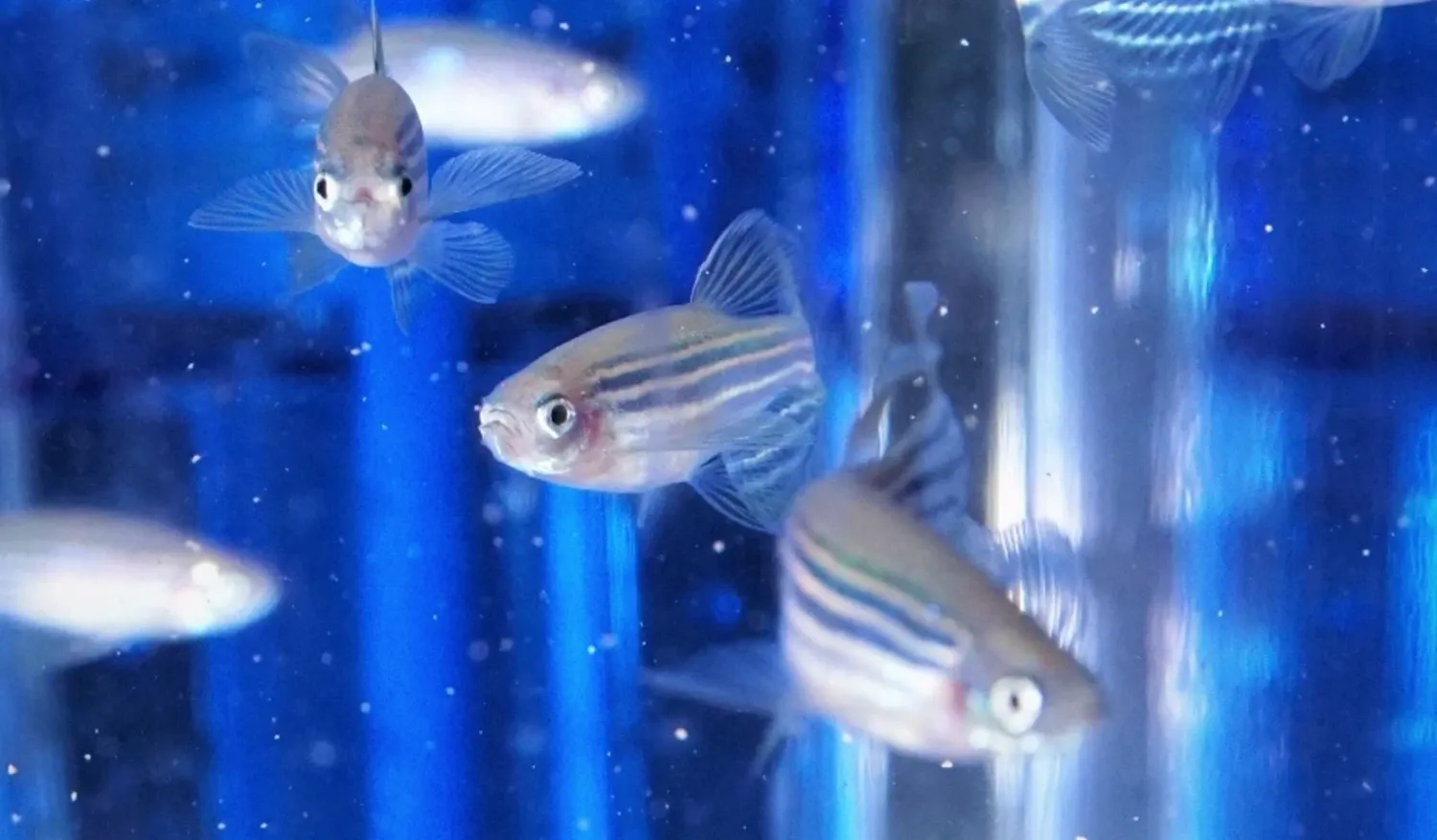
KI’s work to organise its research infrastructure continues. The restructuring is divided into five phases and will run until June 2027. Staff members from research infrastructures and core facilities who recently joined now share their experiences of entering their new organisational lodgings.
Lars Bräutigam, research infrastructure specialist and head of the Zebrafish Core Facility within the Comparative Medicine division, is positive about the change.
“It feels exciting to become part of RIKI and to have the opportunity to get closer to other core facilities,” he says.
The expectations largely concern coordination and use of resources. According to Lars Bräutigam, RIKI creates better conditions for sharing resources and making more strategic investments in a structured way. He describes the transition process itself as largely smooth and without any significant changes that have affected operations.
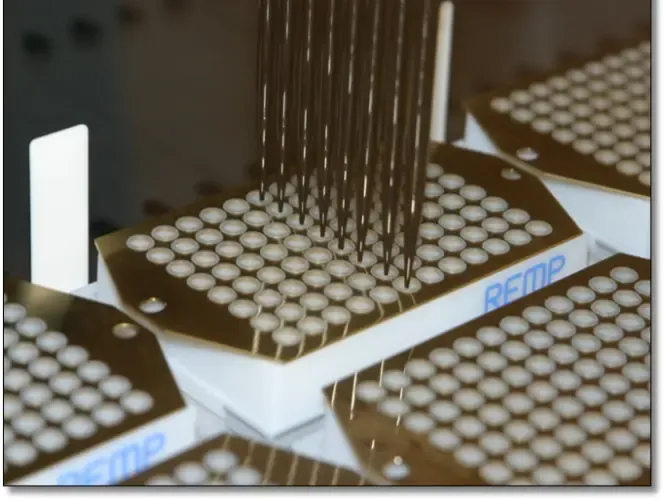
Thomas Källman, head of unit at the KI Biobank – one of the first core facilities to join – shares the view of a relatively smooth transition, but notes that the Biobank’s complex IT environment has created some challenges.
"Overall, smoother than expected, but the Biobank’s complex IT environment has caused a few headaches. As we were among the first core facilities to join RIKI, there have been a few minor teething problems," says Thomas Källman.
He still sees clear advantages in being part of a larger organisation with a focus on infrastructure, and hopes that this will eventually make issues such as pricing and investment needs easier to manage.
"Being part of a larger organisation with a focus on infrastructure will hopefully create a more attractive and development-focused environment for both staff and operations," he says.
The aim of RIKI is not primarily administrative. KI’s ambition is for the organisation to strengthen and make resources more accessible – both for KI’s own researchers and for external stakeholders.