

Other Humanitarianism at Stake - Ethics, Neutrality and Testimony in Crisis - an evening of debate
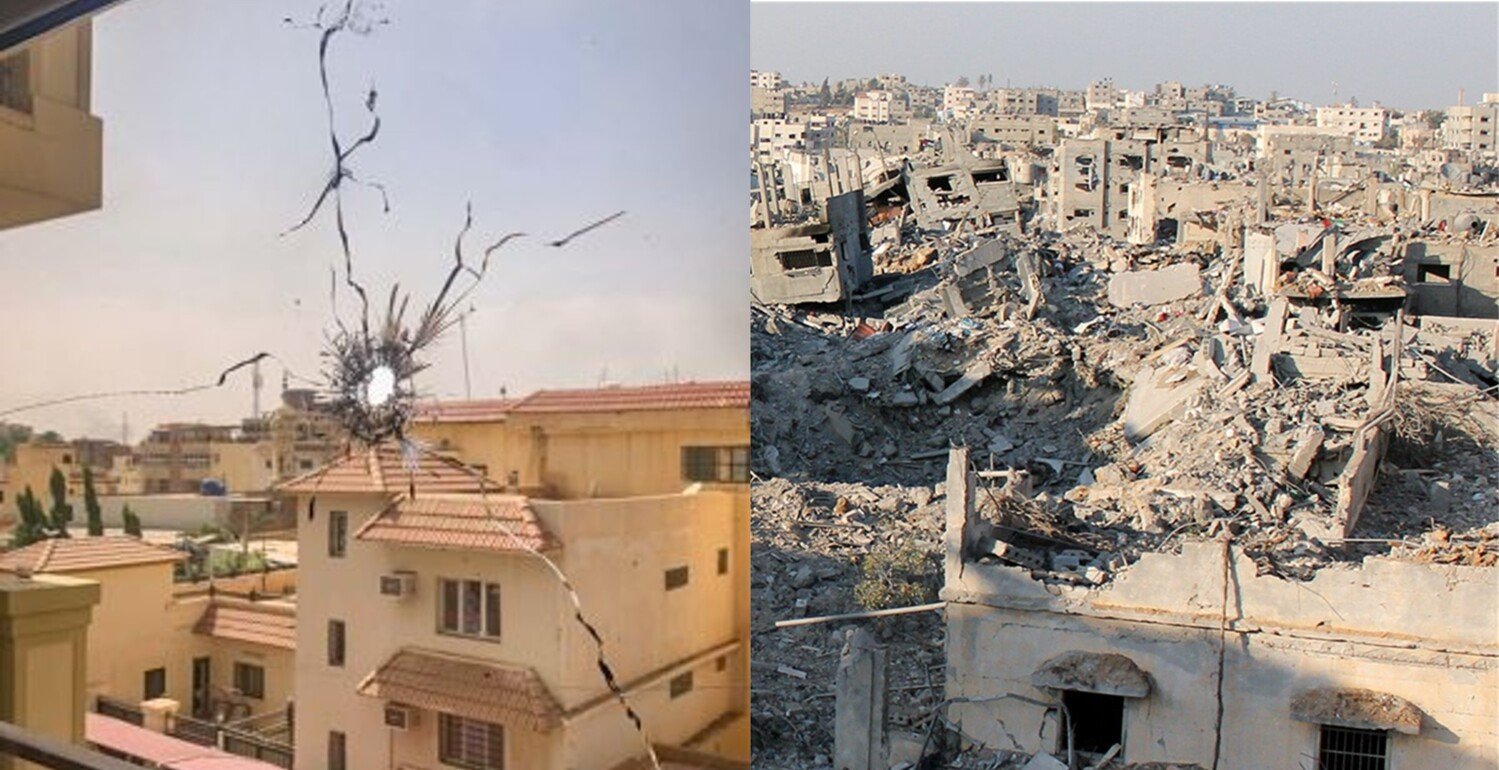
Today humanitarian principles— humanity, neutrality, impartiality, and independence — are increasingly being questioned and challenged by political instrumentalization, institutional pressures, and shifting global power dynamics. International Humanitarian Law is repeatedly violated, often without consequence: hospitals are bombed and humanitarian access is denied.
The Centre for Health Crises at Karolinska Institutet would like to invite you to an evening of conversation and debate about what a changing global landscape means for the purpose of humanitarianism, the role of states, and the responsibilities of humanitarian actors. We have invited leading international experts in the field, who will debate topics such as, what is the limit of what a humanitarian organisation can accept in order to get access to a population in need, and is humanitarian assistance an ideology or a political tool. The evening will conclude with a panel discussion on the future of humanitarianism.
Date and time
21 May at 4:30 – 7:30 pm
Location
The Cell, Hagaesplanaden 4 in Stockholm
Registration
Click here to make sure you register your attendance! The event is free to attend, but please note that you must register to be able to attend. The event is in-person only.
Programme
- Keynote: ”Humanitarianism at Stake – Ethical Fault Lines and Challenges in Contemporary Contexts”, Marc DuBois, Independent humanitarian analyst; Senior Lecturer at UNIGE’s Geneva Centre of Humanitarian Studies; Senior Fellow at SOAS
- Thematic Duels:
Complicit for Access? Debate on the issue of neutrality and access to assistanceDiscussants: Tamam Aloudat, CEO of The New Humanitarian; Syrian-Swiss physician with 20+ years in humanitarian organisations and Johan Schaar, Associate Senior Fellow at SIPRI (MENA Programme); Chair of ALNAP; member of the Expert Group for Aid Studies. Moderator: Johan von Schreeb, Professor Global disaster medicine, KI
Humanitarian assistance as an ideology or a political tool. Debate on the issue of humanitarian assistance as a goal in itself, to alleviate suffering, or a means to bring about change. Discussants: Gunilla Carlsson, Chair of Sida; Sweden’s Minister for International Development Cooperation (2006–2013) and Fiona Terry, Independent humanitarian scholar-practitioner; former Head of Operational Research at the ICRC in Geneva. Moderator: Anneli Eriksson, Research specialist global disaster medicine, KI
- Panel Discussion:
Framing Humanitarianism in the New World Order - What is at Stake? A synthesis and outlook on the current state of humanitarianism, and the future. Panellists: previous participants along with Caroline Delgado, senior expert at the Stockholm International Peace Research Institute (SIPRI). Moderator: Märit Halmin, PhD, MD, expert coordinator in intensive care with limited resources at the Centre for Health Crises at KI
- Drinks, mingle and continued discussion
The Centre for Health Crises mobilises and coordinates interdisciplinary expertise and know-how with the aim of developing the role of universities in supporting society before, during and after health crises. By driving policy development, gathering and building expertise, developing educational activities and catalysing research collaborations, we build the next generation of health crisis experts, and work to ensure that knowledge and proven experience guide decision-making and preparedness.