

Lectures and seminars C9orf72 and ALS/FTD: From Discovery to Therapeutic Frontiers
Bryan J. Traynor, MD, PhD, Senior Investigator, National Institute on Aging, NIH
The discovery of the C9orf72 hexanucleotide repeat expansion revolutionized our understanding of amyotrophic lateral sclerosis (ALS) and frontotemporal dementia (FTD), linking genetic risk to a broad clinical spectrum and illuminating new disease mechanisms. This presentation will trace the journey from the initial genetic discovery to the identification of actionable pathways. I will emphasize key clinical and biomarker findings – such as phenotypic variability, modifiers, and diagnostic and counseling implications – and then review current therapeutic strategies for personalized medicine in ALS/FTD.
Link for online participation: https://ki-se.zoom.us/j/61415080482?pwd=H36lYGFgyBicnSrn53LJoPDCbi0KrU.1
Host: Prof. Fang Fang, Institute of Environmental Medicine, Karolinska Institutet
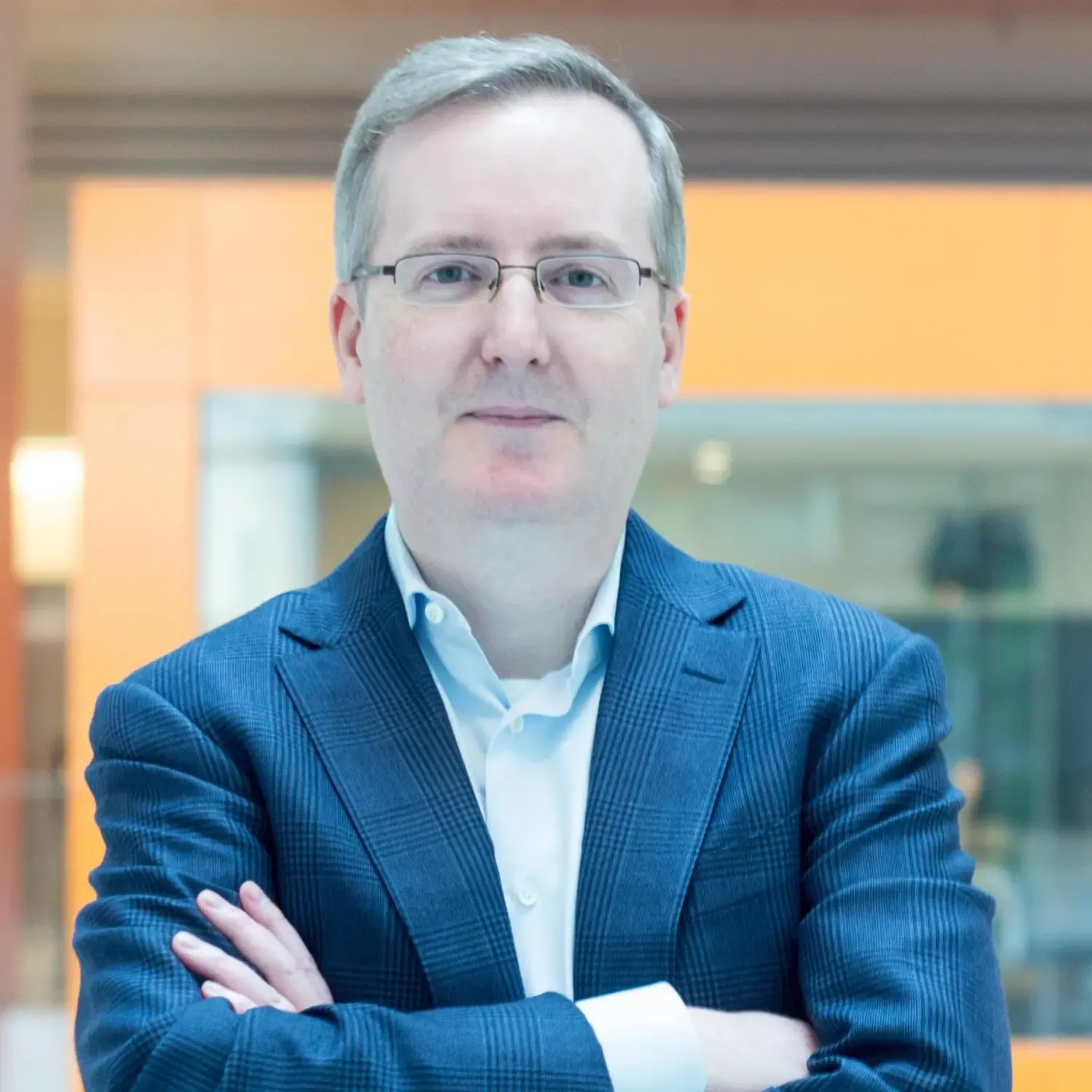
About Bryan J. Traynor
Bryan J. Traynor, MD, PhD, is a neurologist and Senior Investigator at the National Institutes of Health. His work has revolutionized our understanding of the genetic basis of amyotrophic lateral sclerosis (ALS) and frontotemporal dementia (FTD). He led an international team that identified pathogenic repeat expansions in C9orf72, a major cause of both disorders. His lab has also discovered several other genes linked to these conditions, including VCP, MATR3, KIF5A, SPTLC1, and HTT. Dr. Traynor has published over 200 articles in leading journals such as Neuron, the New England Journal of Medicine, Nature Genetics, Nature Neuroscience, and Nature Medicine. He has been a member of the editorial boards for JAMA Neurology (2017–2021), the Journal of Neurology, Neurosurgery & Psychiatry, and Neurobiology of Aging, and currently serves as an Associate Editor for Brain. His honors include the NIH Director’s Award, the Sheila Essey Award, the Potamkin Prize, the F.E. Bennett Lectureship, and the Sean Healey Prize.
He obtained his medical degree (MB BCh BAO), Doctor of Medicine (MD), and Doctor of Philosophy (PhD) from University College Dublin, as well as an MMSc from the Harvard–MIT HST program. His training includes a neurology residency and fellowship at Massachusetts General Hospital and Brigham and Women’s Hospital. He was part of the faculty at Harvard Medical School and Massachusetts General Hospital before joining the NIH in 2005. He is also an adjunct Professor at Johns Hopkins University.