
University of Rwanda Delegation Visits Karolinska Institutet for Annual TEI MAV+ Project Management Meeting
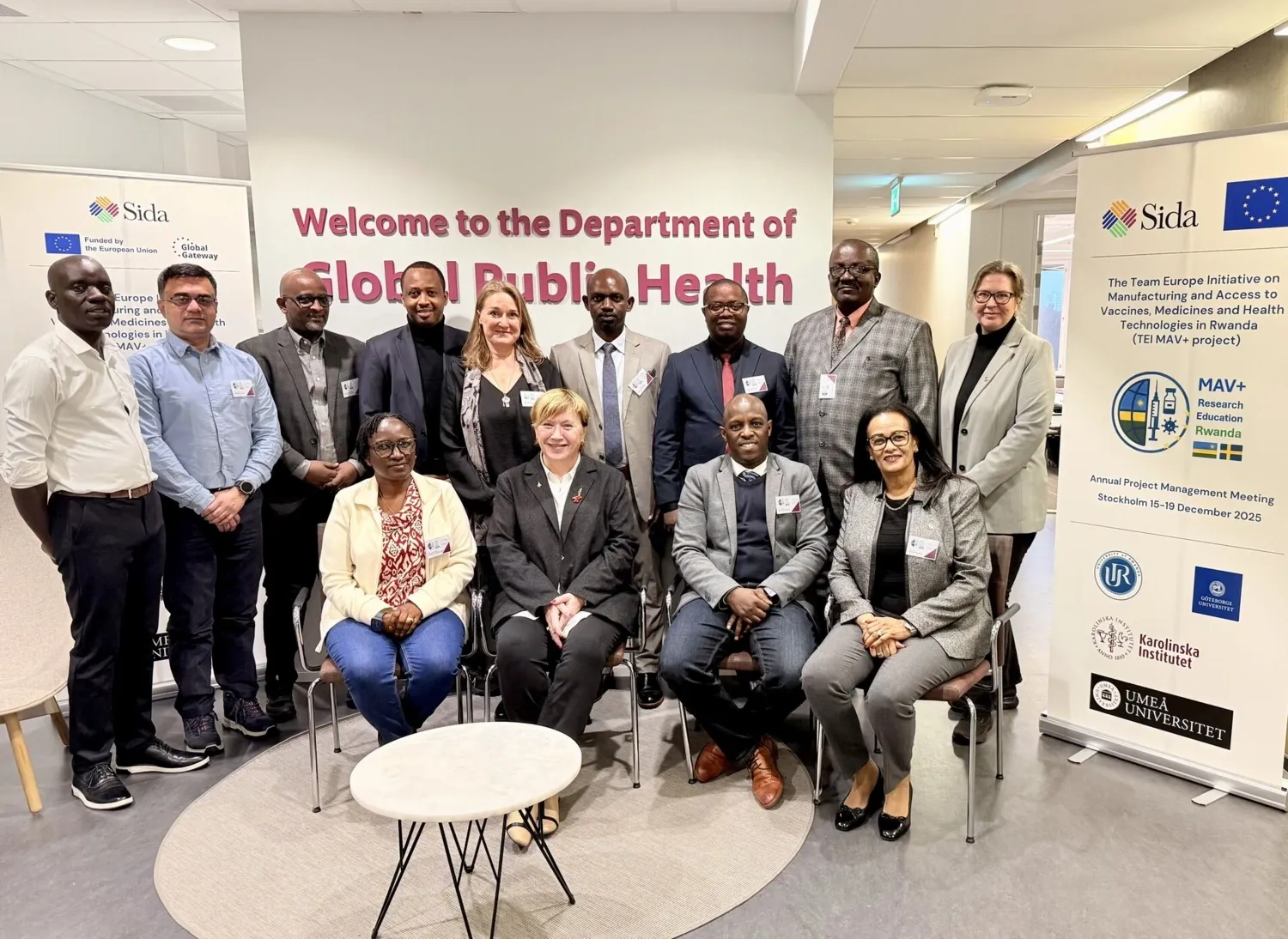
Karolinska Institutet (KI) recently hosted a high‑level delegation from the University of Rwanda (UR) and the Embassy of Sweden in Rwanda in connection with the Annual Project Management Meeting of the TEI MAV+ project, held from 15 to 18 December 2025. The visit underscored the continued strengthening of collaboration between Rwanda and Sweden within the framework of the Team Europe Initiative on Manufacturing and Access to Vaccines, Medicines, and Health Technologies in Africa (TEI MAV+).
Professor Eleni Aklillu and the GH‑Pharma research group welcomed the delegation for a programme combining strategic discussions, progress review meetings, and exposure to Sweden’s biomedical research ecosystem. The Annual Management Meeting focused on evaluating the project’s achievements to date, identifying gaps, and co‑planning future activities to advance Rwanda’s vaccine biomanufacturing and health technology capabilities.
The visit began with a welcome address by Professor Marie Hasselberg, Head of the Department of Global Public Health, followed by detailed project updates from UR and KI partners. Discussions involved key stakeholders, including representatives from Sida, and centred on strengthening institutional systems, aligning capacity‑building activities, and advancing scientific and educational components of the TEI‑MAV+ initiative.
A core purpose of the visit was facilitating high‑level engagement with Swedish researchers and policymakers. The delegation met with experts involved in biomedical research, health technologies, and clinical trials to refine the project’s strategic direction and explore expanded collaboration opportunities.
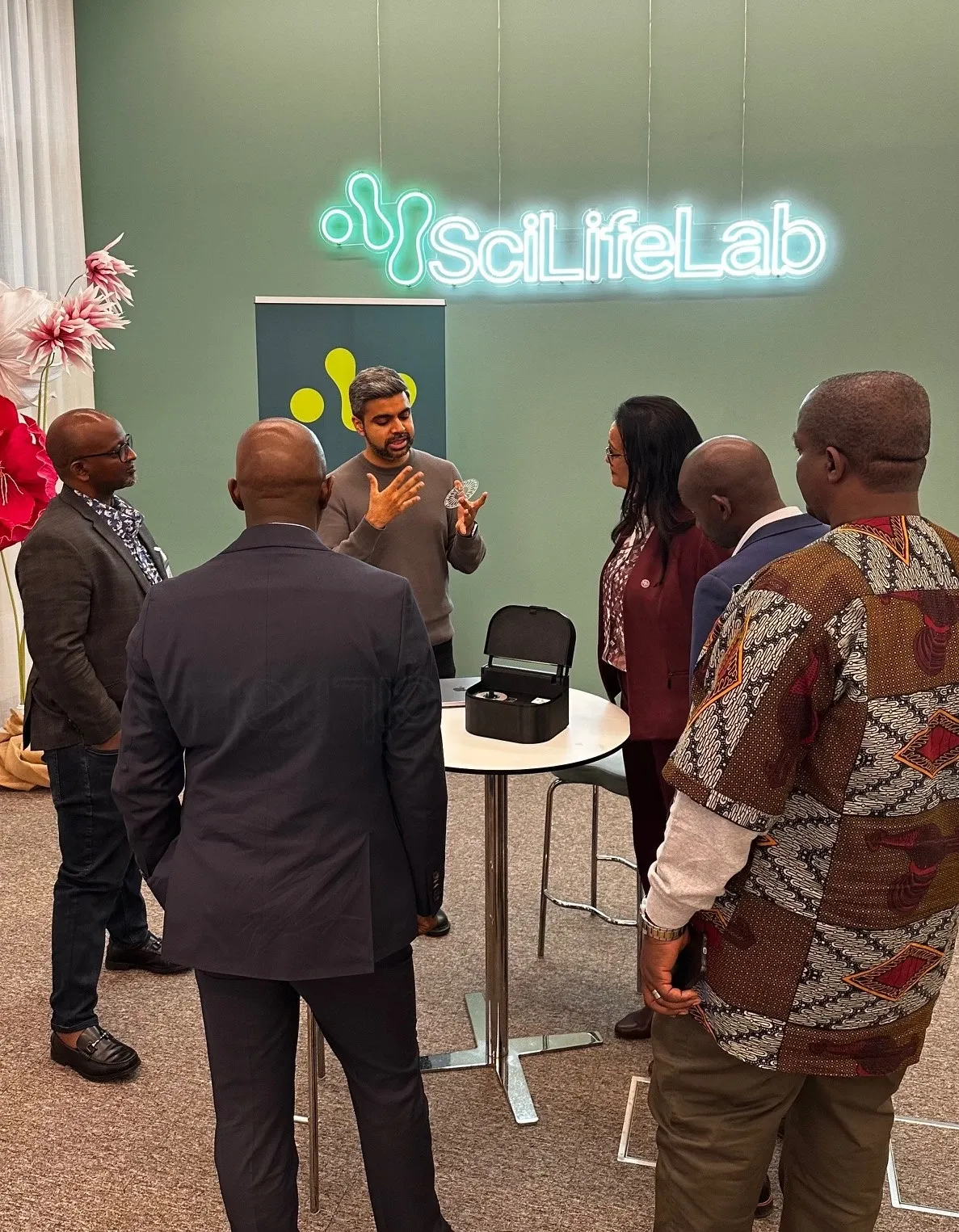
The programme also included site visits to leading Swedish research infrastructures. Delegates toured SciLifeLab Stockholm, where they were introduced to advanced genomic and proteomic platforms and Sweden’s model for collaborative life science research. A visit to the Karolinska Clinical Trial Center provided insights into clinical research operations, regulatory pathways, and quality systems that support internationally compliant trials. These visits offered valuable perspectives for Rwanda’s ongoing efforts to strengthen national capacity in vaccine development, health technologies, and clinical research.
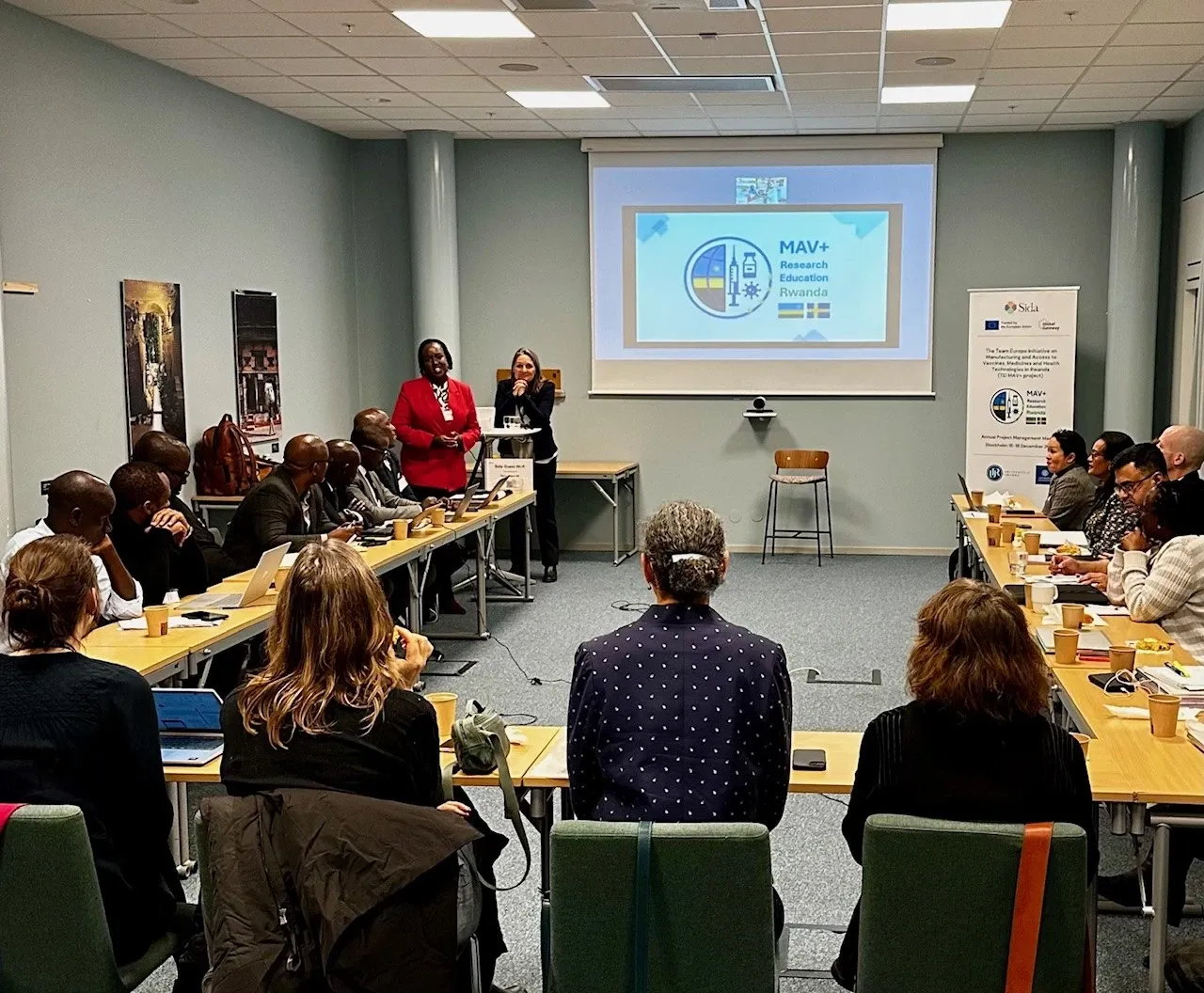
Further engagement included meetings at Sida Headquarters to discuss alignment with broader EU and Swedish development priorities, as well as diplomatic interactions highlighting the strategic importance of the Rwanda–Sweden partnership within global health and innovation.
In addition to formal meetings, the programme featured cultural and networking activities, including a visit to Stockholm’s Old Town and a tour of Testa Center/Cytiva in Uppsala to explore bioprocess innovation. The week concluded with technical working sessions dedicated to reviewing the project’s progress to date, strengthening quality management systems, and delineating forthcoming activities aimed at further advancing Rwanda’s vaccine and health technology ecosystems.
The visit highlighted the strong partnership and shared ambitions of the collaboration. Summarising the visit and the project, Professor Aklillu emphasised the long-term vision behind the initiative: "This partnership embodies our shared commitment to building sustainable research ecosystems that empower local scientists and strengthen global health capacity. Through the TEI MAV+ project, we are laying the foundation for long‑term excellence in education, clinical research, and innovation to benefit communities in Rwanda, Sweden, and beyond."
The project, led by the University of Rwanda in partnership with Karolinska Institutet, the University of Gothenburg, and Umeå University, is funded by the European Union through Sida.
Read more about the TEI MAV+ Project: