
Three new research group leaders at NVS
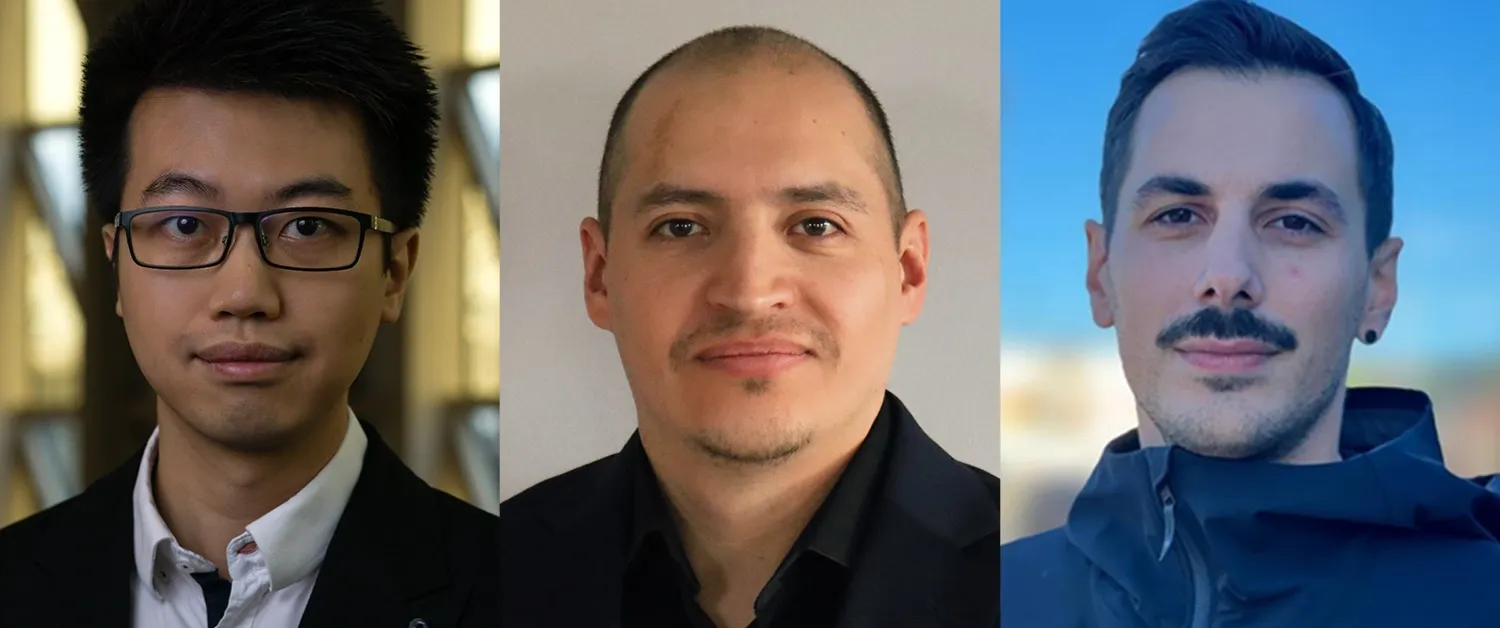
NVS has appointed three new research group leaders: Xiaofei Li and Luis Enrique Arroyo-García at the Division of Neurogeriatrics, and Konstantinos Chiotis at the Division of Clinical Geriatrics.
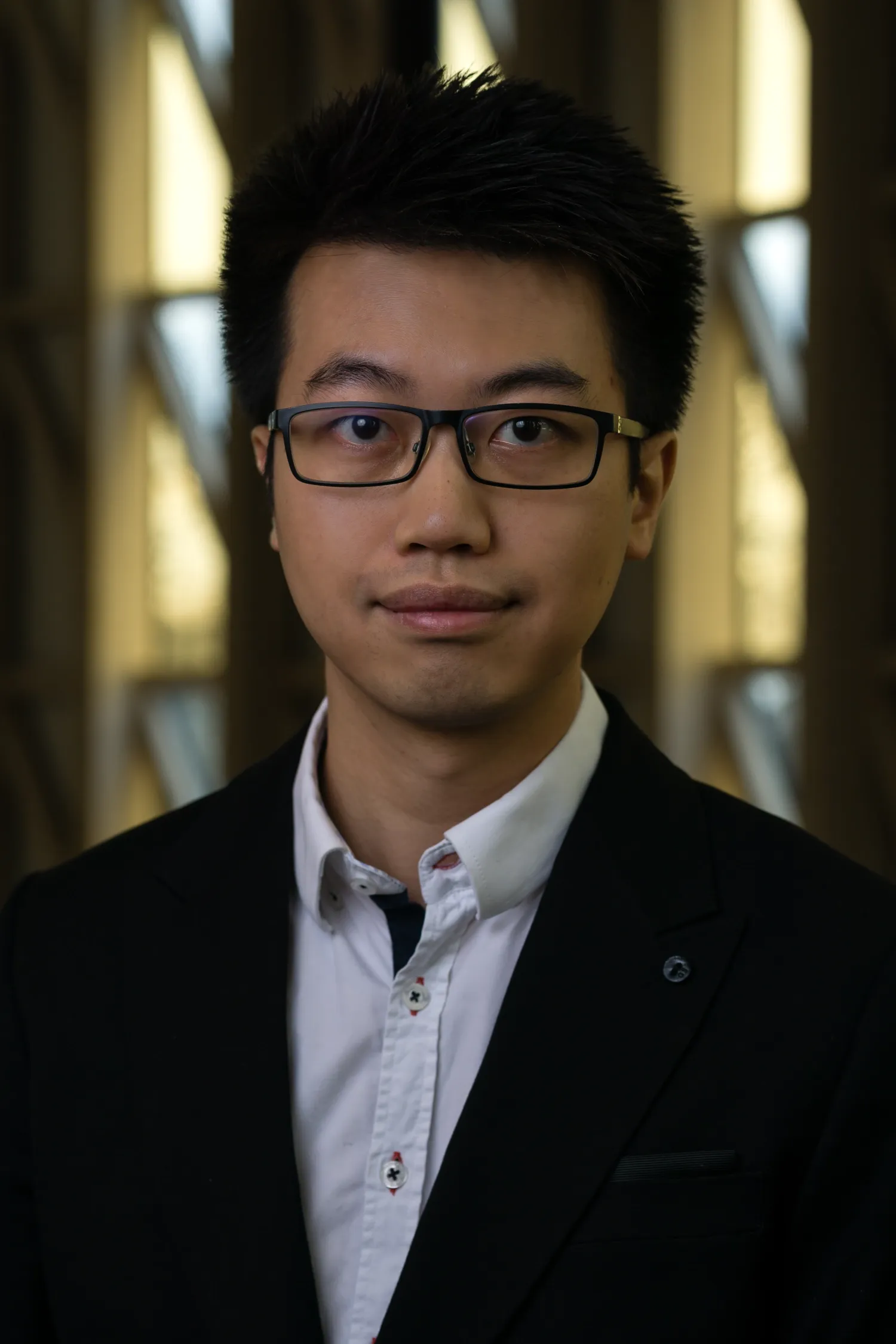
Xiaofei Li
Division of Neurogeriatrics
What is the research focus of your group?
”My group focuses particularly on neural stem and progenitor cells, and how they make fate decisions across development, injury, degeneration, and cancer. To address these questions, we combine stem cell biology, single-cell and spatial omics, advanced computational analysis, human organoids, and CRISPR/gene-editing approaches,” says Xiaofei Li, new research group leader at the Division of Neurogeriatrics.
What is the goal of your research?
”The long-term goal of my research is to use knowledge from developmental and stem cell biology to develop new strategies for CNS repair and disease treatment. We aim to understand how human neural stem cells generate diverse cell types during development, why this regenerative potential is reduced during maturation and aging, and how these developmental programs may contribute to neurological diseases, including spinal cord injury, Alzheimer’s disease, and pediatric brain tumors such as ependymoma. By identifying the molecular rules that control stem cell identity and plasticity, we hope to discover new therapeutic targets and improve future regenerative medicine approaches.”
Who are the members of your research group and what is the name of the group?
”The group is called “Cell Fate Control and Regeneration”.
The current members include myself, Xiaofei Li as group leaders, together with and Erik Sundström, Eric Heinrichs, Elyas Mohammadi, Theologos Sgouras, Vera Shirokova, Ladislav Pacut, Markos Sousis, Leila Nerdeux, Ling Zhang, and Elisabet Åkesson.”
What are you most looking forward to now as the research group leader?
”I am most looking forward to building a creative and collaborative research environment where young scientists can develop bold ideas and where we can connect fundamental mechanisms in human development with real clinical questions. For me, becoming a research group leader is an opportunity to shape a long-term research direction that bridges developmental biology, stem cell biology, and regenerative medicine. I am especially excited to see how our new technologies and collaborations can help us move from mapping human CNS development to understanding disease mechanisms and, eventually, identifying new strategies for repair.”
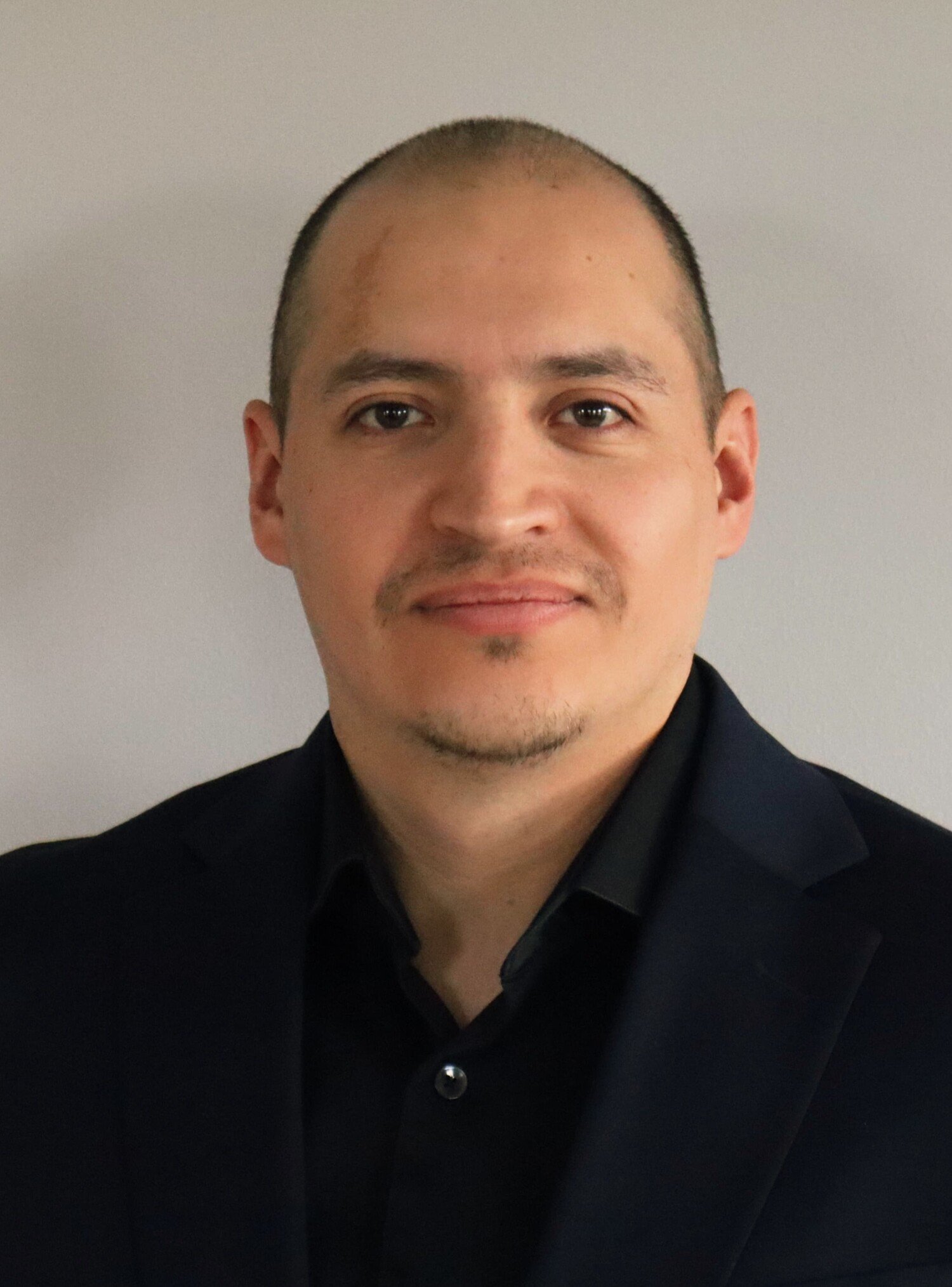
Luis Enrique Arroyo-Garcia
Division of Neurogeriatrics
What is the research focus of your group?
”Our research group investigates the mechanisms that govern how neurons integrate into synaptic networks supporting cognition, particularly during the early stages of neurodegenerative diseases. We are especially interested in the role of neuroinflammation and its impact on synaptic homeostasis,” says Luis Enrique Arroyo-Garcia, new research group leader at the Division of Neurogeriatrics.
What is the goal of your research?
”By combining ex vivo electrophysiology, omics, advanced imaging, and genetic approaches in brain tissue from both animal models and patients, we aim to uncover how early pathological processes disrupt neuronal function. Our ultimate goal is to identify novel biomarkers of synaptic dysfunction and develop new therapeutic strategies.”
Who are the members of your research group and what is the name of the group?
”The members of our group are: Giusy Pizzirusso, PhD, MD (postdoctoral researcher), Dina Medina Vera, PhD (postdoctoral researcher), Celia Aguilar Ruiz (PhD student), Yasser El Atma (master student), Irene Fernandez-Bujarrabal and Maria del Mar Cidoncha Lacasa (bachelor students).
The name of the group: García group – The Laboratory of Synaptic Networks in Neurodegeneration."
What are you most looking forward to now as the research group leader?
”I am most looking forward to building a dynamic and collaborative research environment where each team member can develop their own ideas while contributing to shared scientific goals. Creating a supportive and stimulating atmosphere where curiosity, rigor, and creativity can thrive is something I find especially exciting as a new group leader.”
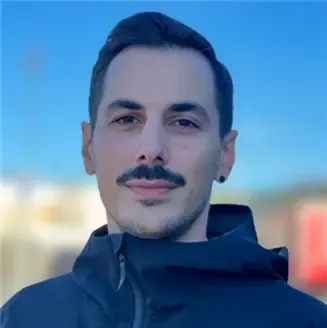
Konstantinos Chiotis
Division of Clinical Geriatrics
What is the research focus of your group?
”Our research focuses on understanding the biological processes that drive neurodegenerative diseases associated with dementia. We develop and apply advanced neuroimaging techniques, particularly PET and MRI, and integrate these with cognitive assessments and fluid biomarkers to study disease mechanisms in vivo. A central goal of our work is translation: using these insights to improve diagnosis, prognosis, and treatment”, says Konstantinos Chiotis, new research group leader at the Division of Clinical Geriatrics.
What is the goal of your research?
”Our overarching aim is to enable earlier and more accurate diagnosis of neurodegenerative diseases and to identify biological targets for safer and more effective disease-modifying therapies.
These are complex challenges that cannot be solved by a single research group. Success requires collaboration across disciplines and institutions. We therefore work closely with leading researchers around the world to address these questions from multiple perspectives.”
Who are the members of your research group and what is the name of the group?
”Our group is called Translational Molecular Imaging.”
”We are a multidisciplinary team that brings together expertise in clinical neurology, geriatrics, neuropsychology, neuroimaging, biomarker development, and data science. The group includes clinicians, researchers, postdoctoral fellows, doctoral students, and research assistants who share a common goal of improving our understanding of neurodegenerative diseases and translating scientific discoveries into clinical benefit.
Beyond research, we are strongly committed to training the next generation of scientists and clinicians through mentorship, teaching, and collaborative learning environments.”
What are you most looking forward to now as the research group leader?
”What excites me most is the opportunity to bridge research and clinical care. We are witnessing remarkable advances in biomarkers and disease-modifying therapies that have the potential to transform how we diagnose and treat neurodegenerative diseases.”
”The challenge now is to ensure that these scientific advances translate into meaningful improvements for individual patients. As a group leader and cognitive neurologist at the Memory Disorders Unit at Karolinska University Hospital, I look forward to building the pathways that connect discovery science with clinical implementation, so that cutting-edge research can directly improve patient care.”