

Researchers from KI took part in a major climate demonstration in Stockholm
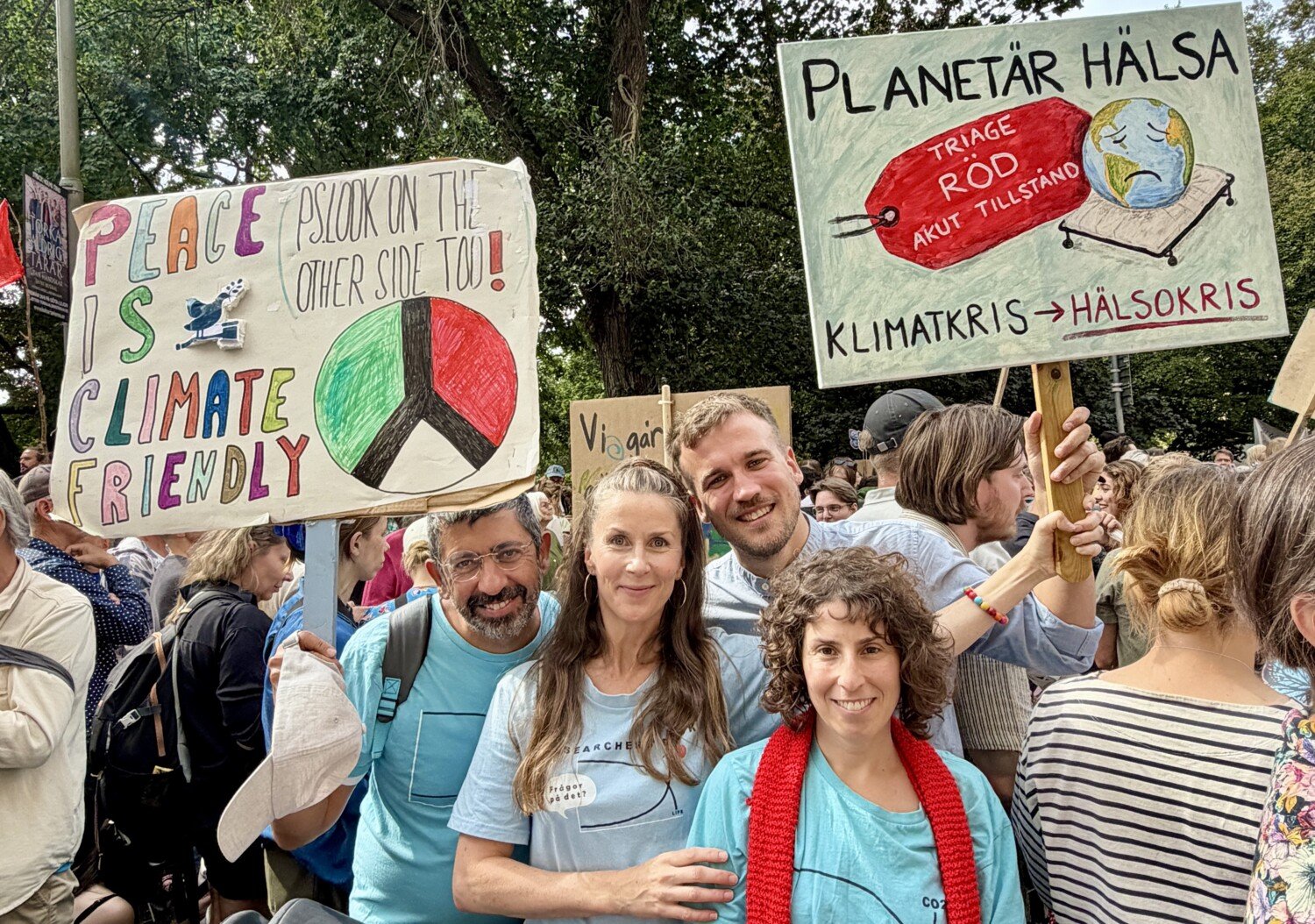
On Sunday 23 August, around 50,000 people marched through the streets of Stockholm during the major climate demonstration, organised by the Swedish Society for Nature Conservation, Rebellmammor, Rebellpappor and Researchers’ Desk. Over 280 organisations took part in the demonstration, including several KI researchers and staff members.
Various aspects of the climate issue were represented
Several KI researchers took part in the demonstration as part of Researchers’ Desk – a non-profit organisation and platform for dialogue between researchers and civil society, educators and decision-makers on the ongoing climate and biodiversity crisis.
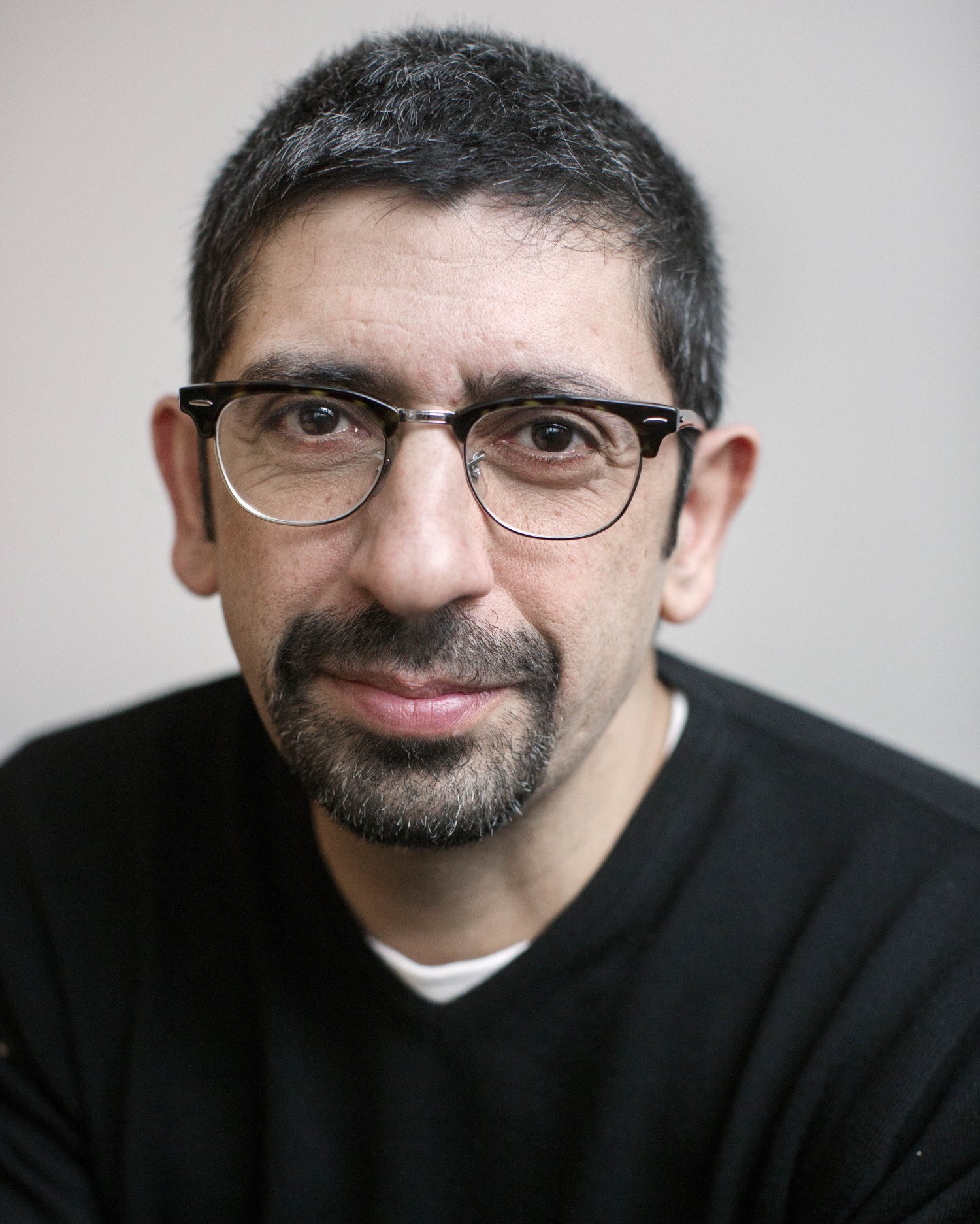
"Researchers’ Desk is a unique interdisciplinary forum bringing together many experts on various aspects of the climate issue. We, who are involved in KI’s work on sustainable development, saw participation in the climate demonstration as an important part of the university’s – and our own – responsibility to engage with the wider community. It was heartening to see so many organisations and groups focusing on various global sustainability goals represented. I was pleased to see so many people from the healthcare sector, but also many peace organisations, because war has far-reaching consequences for people’s health. The impact of war on people in the diaspora is part of my research", says Shervin Shahnavaz, Department of Clinical Neuroscience.
Climate change – the greatest threat to global health
"Climate change is the greatest global health threat facing the world, according to The Lancet Countdown on Health and Climate Change. We want to put health at the centre and show our support for a strong and ambitious climate policy that promotes the fundamental conditions for life and health. The WHO has highlighted health professionals as a key group capable of communicating both the health risks associated with climate change and the health benefits of climate solutions", says Shervin Shahnavaz.

Ester Gubi, from the Department of Global Public Health, who also took part in the demonstration, explains:
"It is important to demonstrate support for climate policy in line with the science. If we do not phase out fossil fuels and protect the biosphere, we cannot protect people’s lives and health. The fact that so many of us demonstrated on Sunday shows that there is support for political change, which research also demonstrates time and again. People want to safeguard future generations and other species."

A transition is needed, both for the climate and for our health
"I took part in the major climate demonstration to stand up for the many solutions that contribute to a healthier society, including healthier and more sustainable food production and diets, cleaner air through reduced emissions from traffic and combustion, and better mental health through communities that promote a sense of community, physical activity and access to green spaces, says Nikolaus Mezger, Institute of Environmental Medicine.

"As a researcher in healthcare, I see a paradox: the healthcare sector will be hit hard by the consequences of climate change, whilst at the same time contributing to emissions through its own activities. I took part in the deminstration because we need a rapid and decisive transition and more resources to be able to build a healthcare system that promotes planetary health. This transition must encompass more than just products, buildings, energy and logistics. We need new ways of thinking about how best to work for people’s health, and this requires investment in, amongst other things, training for both future and current healthcare staff specifically in the field of planetary health", says Emma Swärdh, Department of Neurobiology, Care Sciences and Society.
Researchers' desk - a platform for dialogue about the climate crisis
Listen to SR's interview with Emma Swärdh (in Swedish)
Would you also like to get involved in KI’s work on sustainability, the environment and climate change?
Please contact KI’s environmental coordinators: miljo@ki.se.