
New thesis explores how a protein affects special immune cells in metabolic disease
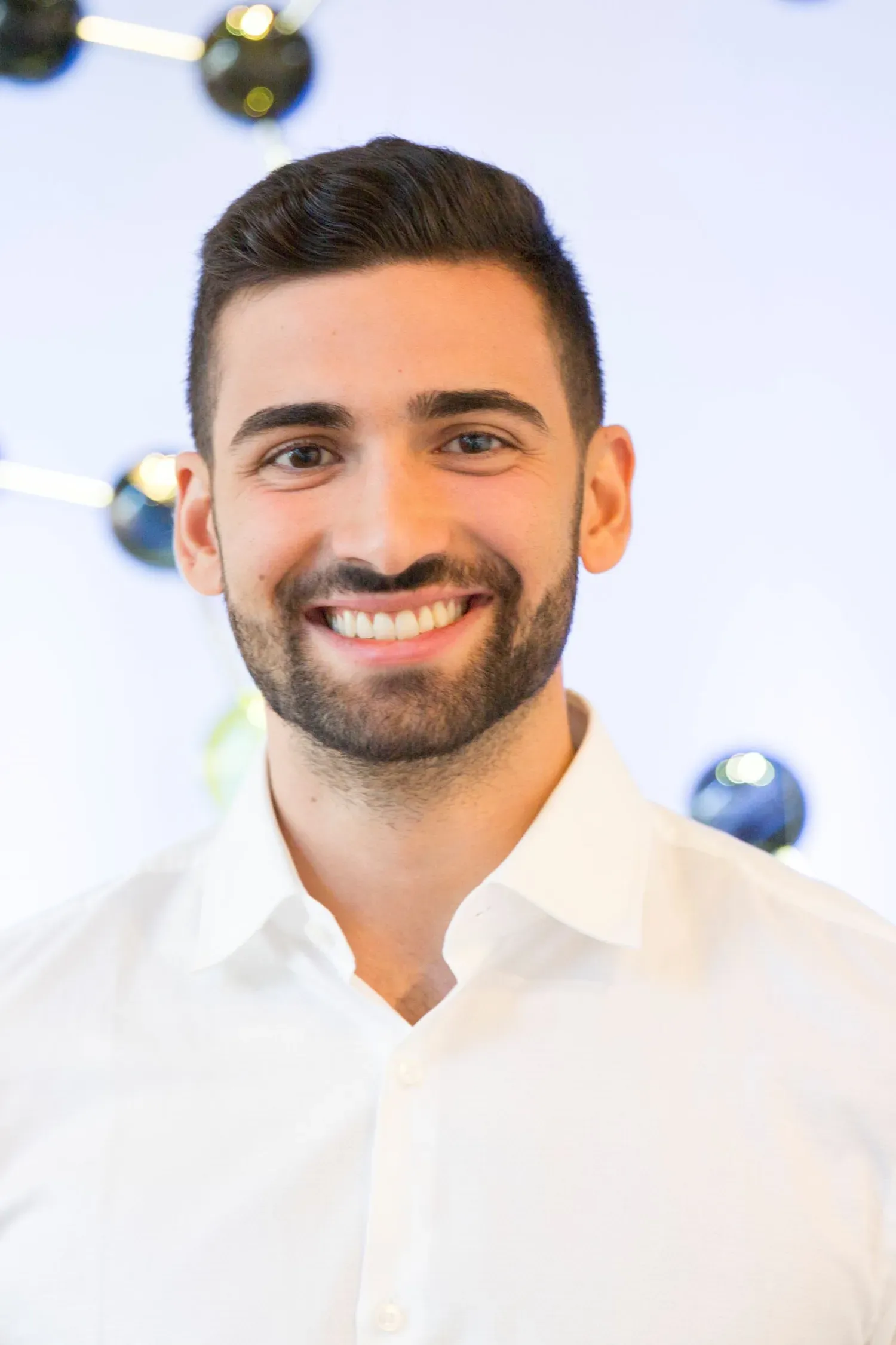
Achilleas Fardellas from the Center for Infectious Medicine (CIM), at the Department of Medicine, Huddinge (MedH), defends his thesis titled "Regulation of Macrophage Function by ADAR1 in Metabolic Disease", on 6 March 2026. Main supervisor is Niklas Björkström.
What is the main focus of your thesis?
Our research focuses on a protein called ADAR1 and how it affects macrophages, special immune cells that act like the body’s cleanup crew.
Macrophages live in our tissues and help keep them healthy. They remove dead cells, clear debris, and manage fats. We wanted to understand how ADAR1 influences these cells in normal conditions and during metabolic diseases like obesity.
Which are the most important results?
We found that:
1. Macrophages produce a lot of ADAR1 when they enter human tissues.
This suggests the protein plays an important role once these immune cells settle into organs.
2. ADAR1 helps macrophages do their job properly.
ADAR1 supports their ability to engulf and digest cellular waste as well as process and metabolize fats (lipids).
3. ADAR1 levels rise during weight loss in certain fat-tissue macrophages.
Our findings suggest that ADAR1 acts like a molecular switch that helps macrophages protect tissues during these stressful conditions.
How can this new knowledge contribute to the improvement of people’s health?
Our findings uncover a previously unknown layer of regulation within these vital immune cells. Rather than offering a final answer, this research lays the groundwork for future studies and opens new directions for scientists to investigate, including potential new strategies for understanding and eventually addressing metabolic diseases.
What are your future ambitions?
Looking ahead, I am eager to build on the strong scientific foundation I developed during my PhD in a new and impactful way. I aim to transition from academia into business and strategy roles within the life sciences sector, where I can contribute to transforming scientific discoveries into meaningful innovations that benefit patients and society.
Dissertation
Friday 6 March, at 9:30, B64, Erna Möller hall in Neo, Flemingsberg.
Thesis
Regulation of macrophage Function by ADAR1 in metabolic disease