
New thesis evaluates new techniques in the invasive treatment of patients with atrial fibrillation
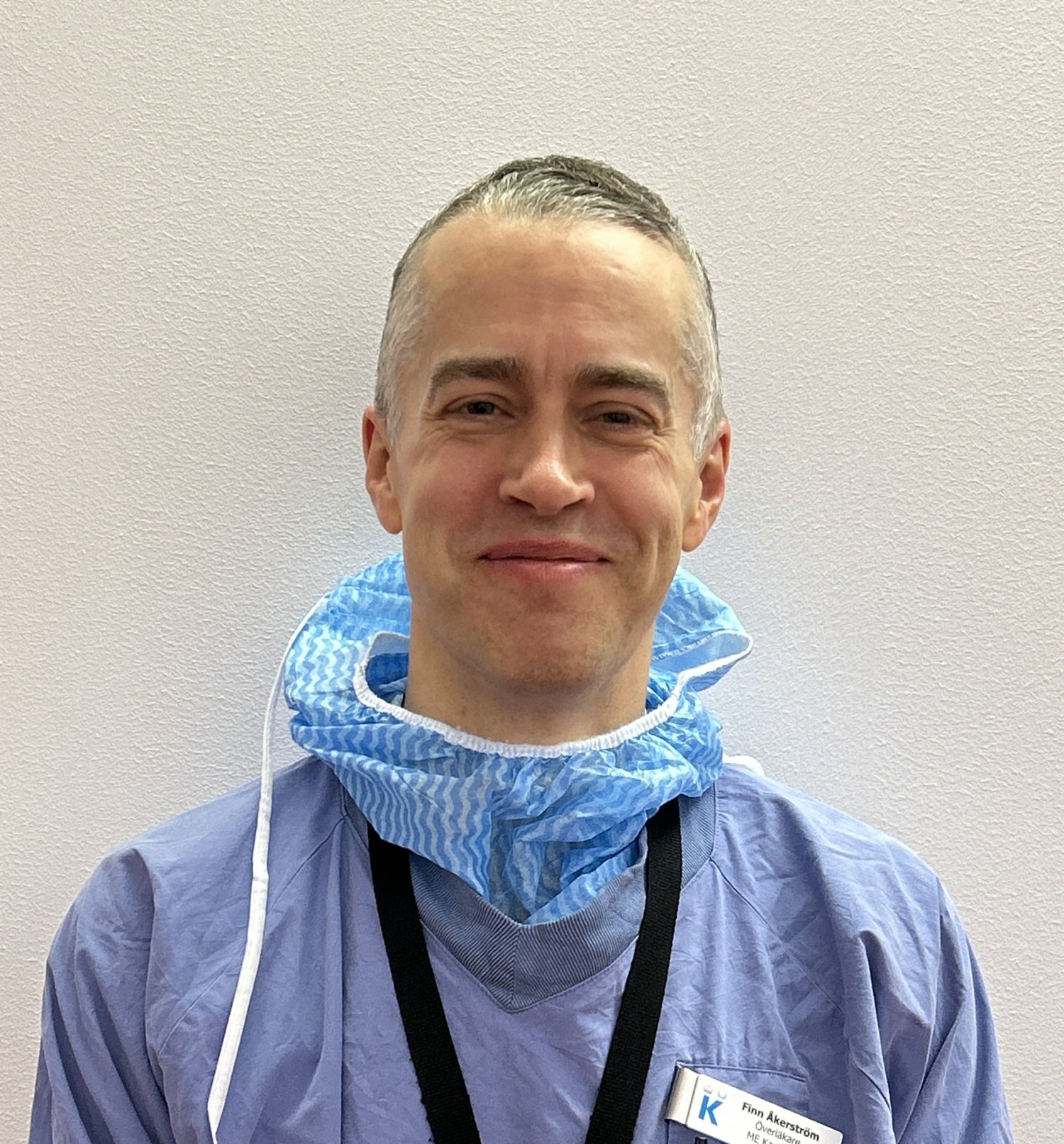
Finn Åkerström from the Integrative Cardiovascular, Cancer and Ageing Research unit (ICCA), at the Department of Medicine, Huddinge (MedH), defends his thesis titled "Catheter Ablation of Atrial Fibrillation: Technological Advancements and Long-term Effects on Morbidity and Mortality.", on 13 March 2026. Main supervisor is Nikola Drca.
What is the main focus of your thesis?
The primary objective of my thesis is to evaluate new techniques (a new AI-based algorithm for intracardiac ultrasound and ethanol ablation of the vein of Marshall) in the invasive treatment of patients with atrial fibrillation, as well as to study the long-term effects of atrial fibrillation ablation on the risk of stroke, mortality, and dementia.
Which are the most important results?
The ultrasound algorithm correctly identified the anatomical structures in the left atrium in all patients, with acceptable anatomical precision for the pulmonary vein antra. In patients with recurrent persistent atrial fibrillation following with previous ablation, an ablation strategy involving ethanol infusion of the vein of Marshall demonstrated a higher success rate compared to conventional ablation. In a large national registry study of patients with atrial fibrillation, we observed an association between atrial fibrillation ablation and a reduced risk of death, heart failure, and dementia diagnosis
How can this new knowledge contribute to the improvement of people’s health?
An automated ultrasound algorithm may serve as effective support during atrial fibrillation ablation and could potentially contribute to reduced procedure times, allowing us to treat more patients. We now have evidence to recommend ethanol ablation of the vein of Marshall as part of an ablation strategy for patients with recurrent atrial fibrillation following previous ablation procedures. Our registry study, which showed that atrial fibrillation ablation has a positive effect on mortality, heart failure, and dementia in 'real-world' patients in Sweden, further strengthens the indication for ablation, particularly in patients with heart failure
What are your future ambitions?
To continue clinical research through prospective clinical trials in invasive electrophysiology, as well as evaluating novel ablation techniques. Beyond this, I am committed to developing our research collaborations with other hospitals across Europe and to training the next generation of electrophysiologists through courses and clinical site visits.
Dissertation
Friday 13 March, 09:00, Värmdö G6, Karolinska University hospital, Huddinge