
New findings on Addison’s disease raise hopes
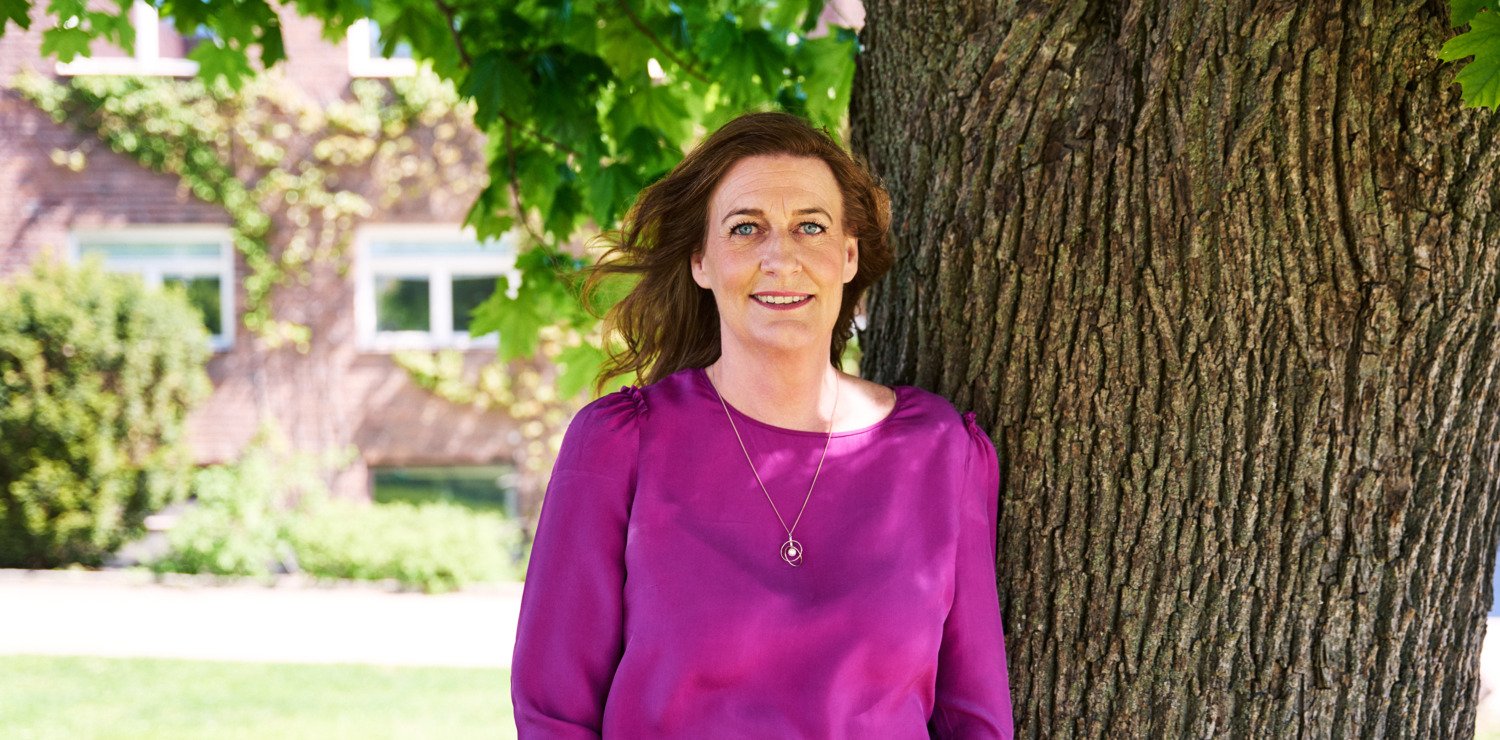
Despite treatment, many patients with Addison’s disease still live with health problems. Sophie Bensing researches how their care can be improved. Meet one of the new professors of Karolinska Institutet who will participate in this year's installation ceremony at Aula Medica on 8 October.
Text: Karin Tideström, for KI’s installation ceremony booklet 2026
Sophie Bensing researches Addison’s disease, an autoimmune condition in which the immune system attacks the adrenal glands, causing a deficiency of cortisol and aldosterone. Current treatments save lives, but cannot fully replicate the body’s natural hormone production and circadian rhythm.
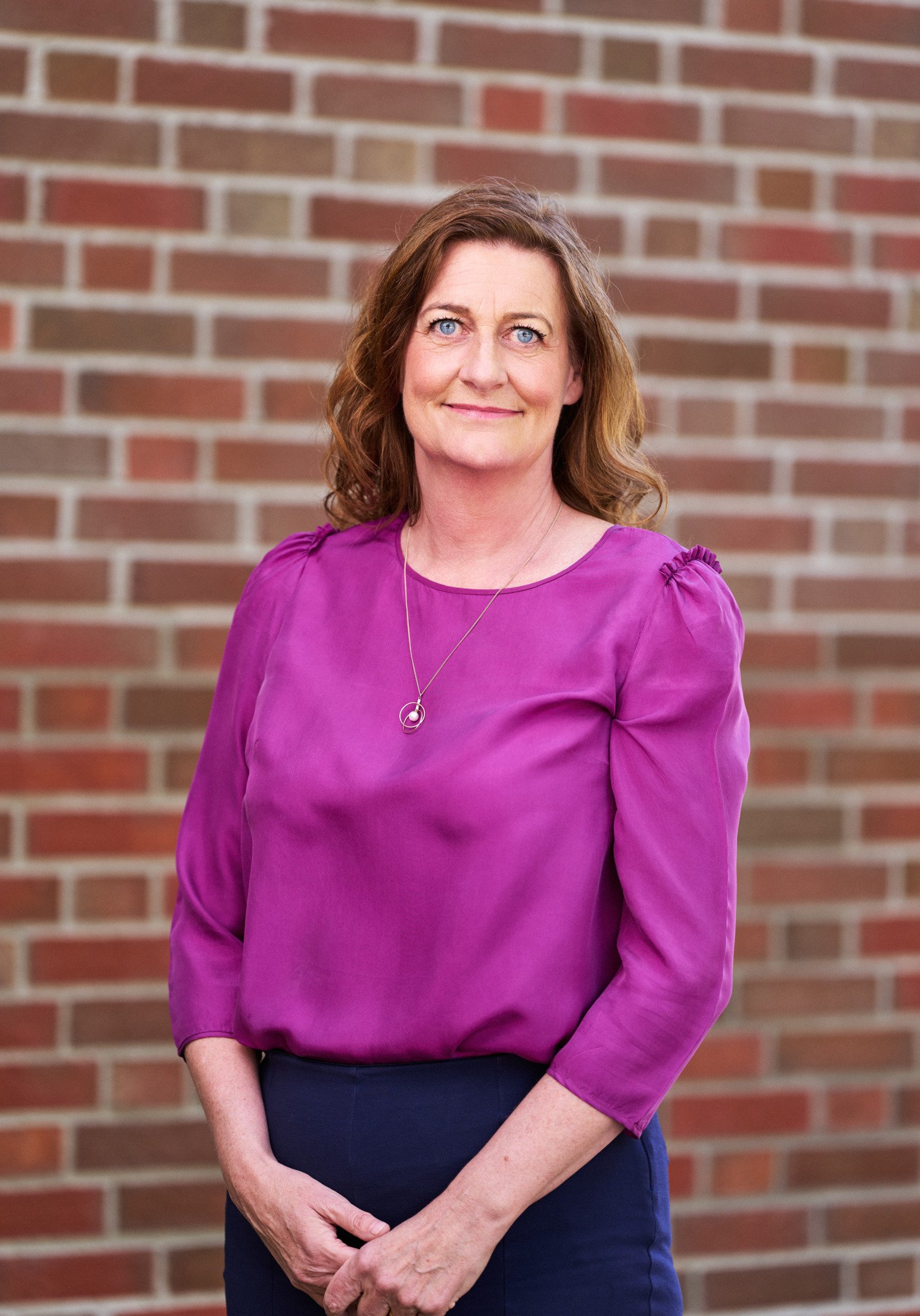
Using clinical and epidemiological studies, Professor Bensing aims to understand how the disease affects patients over time and how their care can be improved. The research is based on health registries and biobank samples from the Swedish Addison’s Register. Advanced microdialysis techniques are used to measure how hormone levels fluctuate over a 24-hour period.
Among other findings, the studies show that people with the disease are at a higher risk of developing cardiovascular disease and osteoporotic fractures, while some patients retain a small amount of their own hormone production long after diagnosis.
“This challenges the prevailing view of the disease as being wholly irreversible and raises hopes of new therapeutic opportunities,” she says.
About Sophie Bensing
Professor of Endocrinology at the Department of Medicine, Solna, from 14 September 2025
Sophie Bensing was born in Stockholm in 1970. She took her PhD in endocrinology from Karolinska Institutet in 2005, becoming a specialist in internal medicine in 2009 and in endocrinology in 2011. She combines the post of professor with that of senior physician at Karolinska University Hospital’s Endocrinology unit.