
KI represented at the International Conference on Diagnostic Innovation in Senegal
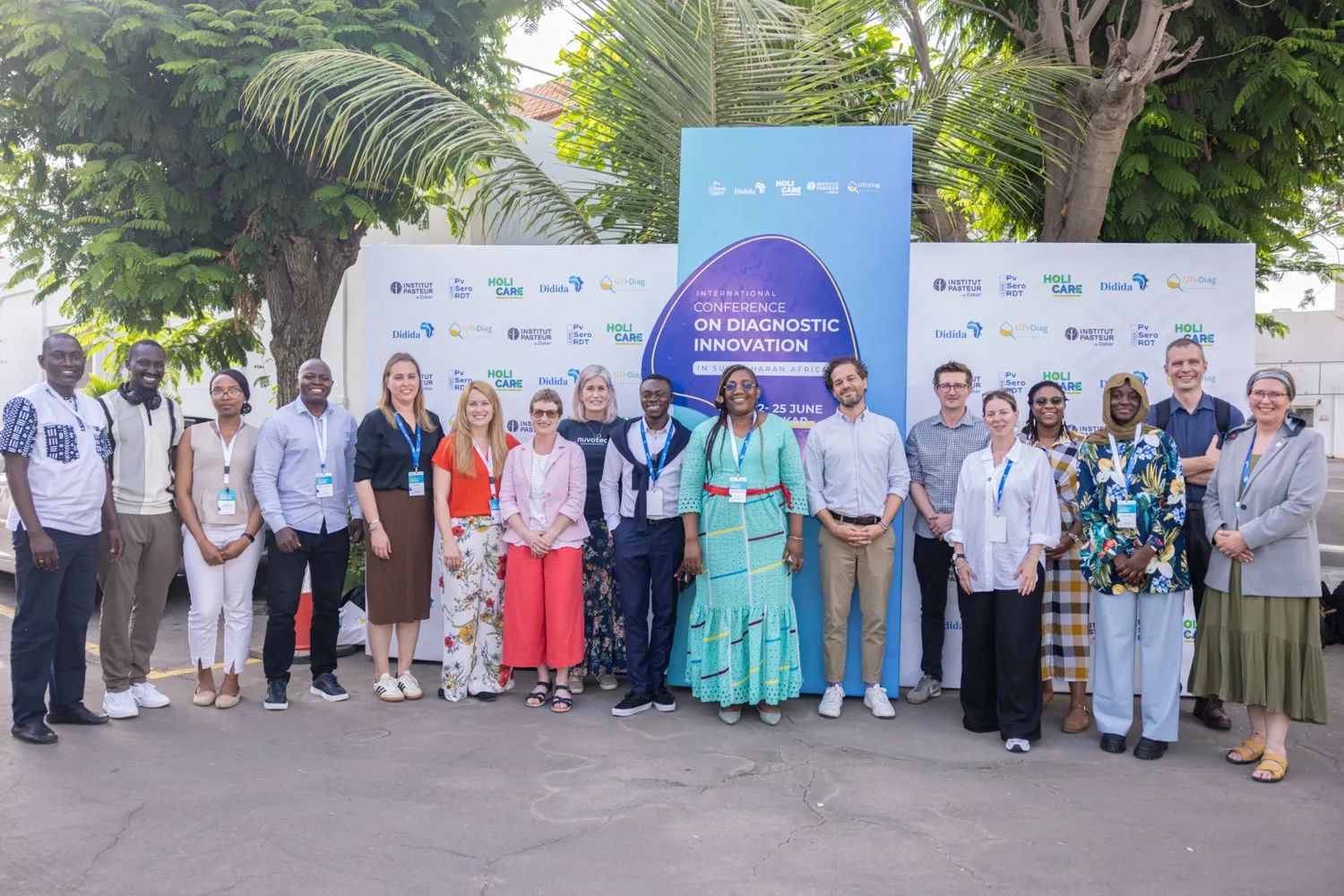
Karolinska Institutet participated in the International Conference on Diagnostic Innovation in Sub-Saharan Africa, held in Dakar, Senegal, in June 2026. The conference brought together researchers, innovators, policymakers, and healthcare stakeholders from across Africa and Europe to discuss how innovative diagnostic solutions can strengthen health systems and improve the management of infectious diseases in Sub-Saharan Africa.
Advancing diagnostic innovation in Africa
Hosted by the Institut Pasteur de Dakar, the conference welcomed more than 100 participants from academic institutions, ministries of health, international organizations, funding agencies, NGOs, and the diagnostics industry. The event aimed to strengthen Africa’s diagnostic ecosystem through knowledge sharing, capacity building, and collaboration across sectors. The programme included scientific presentations, policy discussions, workshops, networking activities, and training opportunities for early-career researchers.
Karolinska Institutet was represented by Giulia Gaudenzi, Phuthumani Mlotshwa, and Anna-Lee Cöster Jansén, who attended the conference in person on behalf of the EU-funded projects UTI-Diag and Holicare, while Professor Tobias Alfvén participated remotely.
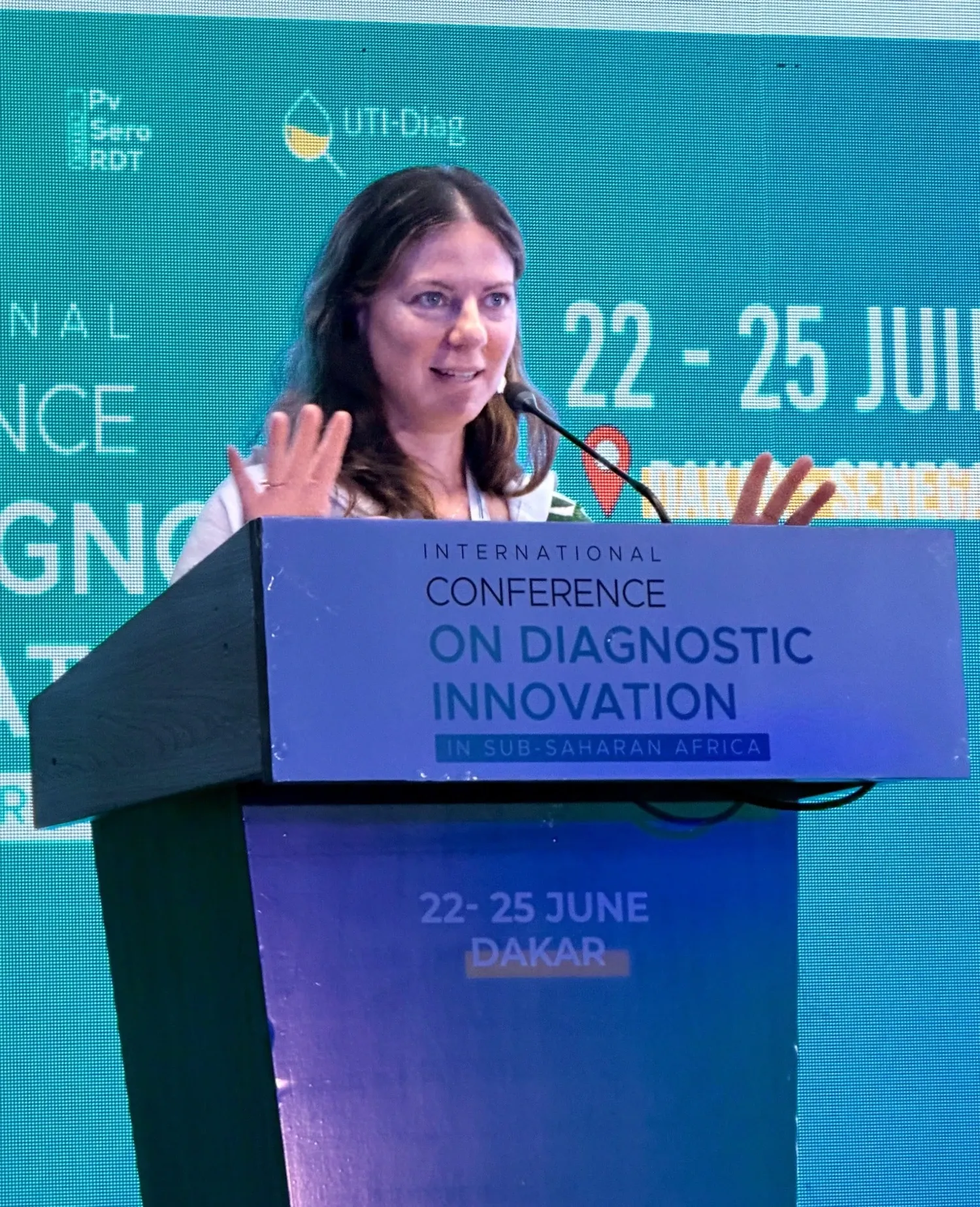
The conference was officially opened by the Minister of Health & Social Action of Senegal, underlining the importance of innovation in diagnostics for public health. The opening ceremony received national attention and was broadcast on Senegalese television as well as covered by local newspapers.
During the first day of the conference, Giulia Gaudenzi presented an overview of the UTI-Diag project, coordinated by Karolinska Institutet, highlighting its objectives, ongoing activities, and expected impact on the diagnosis and management of urinary tract infections, as well as its contribution to combating antimicrobial resistance.
Annual consortium meetings for UTI-Diag and Holicare
The conference also provided a valuable opportunity for project partners to meet in person during the final consortium meeting of the Holicare project and the first annual consortium meeting of UTI-Diag. Bringing together partners from across Africa and Europe, the meetings served as important milestones for reviewing achievements, sharing experiences, and discussing future directions for both initiatives.
During the UTI-Diag annual consortium meeting, consortium partners reviewed progress made during the project's first year, including activities completed, milestones achieved, and preliminary scientific results. Discussions focused on ongoing clinical studies, ethics and regulatory requirements, data quality, consortium coordination, and strategic priorities for Year 2, with the aim of advancing the development and implementation of innovative diagnostic solutions for urinary tract infections in low-resource settings.
At the Holicare final consortium meeting and project closure, partners reflected on the project's scientific achievements, including advances in diagnostic development and clinical evaluation, as well as its broader impact on capacity strengthening and infrastructure development. Discussions also focused on lessons learned, opportunities for scaling up diagnostic innovations, integration into national health systems, and the project's long-term legacy beyond its funding period.
Capacity building and young researchers in focus
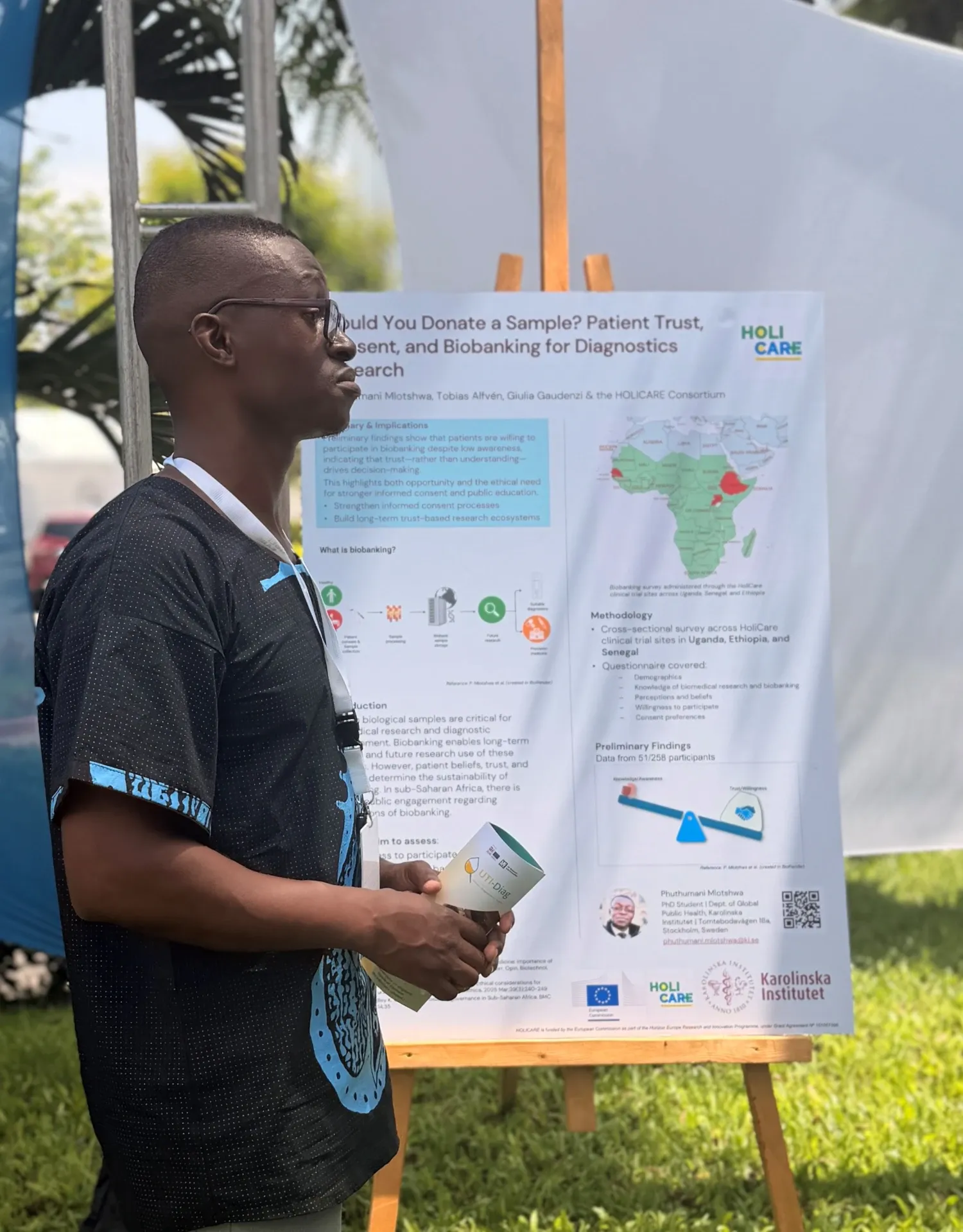
A dedicated Students & Innovation Day Capacity Building programme formed an important part of the conference. The day included keynote lectures, practical workshops, poster presentations, and networking opportunities for students and junior researchers, with the aim of strengthening local research capacity and supporting the next generation of scientists.
During the poster session, Phuthumani Mlotshwa presented his research on biobanking within the Holicare project to an international audience of researchers and project partners. The session provided a valuable platform for scientific exchange and discussion, while highlighting the important role of young researchers in driving future innovation in global health diagnostics.
Preparing for the next phase of UTI-Diag
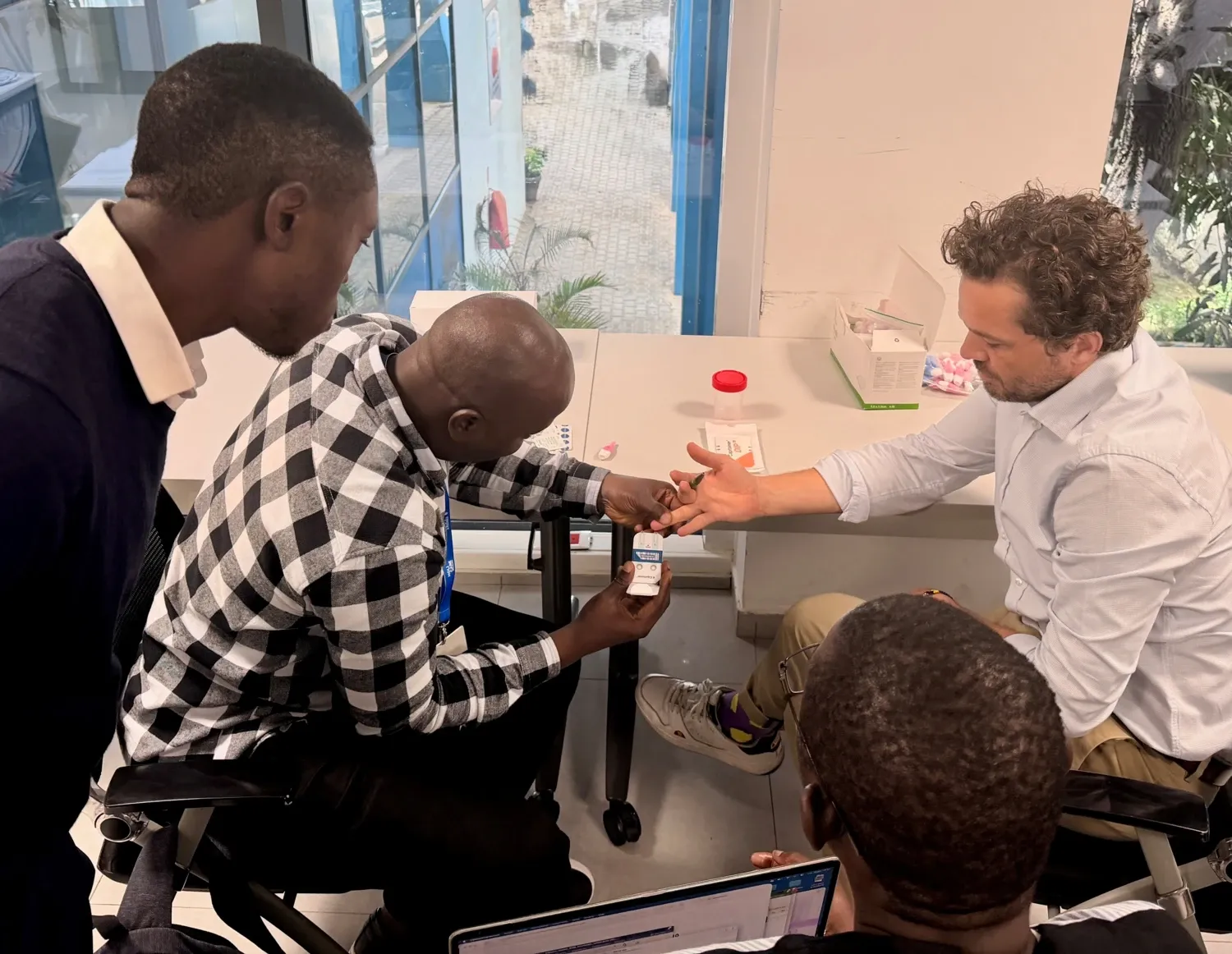
The conference provided a valuable platform for scientific exchange, consortium collaboration, and capacity building, strengthening international partnerships and advancing diagnostic innovation across Sub-Saharan Africa. The UTI-Diag annual consortium meeting was followed by two days of usability testing sessions focusing on the project's diagnostic tools and devices, including a train-the-trainer component aimed at preparing partners for future site training and clinical study implementation. The sessions enabled the collection of user feedback and helped ensure readiness for the next phase of the project.
Watch the national TV broadcast of the conference opening on YouTube
Infectious diseases: Dakar, a showcase for diagnostic innovation in Africa
Medical Diagnosis: African experts and decision-makers in conclave in Dakar.