

Hydrocortisone may reduce the risk of lung disease in extremely premature babies
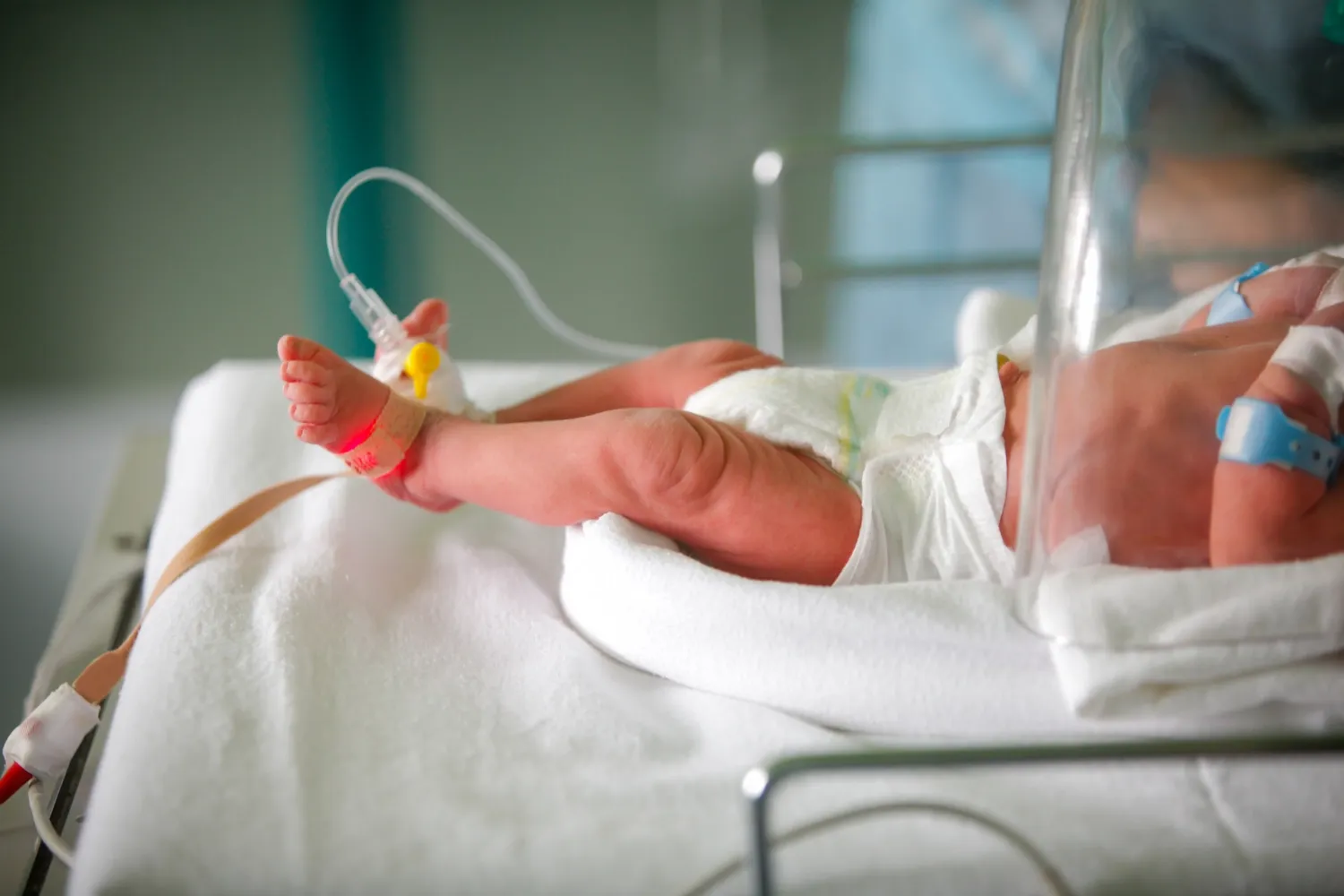
Early treatment with hydrocortisone may increase the chance that extremely premature babies will survive without the chronic lung disease bronchopulmonary dysplasia (BPD), according to a study by researchers at Linköping University and Karolinska Institutet published in JAMA Network Open.
Children born before 28 weeks of pregnancy are at high risk of developing BPD. The disease is caused by the lungs not being fully developed and can affect the children's health throughout their lives. Inflammation is an important cause of damage to the lung tissue. The hormone cortisone suppresses inflammation, but children born extremely prematurely cannot produce sufficient amounts of cortisone.
Treatment is given in some regions
Preventive treatment with hydrocortisone is used in several countries. In Sweden, some regions have in recent years introduced guidelines for treatment with hydrocortisone from the first day after birth, while other regions have chosen to refrain from it for fear of severe side effects.

"This has led to a kind of natural experiment in Sweden, where some extremely premature babies have been treated and others have not," says Ulrika Ådén, professor at the Department of Women's and Children's Health, Karolinska Institutet, and Linköping University, who led the study. "We took advantage of this in our study, where we have looked at how this treatment works in real-life care in Sweden. There are almost no such studies in the world today."
The study analysed data from the national neonatal registry. A total of 474 children treated with hydrocortisone and 632 children born before the treatment was introduced in certain regions were included. All children were born in gestational weeks 22–27 during the years 2018–2023.
Safe in the short term
The results show that early treatment increased the chance of survival without lung disease. The study also found that the treatment did not increase the risk of serious side effects during the neonatal period.

"Given that more than half of all extremely premature babies are affected by this lung disease, it could be valuable to have this treatment that can increase the chance of survival without the disease," says Veronica Smedbäck, a doctoral student at Linköping University and a physician. "Many countries are currently saving babies born extremely early, so there could potentially be a very large number of children affected."
The researchers are now planning to investigate possible long-term effects, especially with regard to brain development.
The study has been funded by, among others, the Joanna Cocozza Foundation for Pediatric Medical Research and ALF funds through Region Östergötland.
The news text is based on a press release from Linköping University.
Publication
"Early prophylactic hydrocortisone, broncopulmonary dysplasia, and survival in extremely preterm infants", Veronica Smedbäck, Lars Björklund, Anders Flisberg, Jolanta Wróblewska, Olivier Baud, Erik Wejryd, Ulrika Ådén. JAMA Network Open, online 19 February 2026, doi: 10.1001/jamanetworkopen.2025.60146.