

How the strength of a cellular guardian affects blood vessel growth
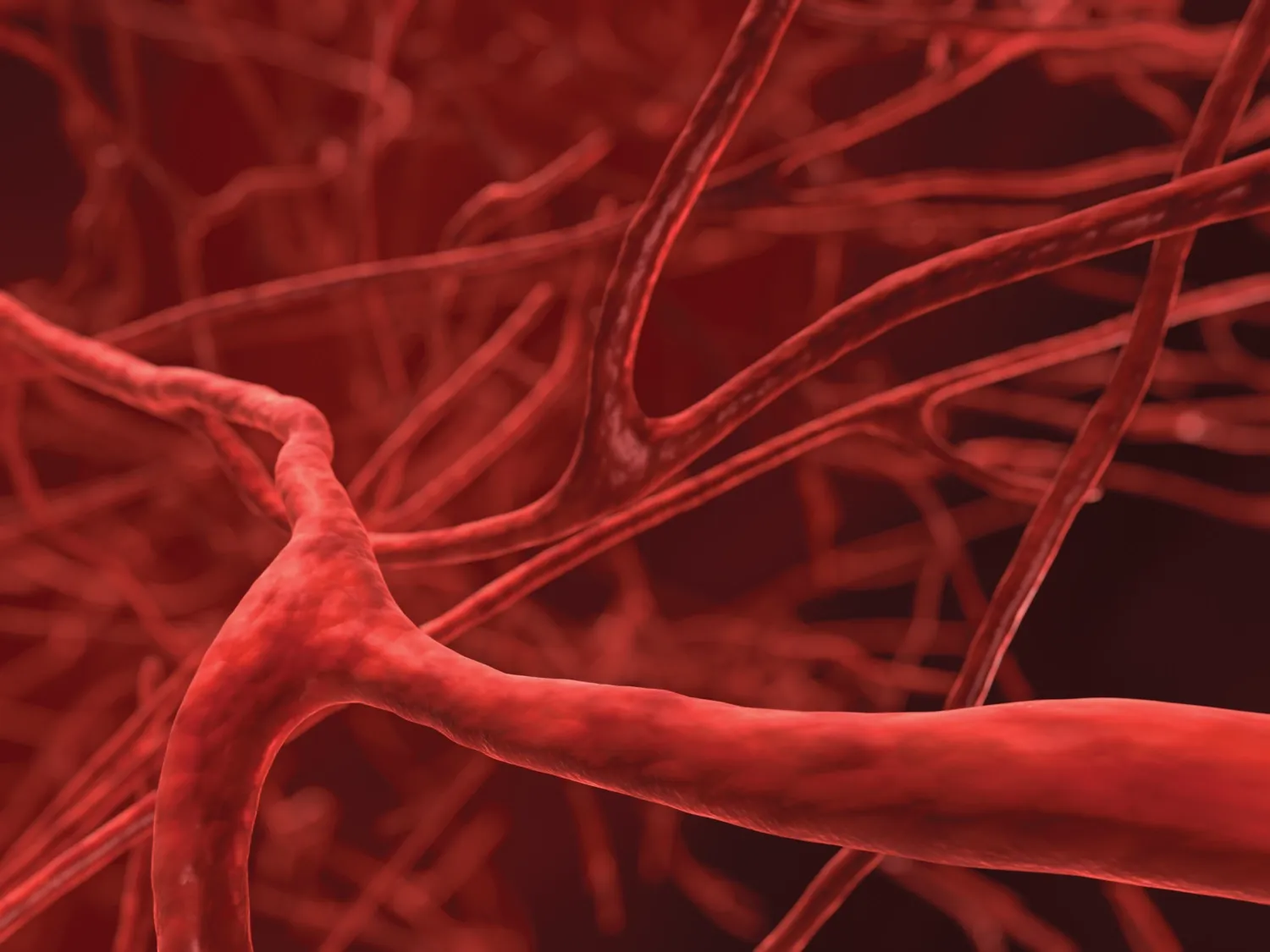
The protein p53, best known as the “guardian of the genome” for its role in preventing cancer, can affect blood vessels in different ways. However, it has not been clear how p53 can slow blood vessel growth in some cases and damage blood vessels in others.
Researchers at Karolinska Institutet have now found that when p53 is switched on, the strength of its response is key. By carefully increasing p53 levels using a new class of compounds and advanced imaging, the team studied how healthy blood vessel cells respond during the formation of new vessels.
New blood vessels form through a coordinated process in which specialized cells in the vessel wall divide, move, and assemble into new vessels. However, in cancer and in some eye diseases, vessel growth becomes uncontrolled and can worsen the disease.

“One of the most striking observations was how sensitive these blood vessel cells are even to very low p53 levels compared to other cell types,” says Pavitra Kannan, researcher at the Department of Microbiology, Tumor and Cell Biology, KI.
Lower levels of p53 cause these cells to temporarily stop dividing, but higher levels of p53 push these cells into permanent states where they can no longer divide or survive. These are fundamentally different cellular outcomes determined by how strong the p53 response is.
Despite these very different cellular responses, the researchers found that both low and high levels of p53 reduced blood vessel growth. The findings help illustrate how the same protein, when switched on to different levels, can produce different cellular outcomes in tissues.
The findings, published in Cell Death & Disease, may inform future efforts to target abnormal vessel growth in cancer and some eye diseases.