
High completion rates supported by an active educational development
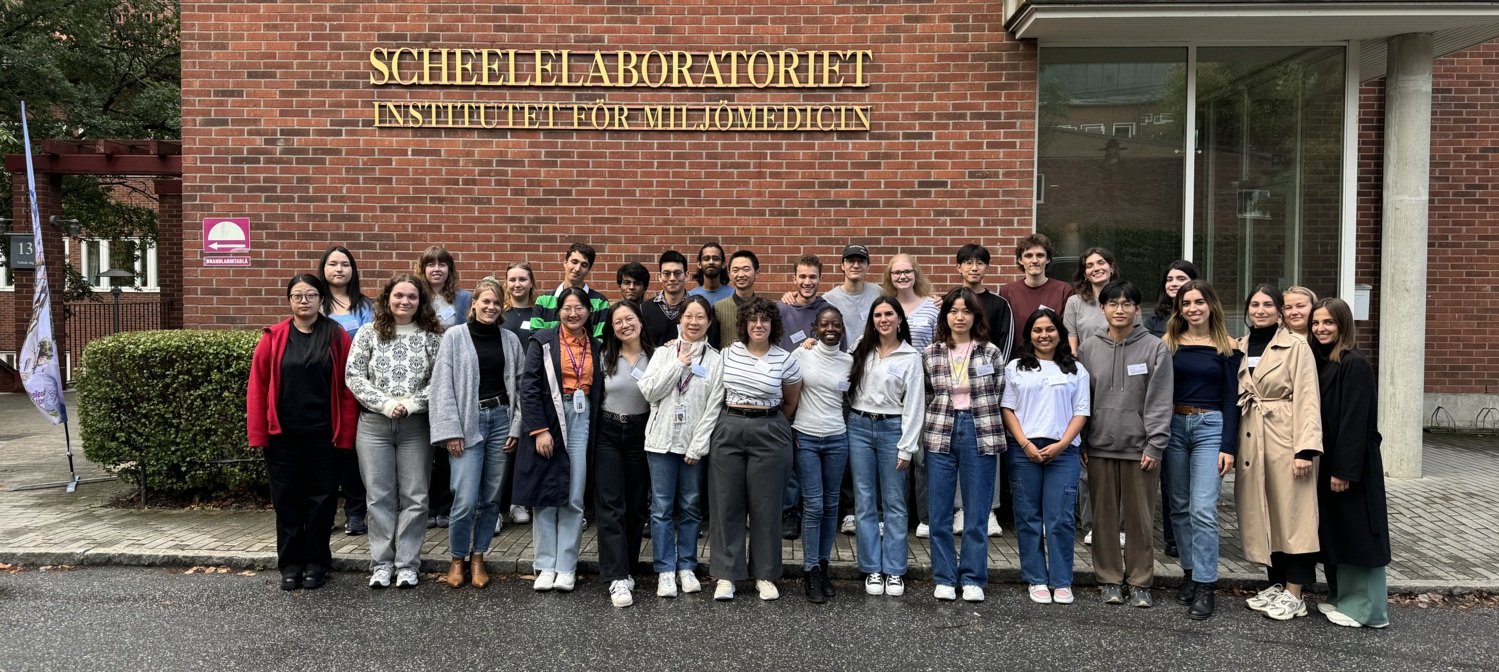
The Master’s Programme in Toxicology has consistently high and stable completion rates, with the highest proportion of students graduating among all programmes at KI. Teaching methods that promote student centred learning, together with a cohesive faculty team that works continuously on long term educational development, contribute to students successfully completing their studies.
On average, 98 percent of students in the the Master’s Programme in Toxicology complete their degree, according to the latest ten‑year summary. The high completion rate reflects several well‑established practices within the programme.
A key factor is that the teaching team works closely together, and many teachers are involved in multiple courses. This creates a clear through‑line throughout the programme and ensures that students quickly establish contact with teachers who understand the programme as a whole. It also makes it easier to identify when a student may need support and to implement tailored interventions early on.
The teaching is designed to ensure that students are active participants. Group work, laboratory exercises, problem‑based learning, and discussions are used extensively. These approaches help students learn to reason through complex issues, test ideas, and develop both subject knowledge and communication skills and strengthening their motivation throughout their studies.
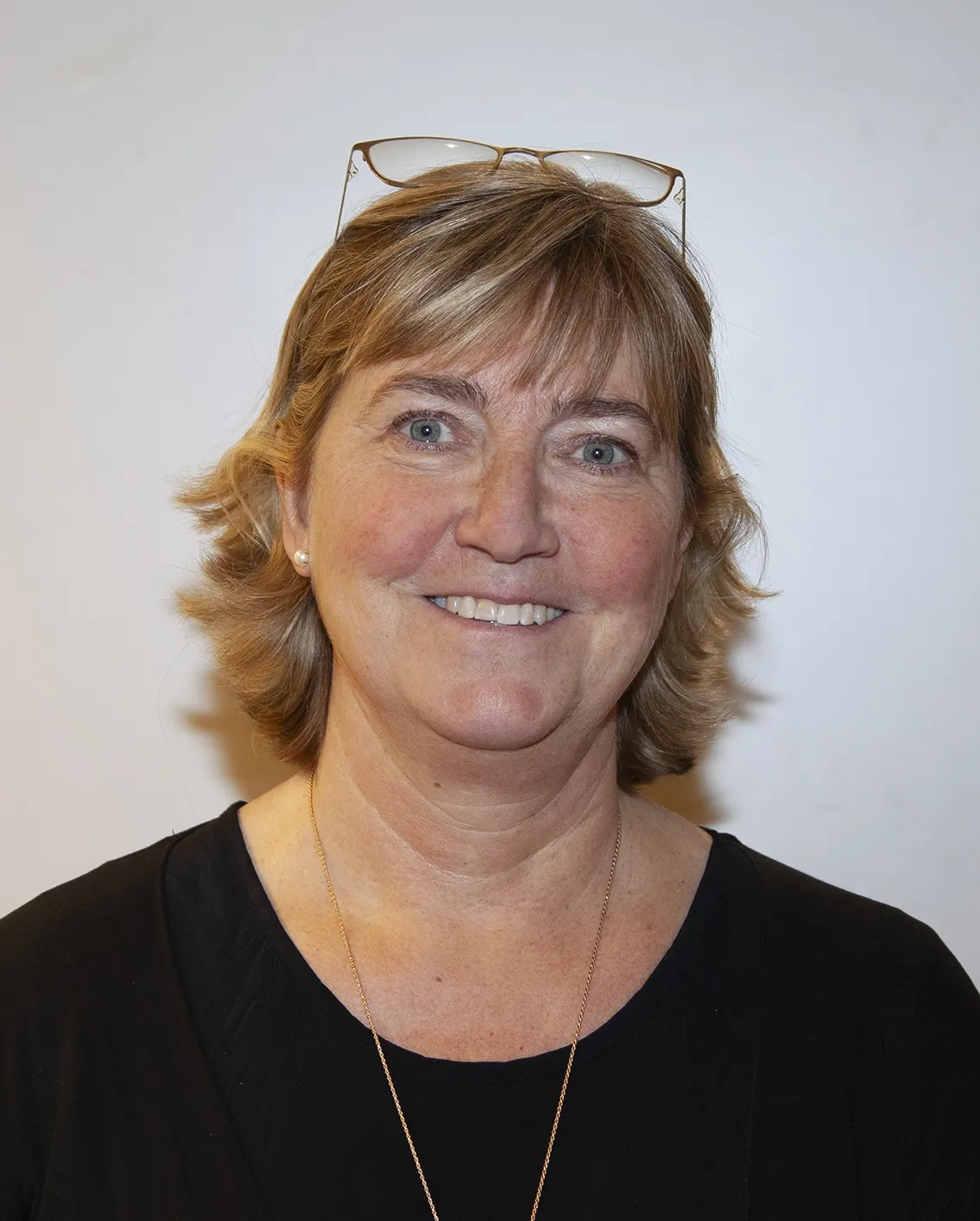
"We work to create a learning environment where students feel secure and engaged. When they see that the courses are connected and that their feedback is taken seriously, their commitment grows", says Annika Hanberg, Professor and Programme Director.
Long‑Term Development for the Future
The programme is continuously refined, and course syllabi are regularly reviewed. A more extensive development effort is currently underway in preparation for a new curriculum to be introduced in the autumn semester of 2026. This includes clarifying progression between courses and ensuring access to relevant learning environments, such as laboratories and external collaboration partners.
"We continuously work to ensure that the programme aligns with current research and developments in toxicology, and that it meets the needs of employers and society in various areas. By taking a long‑term approach, we can continue to offer a highly relevant education that provides students with strong conditions to complete their studies and prepare for future careers", says Annika Hanberg.
Through the combination of dedicated teachers, active learning, and systematic educational development, the programme provides an environment that supports students in reaching their goals—reflected in its consistently high completion rates.
The Master’s programme was one of the first educational programmes in toxicology in the world when it was launched in 1976. The programme is unique in its cohesive two‑year focus on toxicology and health risks. It is built on the close connection to high‑quality research and risk assessment at the Institute of Environmental Medicine (IMM), and collaborates with the pharmaceutical and chemical industries as well as national authorities.