
Five KI researchers receive ERC Starting Grants in 2026

Five researchers at Karolinska Institutet have been awarded the European Research Council (ERC) Starting Grant, one of Europe's most important research grants for researchers at the beginning of their careers. The grant is seen internationally as an acknowledgement of scientific excellence, originality and a promising future as a research group leader.
The ERC Starting Grant gives outstanding researchers the opportunity to develop groundbreaking ideas, build their own research groups and establish themselves as independent research leaders.
The funding can amount to EUR 1.5 million (approximately SEK 16.6 million) over five years, with the possibility of additional support for advanced research equipment, for example. The ERC is investing a total of EUR 705 million across diverse research fields, including physical sciences and engineering, life sciences, and social sciences and humanities.
Record interest this year
The competition in this year's call was tougher than ever before. A total of 4,807 applications were received from researchers across Europe, an increase of 22 per cent compared to the previous year. Only 421 projects were granted funding, which corresponds to a success rate of 8.8 per cent.
Of the 421 projects, 22 are linked to Swedish higher education institutions and research institutions. Five of these are run by researchers at Karolinska Institutet. Three of the five are researchers at the Department of Medical Biochemistry and Biophysics.
Recipients at KI
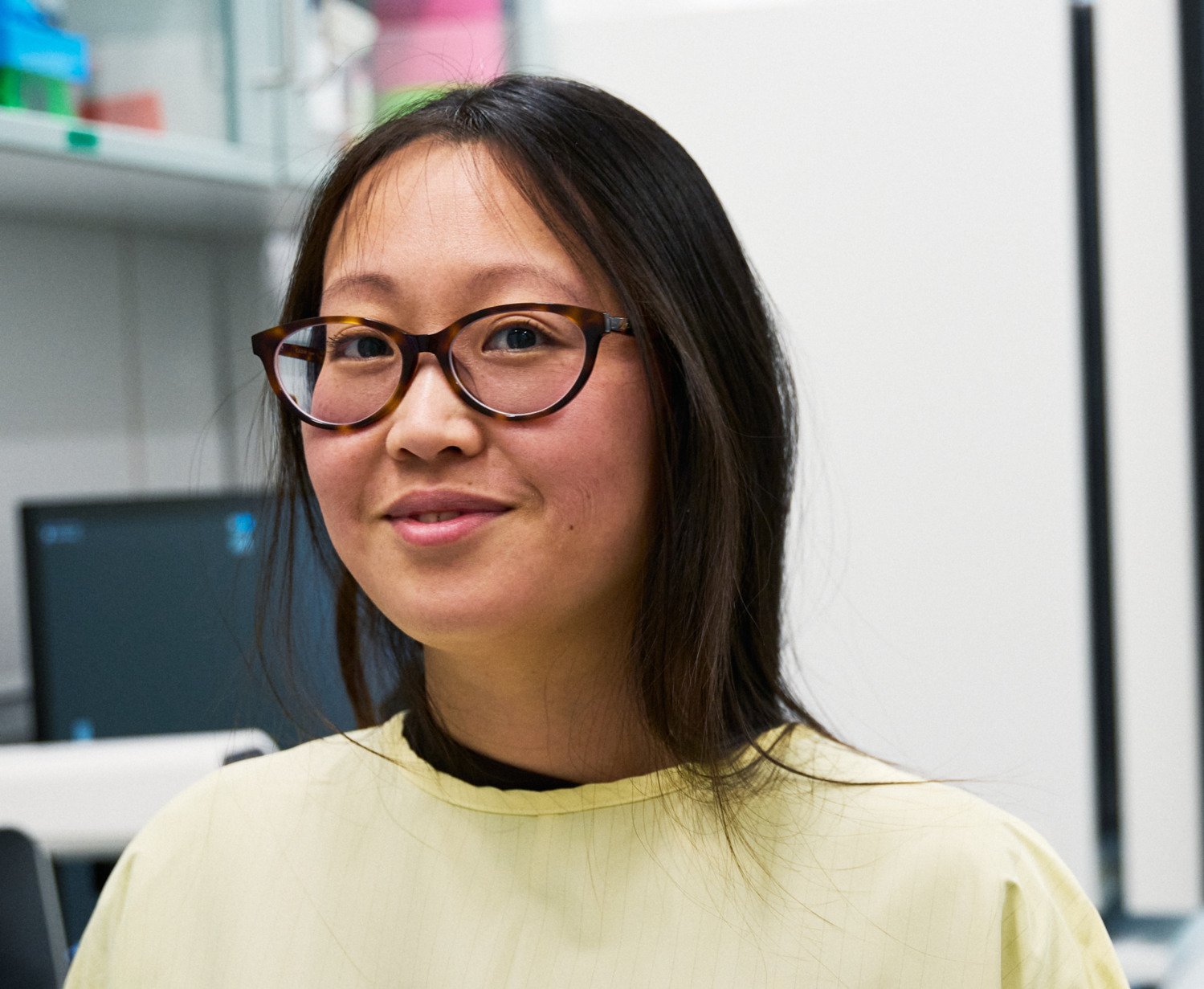
Amanda Andersson Rolf, assistant professor at the Department of Medical Biochemistry and Biophysics
Project title: "Cell identity, across foetal pancreas development and adult regeneration" (PanID)

Sara Arroyo Mühr, assistant professor at the Department of Clinical Science, Intervention and Technology
Project title: “Cervical Cancers Escaping HPV Screening: Decoding HPV-Independent Carcinogenesis through Multi-Omics Profiling” (ESCAPE-HPV)
Short project summary: Most cervical cancers can be prevented through HPV vaccination and screening, but a small number of women develop the disease despite repeatedly testing negative for HPV. Scientists do not yet know why this happens or whether some cervical cancers can develop without the virus.
In ESCAPE-HPV, researchers will study cervical tumours from several Nordic countries by analysing their DNA and gene activity. The goal is to understand how these rare cancers develop and to identify biological markers that could help detect and investigate HPV-negative cervical cancers in the future.

Bjørt Kragesteen, assistant professor at the Department of Medical Biochemistry and Biophysics
Project title: “Deciphering the gene regulation of oxygen homeostasis and human fitness” (ErythrO2Reg)
Short project summary: Oxygen is vital for the body to function. However, it is still not entirely clear how our cells detect and adapt to low oxygen levels. This research project is studying specific kidney cells, known as NORN cells, which produce the hormone EPO. EPO regulates the production of red blood cells, which transport oxygen around the body.
The researchers are developing advanced models of mice and human kidneys to investigate how the body regulates oxygen levels. They are also studying genetic adaptations in cell models people of Tibetan origin, who have lived in and genetically adapted to oxygen-deprived high-altitude environments for thousands of years.
The aim is to understand how the body and our genomes cope with fluctuating oxygen environments and to generate new knowledge that may, in the future, develop new therapeutic targets to restore homeostasis in hypoxia-related diseases.
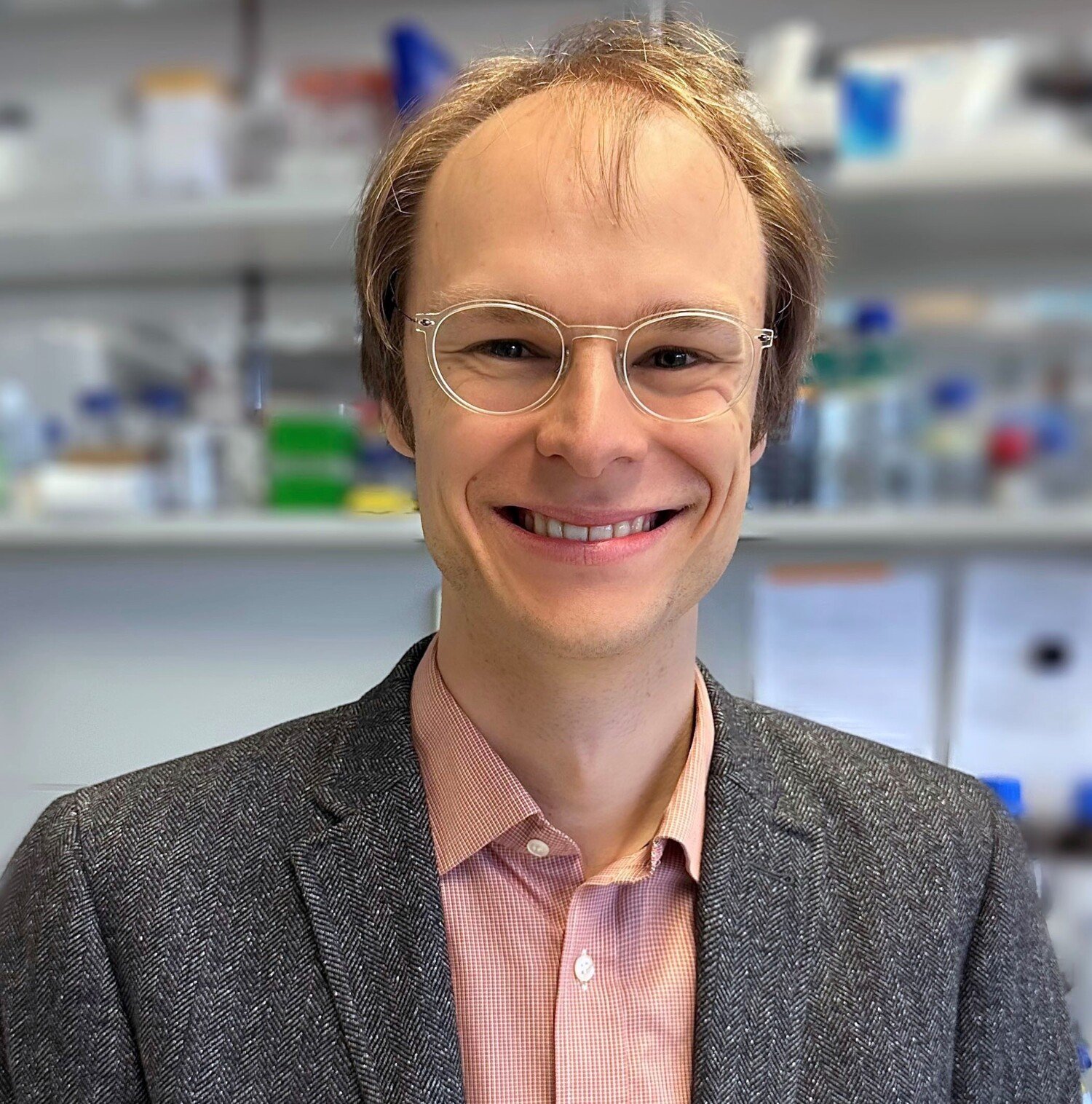
Florian Rosenberger, assistant professor at the Department of Medical Biochemistry and Biophysics
Project title: “Reconstructing temporal trajectories of cellular adaptation and failure in mitochondrial disease” (MITOSPACE)
Short project summary: Mitochondria are the tiny structures inside our cells that produce most of the energy our bodies need. When they stop working properly, they can cause serious diseases. However, mitochondrial diseases are puzzling: the same genetic mutation can affect different organs in different people, and symptoms may appear in childhood or only much later in life.
The ERC-funded project MITOSPACE will investigate why some cells and organs are more vulnerable than others. This will be done with a new technology called SPACE, which can measure thousands of proteins in individual cells while showing exactly where those cells were located in a tissue.
Mitochondria have their own DNA, and neighbouring cells can contain different amounts of damaged mitochondrial DNA. By studying these differences, the researchers can track how disease develops over time. The goal is to understand why some cells stay healthy while others fail, and to help pave the way for more effective treatments in the future.

Shuyang Yao, assistant professor at the Department of Medical Epidemiology and Biostatistics
Project title: “Cannabis Neurobiology And Schizophrenia Risk in Youth: a multi-omics translation” (CANARY)
Short project summary: Schizophrenia is a serious mental health disorder that often develops in the late teenage years or early adulthood. Cannabis use has been linked to an increased risk of schizophrenia, but scientists still do not fully understand why.
The ERC-funded project CANARY investigates how THC, the main psychoactive substance in cannabis, affects the developing brain. By combining studies in mice with human genetic and molecular data, researchers will explore how THC exposure may influence biological processes linked to schizophrenia.
The goal is to identify the molecular pathways that may help explain the link. CANARY will also use these insights to identify existing medicines that could target these pathways and test promising candidates in the unique Nordic register data, potentially opening new opportunities for prevention and treatment.