

Lectures and seminars Lecture: Utilising tethered biosensors to uncover intracellular redox heterogeneity
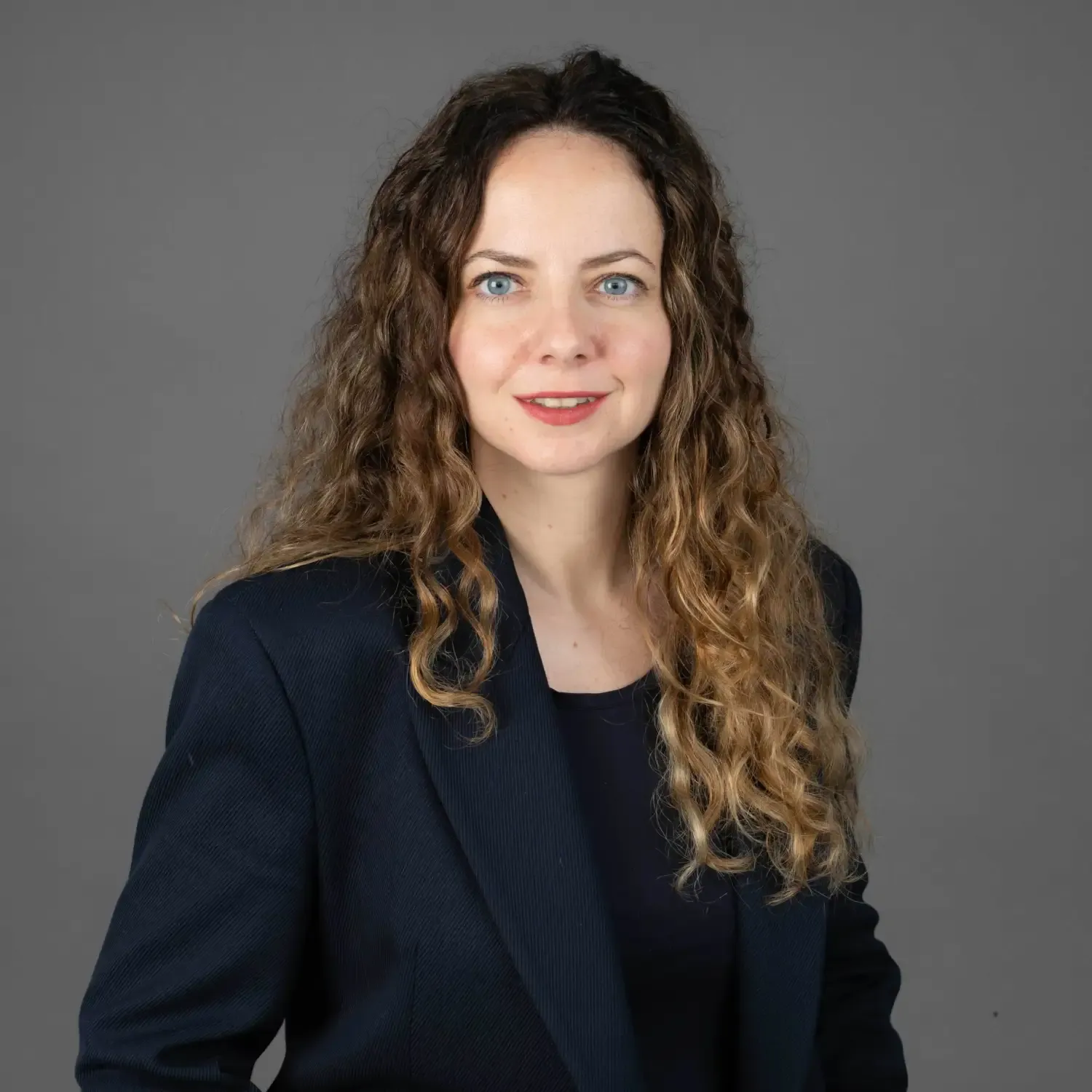
In connection with PhD student Karoline Scholzen’s dissertation, we invite you to an open lecture by the opponent, Dr. Paraskevi Kritsiligkou, Tenure Track Fellow from the Department of Biochemistry, Cell and Systems Biology at the University of Liverpool.
About the talk
Genetically encoded fluorescent biosensors have transformed the field of redox biology, offering valuable insights into the dynamics of glutathione and hydrogen peroxide, as well as uncovering novel regulatory components of intracellular pathways. By directing these probes to specific cellular compartments, such as mitochondria, researchers have gained a deeper understanding of cross-organellar communication and redox signalling pathways. However, since redox signalling likely depends on spatial proximity, conventional freely diffusible probes perhaps fail to capture highly localized oxidation events. To address this limitation, we developed tethered biosensors by fusing genetically encoded redox probes to the C- terminus of every open reading frame in S. cerevisiae. This innovative approach enables the monitoring of redox dynamics in the immediate vicinity of individual proteins. By subjecting our biosensor libraries to growth on varying metabolic and stress conditions, we demonstrated the existence of redox heterogeneity even within a membrane bound compartment-an effect that is specific to the protein to which the probe is attached to.
About the speaker
Dr Paraskevi (Pari) Kritsiligkou obtained her degree in Biology from the University of Crete, working with Kostas Tokatlidis on the oxidative protein folding machinery in mitochondria. For her masters, she studied Biochemistry at the University of Oxford, working with Stuart Ferguson and Christina Redfield on the disulfide bond formation system in bacteria. She joined the Wellcome Trust-funded PhD program “The Dynamics of Cellular Pathways” at the University of Manchester, where she explored redox signalling cascades using tadpoles, cell lines and yeast as model organisms. During her PhD thesis with Chris Grant, Pari studied the role of redox regulation in organelle homeostasis. Her passion to uncover novel redox regulated cascades led her to the lab of Tobias Dick at the German Cancer Research Center in Heidelberg where she developed tethered biosensor platforms that reveal the extent of intracellular redox heterogeneity. In September 2024 Pari joined the Department of Biochemistry, Cell and Systems Biology at the University of Liverpool as a Tenure Track Fellow. In her lab, Pari continues to explore the impact of intracellular redox microenvironment in pathophysiology, with a strong focus on redox events in the nucleus, using biosensors, chemical genetic tools and omics methodologies, and fungal pathogenic species as model organisms.