
Internal meeting Department of Neuroscience's retreat 2026
22-09-2026 1:00 pm Add to iCal
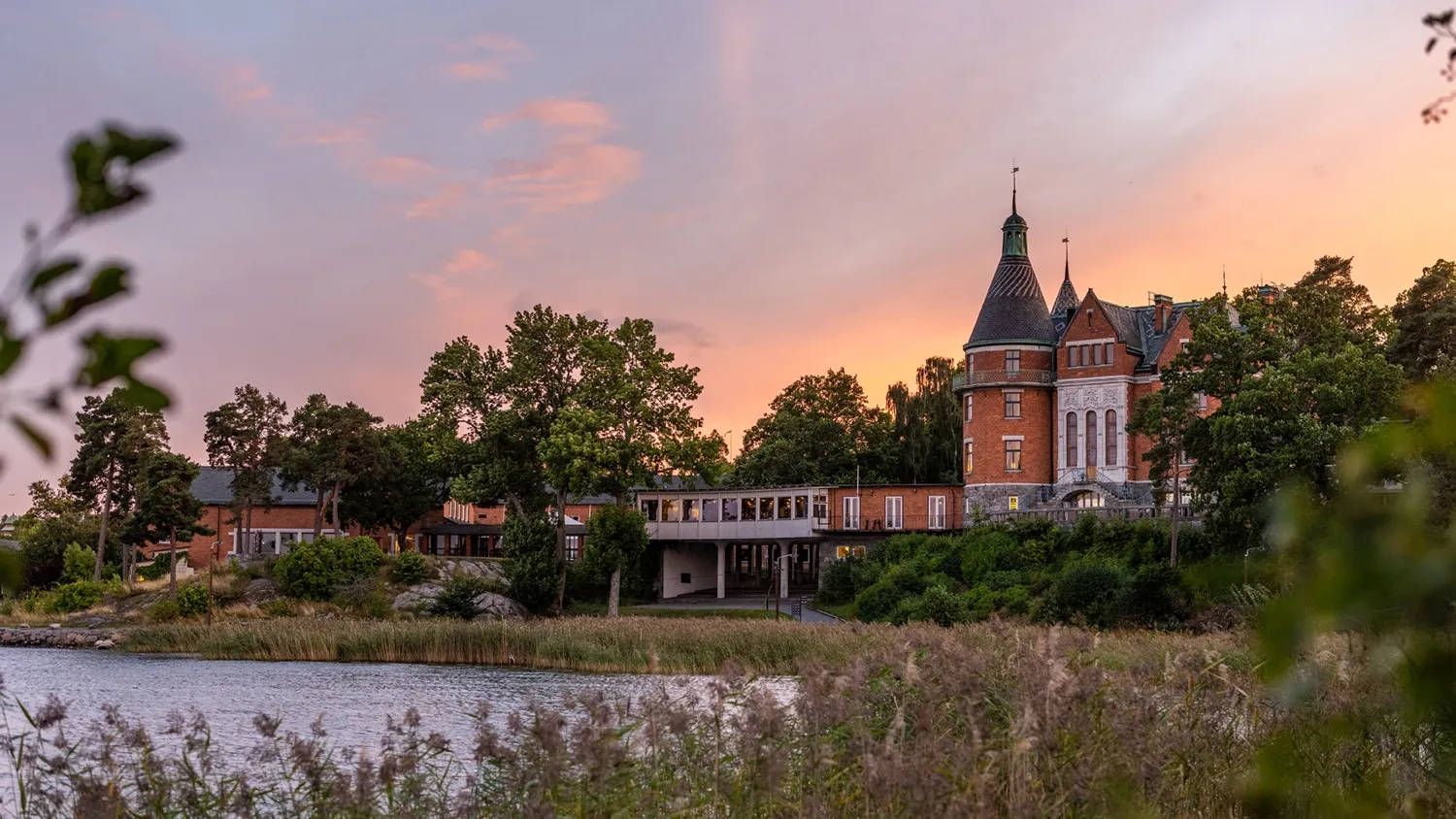
Welcome to NEURO's departmental retreat 2026! The year's retreat will focus on team building, scientific exchange, and strengthening interactions across the department. We hope to see you all on 21-22 September, at Vår Gård in Saltsjöbaden.
We hope these two days will be a chance to connect with colleagues, share ideas and experiences, learn from one another, and enjoy some time together as a department.
As part of the retreat, we will have a Small-Group Discussion Session on Monday afternoon (14:45–17:00).
The aim of the session is to provide an informal opportunity to get to know colleagues across the department, exchange knowledge and experiences, and discover shared interests, expertise, resources, and potential opportunities for collaboration.
Participants will be divided into small, mixed groups of PIs, postdocs, PhD students, research staff, and administrative staff. We will have several short discussion rounds, giving everyone the opportunity to interact with different colleagues.
To prepare, we ask each participant to bring two questions or topics they would find useful to discuss with colleagues. These could relate to science, methods, expertise or resources available within the department, career development, administrative matters, or ideas and opportunities for collaboration.
The questions do not need to be formal or prepared in detail. They are simply intended as starting points for open discussion and to encourage exchanges that might not normally happen in our day-to-day work.
At the end of each discussion round, a representative from each group will briefly share with the rest of the room the main points or ideas that emerged.
Programme
Meet up at KI
Bus departure
Coffee
Welcome & Introduction by Prefect Marie Carlén
Session 1 – Keynote lecture
Patrik Ernfors: "Pain pathways: from single cells to integrated Circuits"
Session 2 – Scientific Talks
"Basal ganglia circuits for sensorimotor functions"
Project Blitzes 1
Labs:
- Carlen
- Meletis
- El Manira
- Silberberg
- Ampatzis
- Fisone
- Furlan
- Ketzef
- Santini
- Picton
Coffee break
"Dopamine circuits"
Project Blitzes 2
Labs:
- Lopez
- Iovino
- Lallemend
- Hadjab
- Ehrsson
- Klingberg
- Richter Dahlfors
- Carmine Belin
- Stagkourakis
- Mulder
Lunch
Session 3 – Scientific Talks
"Cellular diversity of the hypothalamus"
"Molecular mechanisms for chronic pain: implications for therapies"
Small-Group Discussions (including coffee break)
An informal, interactive session to get to know colleagues, exchange knowledge and experiences, and identify shared interests, expertise, resources, and opportunities for collaboration.
Participants will meet in small, mixed groups for several short discussion rounds.
Mingle and check-i to rooms
Dinner (optional dress code: Superhero theme)
Breakfast
Session 5 – "From Discovery to Societal Impact" (15 + 5 minutes/speaker)
How can we help the knowledge generated by our research travel further and ultimately benefit others? This session explores routes from scientific discovery to societal impact, including clinical translation, technology development, drug discovery, innovation, and commercialization.
Central question: We have generated new knowledge - what could we do next to increase its impact?
- Karin Agerman – KI Innovation Team: "From Research to Impact - Recognizing and Developing Innovation Opportunities"
- Research idea -> IP, funding, partnerships, implementation and commercialisation
- Per I. Arvidsson – Drug Discovery & Development Platform, SciLifeLab: "SciLifeLab DDD – Helping Researchers Turn Academic Discoveries into Innovations"
- Biological discovery -> target validation -> early drug development
- Stefan Spulber, Sandra Ceccatelli: "From Activity Monitoring to Actionable Information: Integrating Data Science and Biology for Clinical Decision Support"
- Biological research -> patient data -> predictive biomarkers -> personalised intervention
- Petra Szeszula – BrainZell, KI Alumna: "The Brain Organoid Journey - from KI Neuroscience to Pharma Drug Discovery"
- Stem-cell neuroscience -> human brain organoids -> scalable screening + AI -> drug discovery
- Agneta Richter-Dahlfors – AIMES: "Level up your academic career by innovation and outreach"
Session 6 – Perspectives
Torkel Klingberg: "Why Learn? The Meaning of Human Knowledge in the Age of AI"
Based on the recent book Varför lära - meningen med mänsklig kunskap i AI-tider, written with Åsa Wikforss.